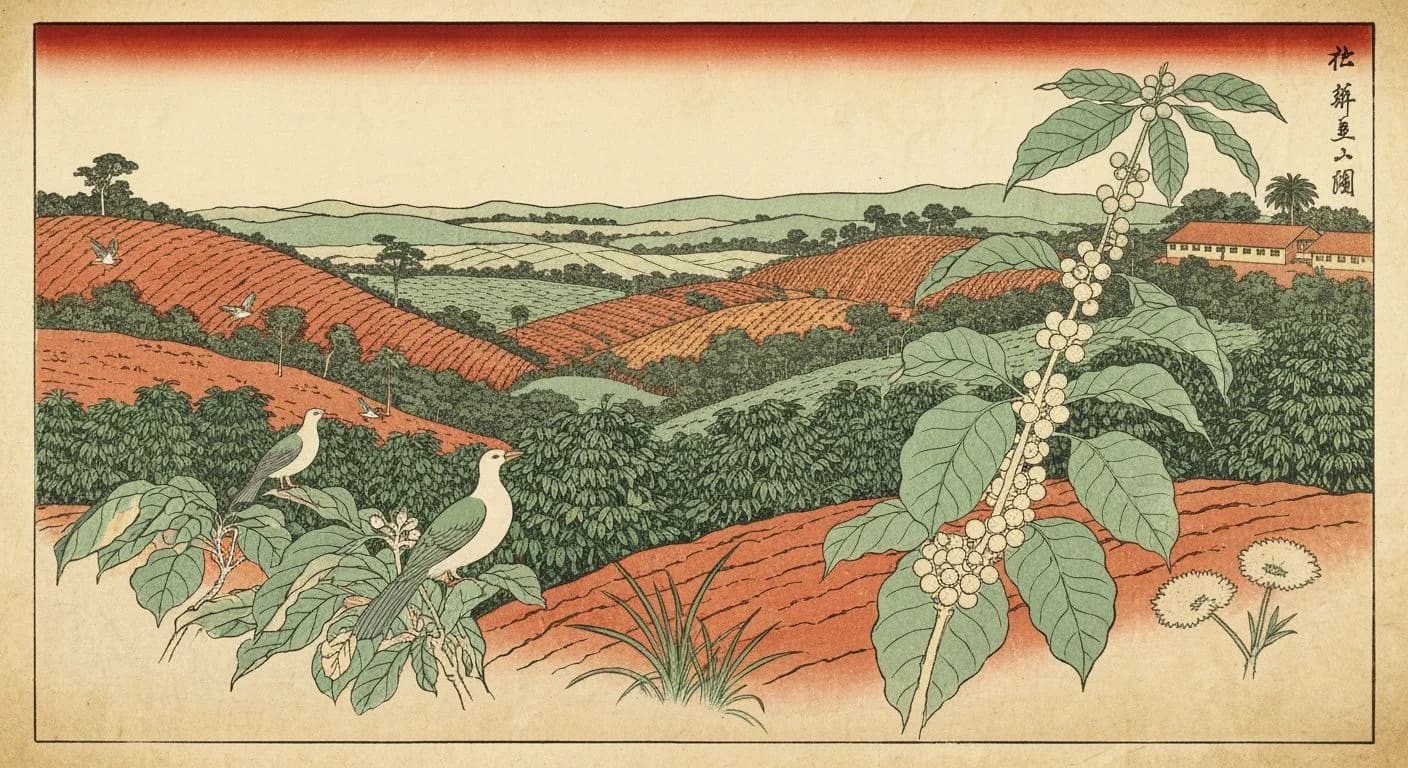
Brazil Cerrado
Brazil's largest specialty region. Cerrado coffees are the backbone of many espresso blends worldwide, offering low acidity, heavy body, and reliable nutty-chocolate profiles.
Flavor Notes
Processing Methods
Coffee Heritage
Brazil has been the world's largest coffee producer for over 150 years, and the Cerrado Mineiro region in Minas Gerais state is its most important specialty area. Coffee arrived in Brazil in 1727 and quickly transformed the economy. The Cerrado region, once considered too dry and flat for quality coffee, was pioneered in the 1970s when new irrigation techniques proved the savanna could produce exceptional beans. In 2013, Cerrado Mineiro became the first non-European product to receive a Denomination of Origin certification.
Growing Conditions
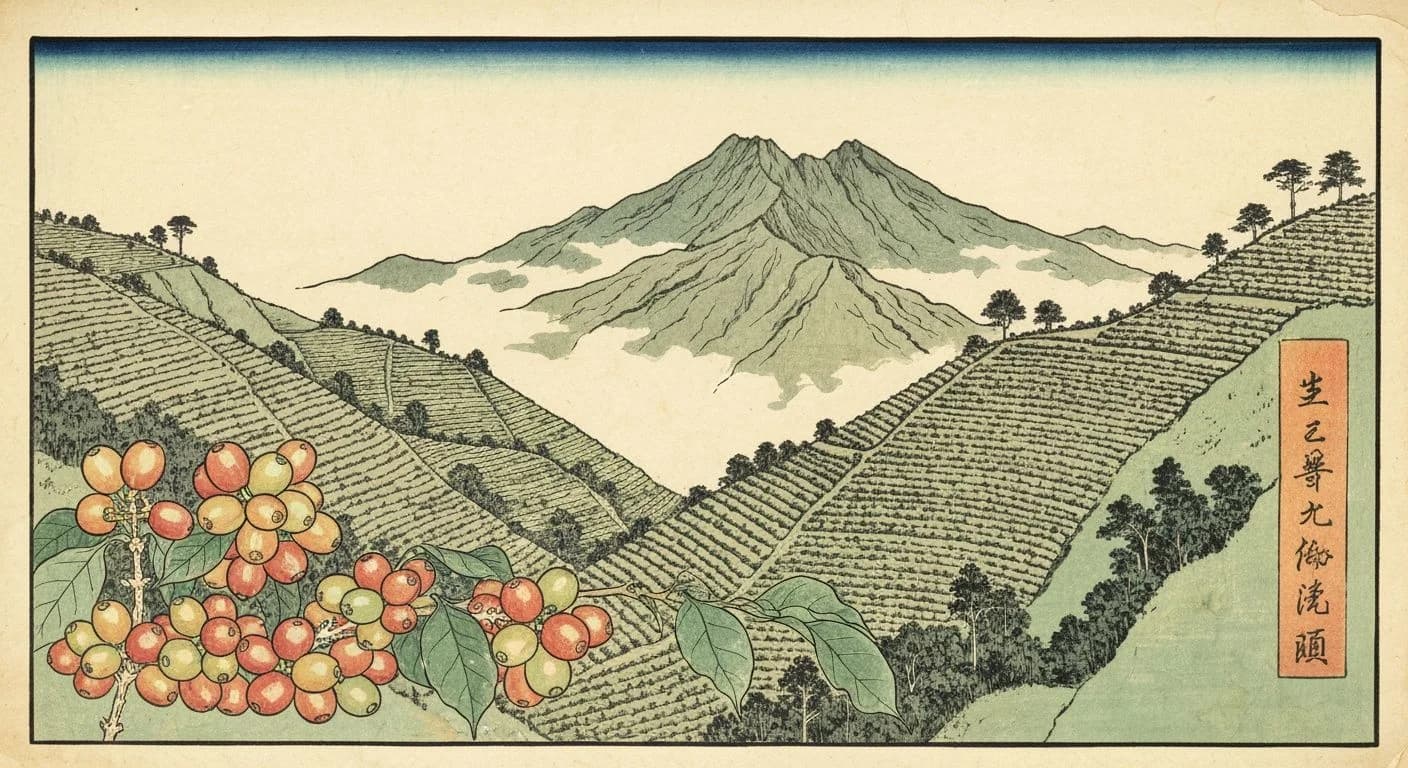
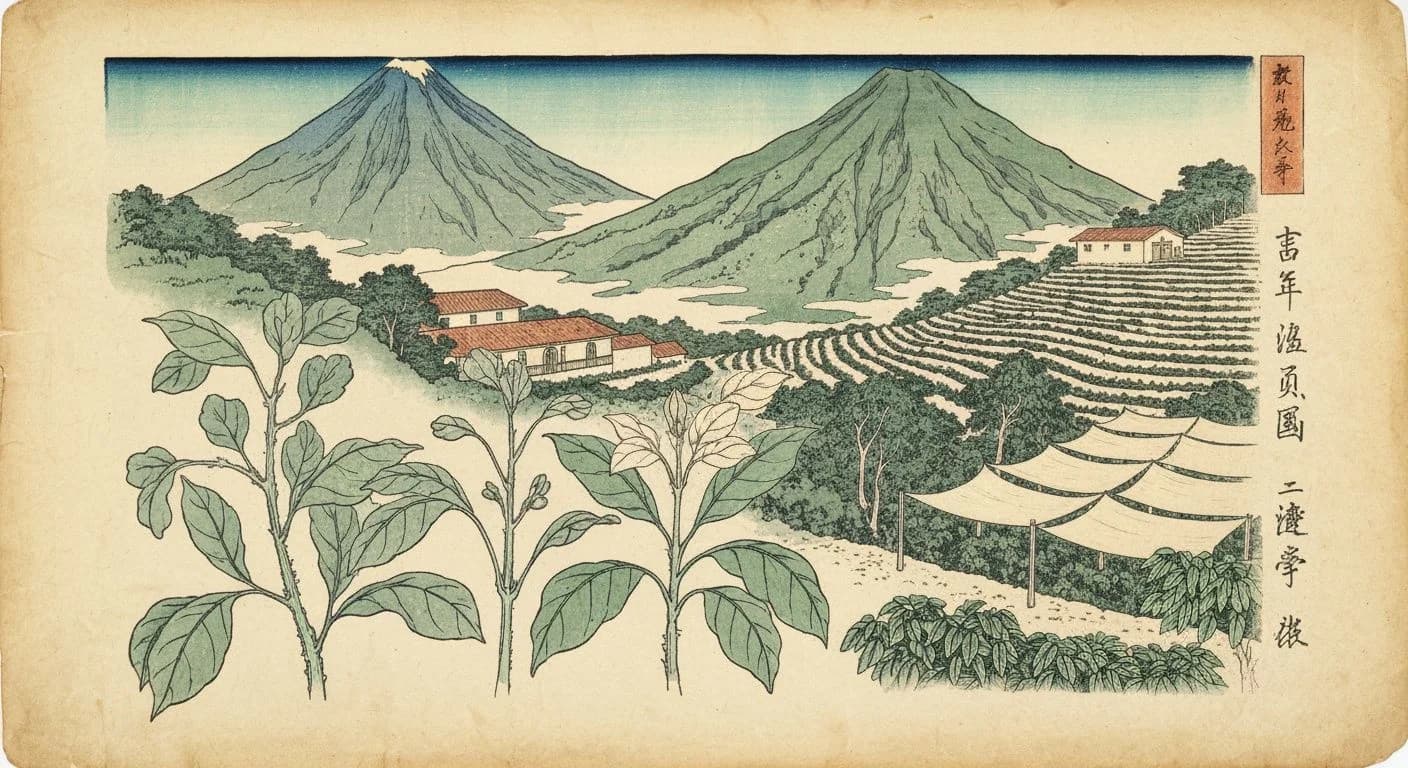
The Cerrado sits at 800 to 1,200 meters on a flat, expansive plateau. Unlike most specialty regions, the terrain allows large-scale mechanized farming. A distinct dry season from May to September forces uniform cherry ripening, which is ideal for consistency. The deep, well-drained oxisol soils and 1,500 mm of annual rainfall concentrated in the wet season create a natural on-off cycle that benefits cherry development.
Processing Traditions
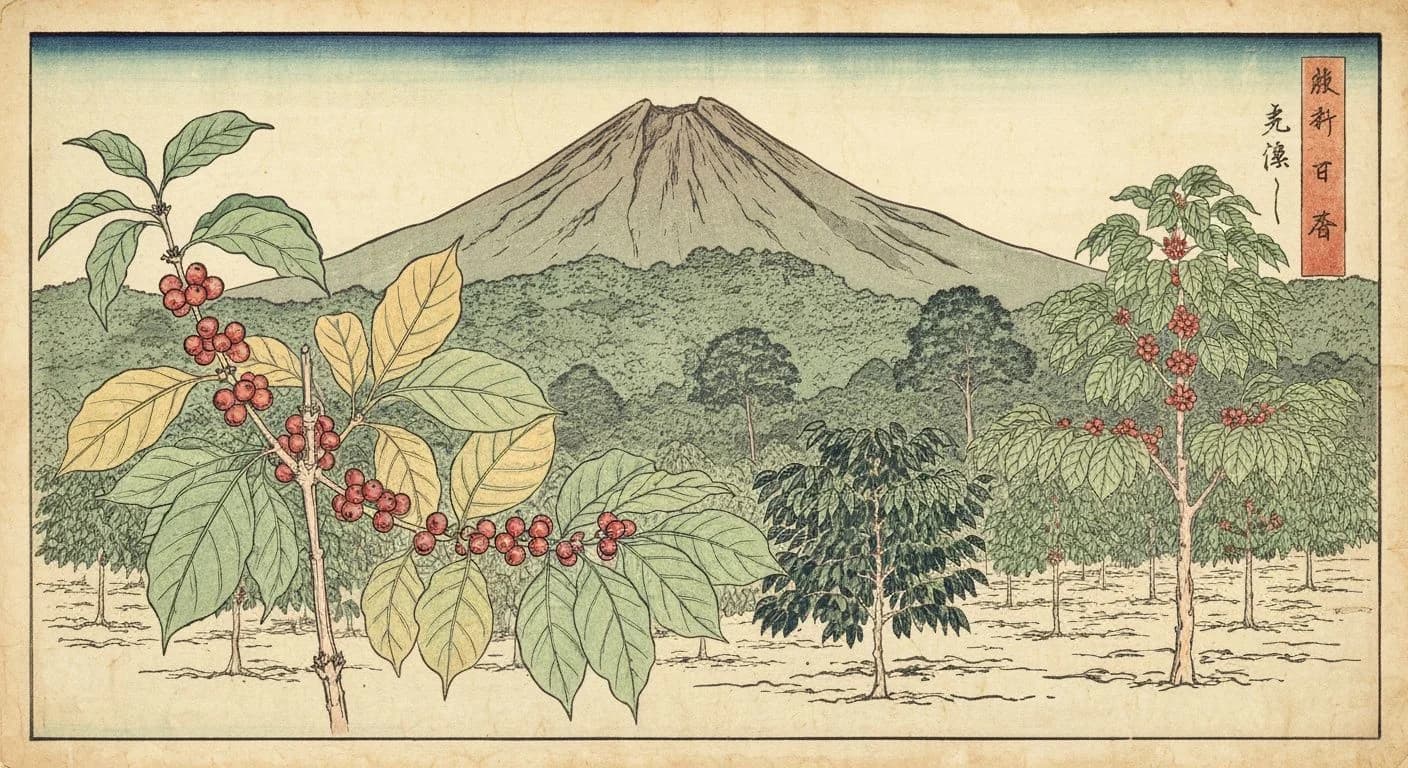
Natural (dry) processing is the dominant method, leveraging the region's reliable dry season to sun-dry whole cherries on raised beds or concrete patios. Pulped natural processing, a Brazilian innovation, is also widely used and strips the skin while leaving mucilage intact during drying. Washed lots exist but are less common.
Flavor Character
- Heavy body with a syrupy, velvety mouthfeel
- Dominant chocolate and roasted nut flavors
- Sweet caramel and brown sugar notes
- Very low acidity, making it ideal for espresso
- Clean finish with occasional hints of dried fruit
What Makes It Special
Cerrado is the backbone of global espresso blending. Its low acidity and heavy body provide the base that roasters rely on for consistent, crowd-pleasing espresso. The mechanized farms also make it one of the most cost-efficient specialty regions, bringing quality coffee to a wider audience.
Did you know?
Brazil produces roughly one-third of the world's entire coffee supply. The Cerrado Mineiro region alone would rank as a top-20 coffee-producing country if measured independently.