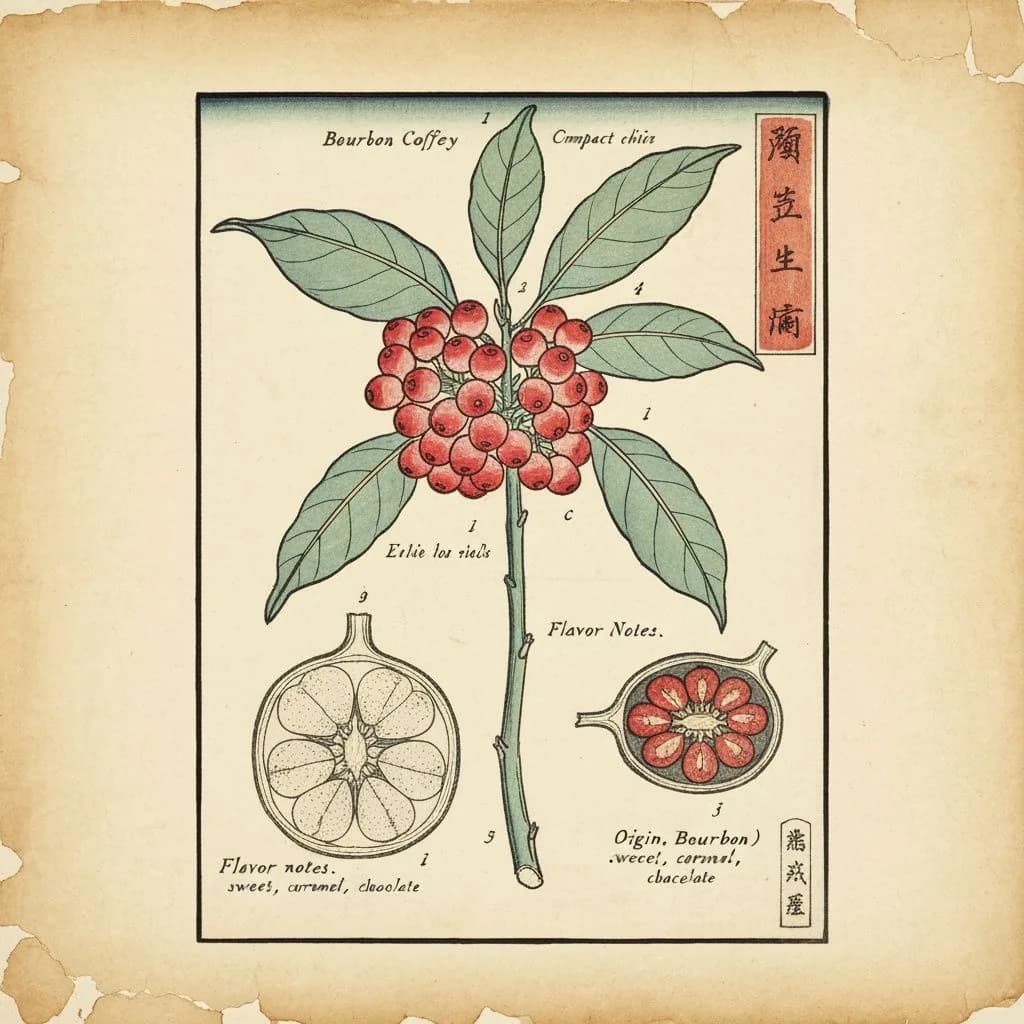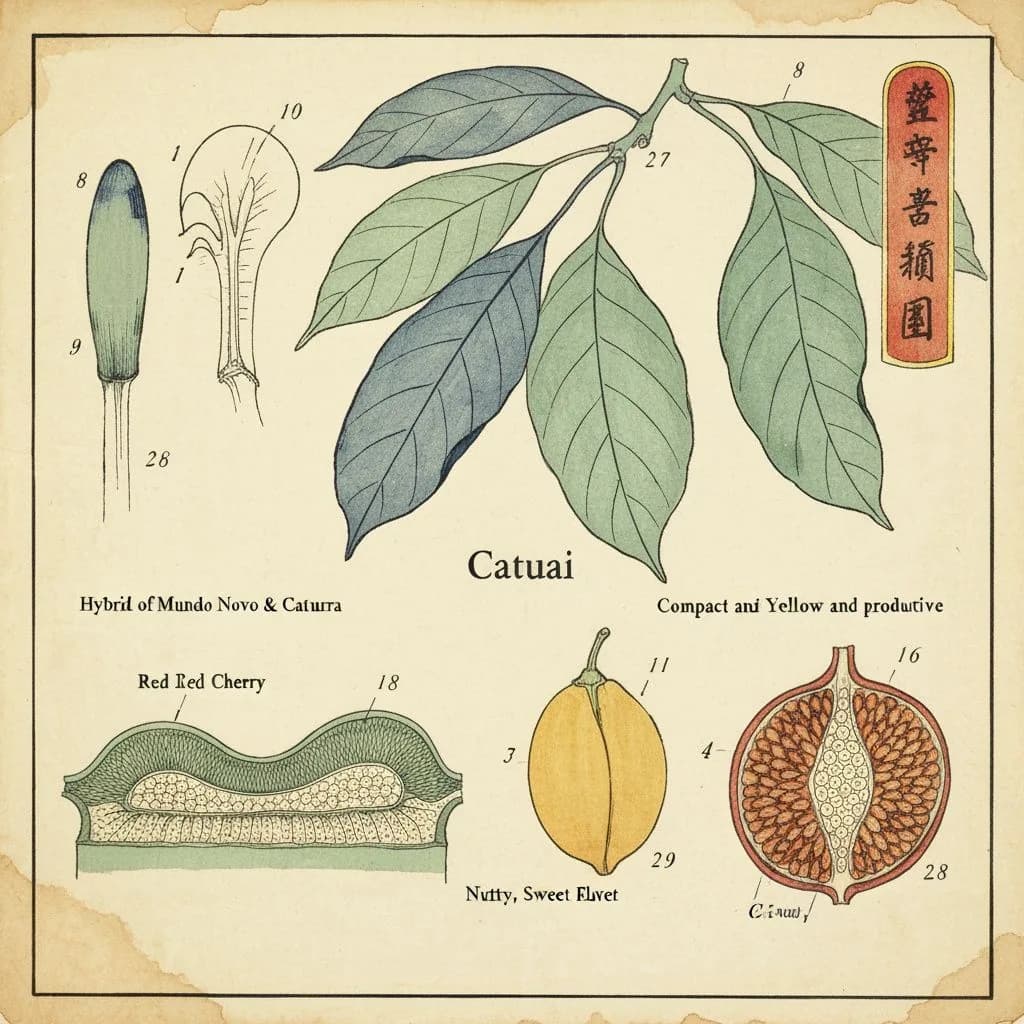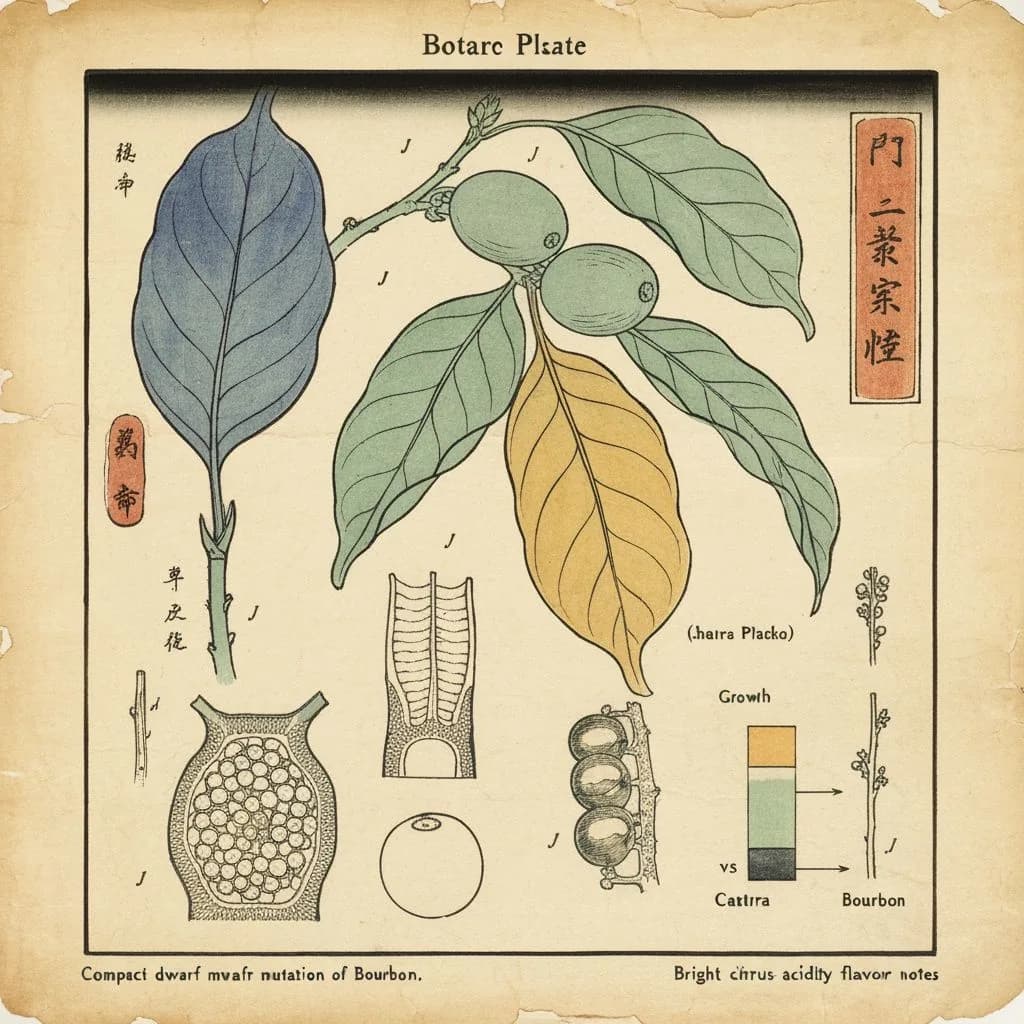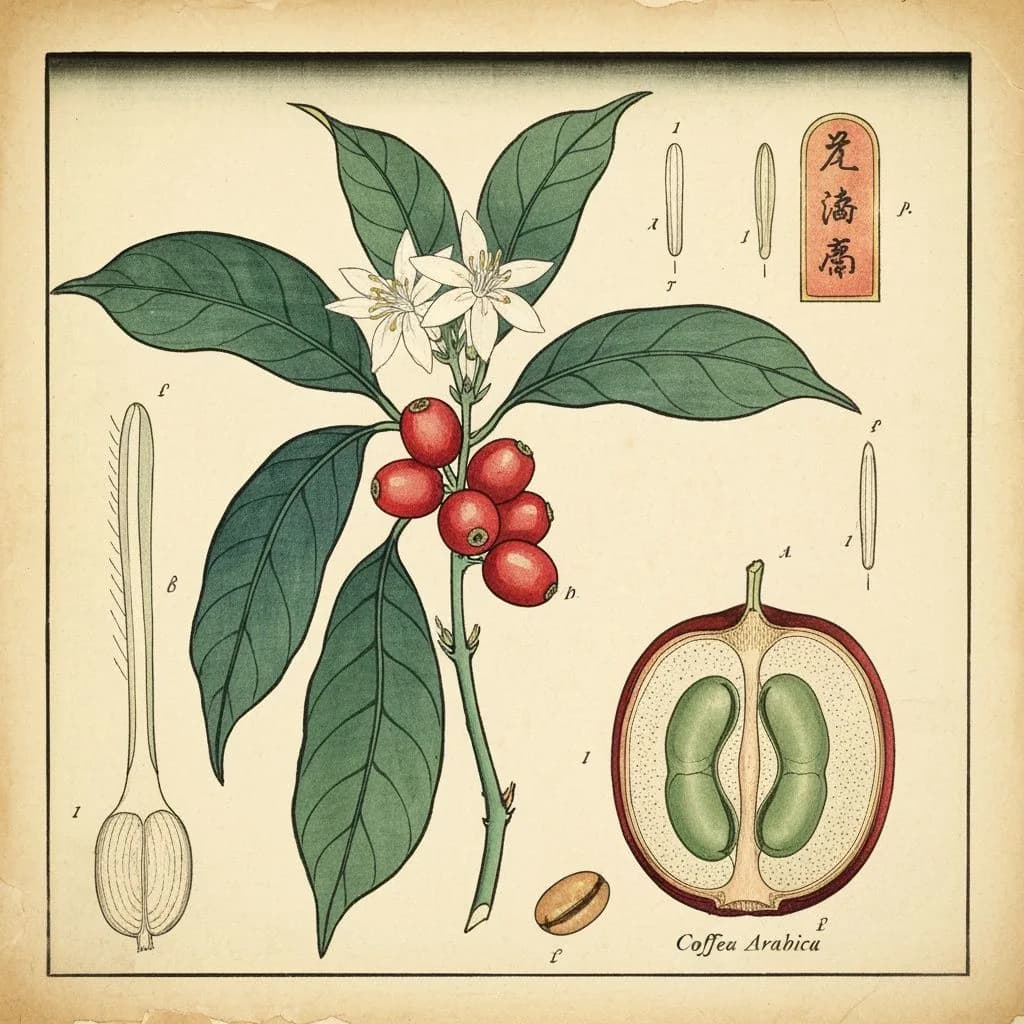
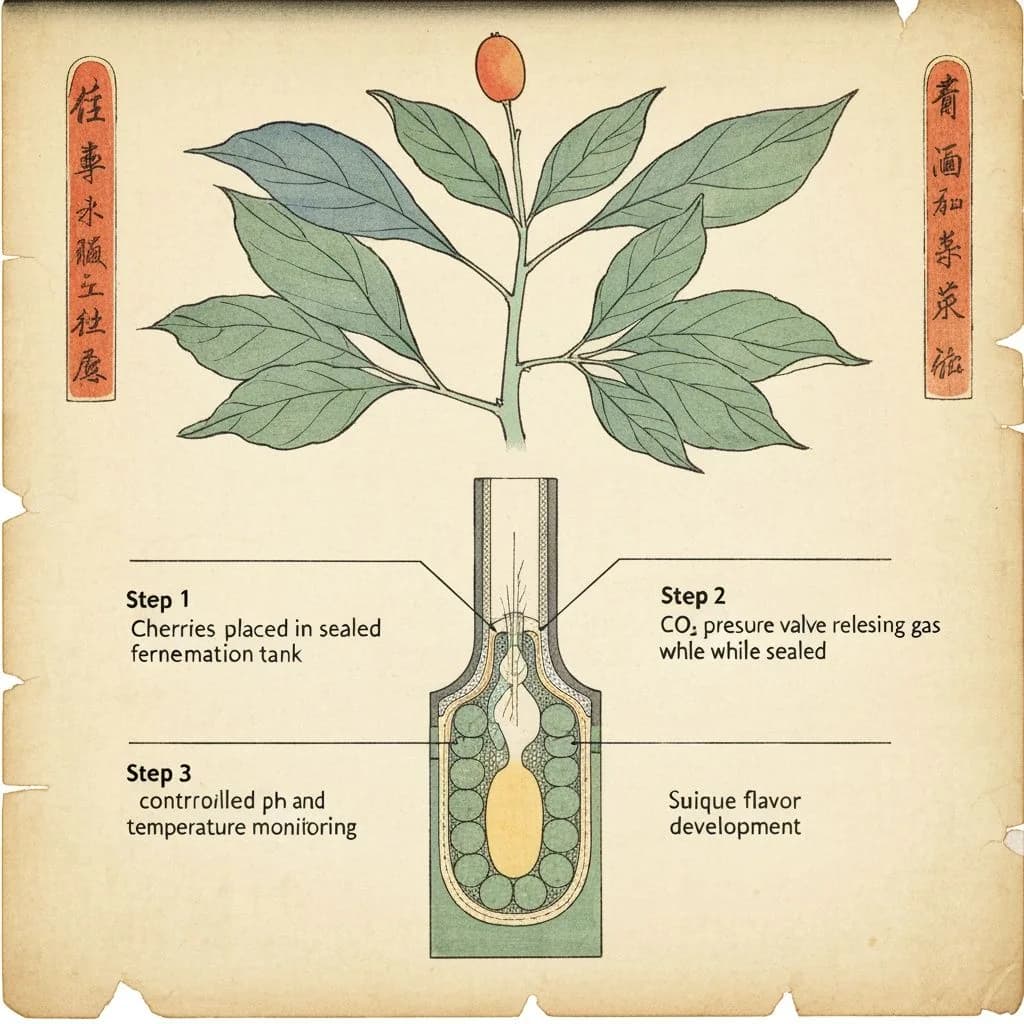
Arabica - botanical illustration showing plant characteristics and bean cross-section

Arabica

SpeciesMedium Caffeine

Coffea arabica accounts for about 60-70% of global coffee production. Known for its smooth, complex flavor profile and lower caffeine content compared to Robusta. Arabica plants are more delicate, requiring specific altitude and climate conditions to thrive.

Growing Altitude

800-2200m

About Coffea Arabica

Arabica is the most widely consumed coffee species, accounting for approximately 60-70% of global production. Discovered in the highland forests of Ethiopia, it was the first species of coffee to be cultivated, beginning in Yemen in the 15th century.

Characteristics

  • Growing altitude: 1,000-2,200 meters above sea level
  • Temperature: 15-24°C (59-75°F), sensitive to frost
  • Caffeine content: 1.0-1.5% (about half of Robusta)
  • Chromosomes: 44 (tetraploid)
  • Flavor profile: Complex, sweet, acidic, aromatic
  • Yield: Lower than Robusta, more susceptible to pests

Major Varieties

Arabica has hundreds of cultivars, with the most important being Typica (the original) and Bourbon (a natural mutation from Reunion Island). From these two lineages, nearly all modern specialty varieties descend: Gesha, Caturra, Catuai, SL-28, Pacamara, and many more.

Why Arabica Dominates Specialty Coffee

The chemical complexity of Arabica beans produces far more aromatic compounds during roasting than other species. Higher sugar content, more lipids, and a wider range of organic acids create the nuanced flavors - from citrus to chocolate to floral - that define specialty coffee. The trade-off is that Arabica is harder and more expensive to grow.

Did you know?

Arabica was the first species of coffee to be cultivated, originating in the highlands of Ethiopia.

Related
Frequently Asked Questions

What does Arabica taste like?
Arabica is known for sweet, fruity, acidic, complex flavor notes. It has a ## about coffea arabica arabica is the most widely consumed coffee species, accounting for approximately 60-70% of global production. discovered in the highland forests of ethiopia, it was the first species of coffee to be cultivated, beginning in yemen in the 15th century. ## characteristics - **growing altitude**: 1,000-2,200 meters above sea level - **temperature**: 15-24°c (59-75°f), sensitive to frost - **caffeine content**: 1.0-1.5% (about half of robusta) - **chromosomes**: 44 (tetraploid) - **flavor profile**: complex, sweet, acidic, aromatic - **yield**: lower than robusta, more susceptible to pests ## major varieties arabica has hundreds of cultivars, with the most important being **typica** (the original) and **bourbon** (a natural mutation from reunion island). from these two lineages, nearly all modern specialty varieties descend: gesha, caturra, catuai, sl-28, pacamara, and many more. ## why arabica dominates specialty coffee the chemical complexity of arabica beans produces far more aromatic compounds during roasting than other species. higher sugar content, more lipids, and a wider range of organic acids create the nuanced flavors - from citrus to chocolate to floral - that define specialty coffee. the trade-off is that arabica is harder and more expensive to grow. body and medium caffeine content.
What is the best way to brew Arabica?
Arabica performs best with pour over, drip, cold brew. These methods complement the bean's natural characteristics and extract the most balanced flavor. Experiment with grind size and water temperature to dial in your preferred taste.
Where is Arabica coffee grown?
Arabica is primarily grown in Ethiopia, Colombia, Brazil, Central America. The terroir of these regions -- altitude, soil composition, rainfall, and microclimate -- directly shapes the bean's flavor profile and determines which tasting notes develop during growth and processing.
How much caffeine does Arabica have?
Arabica has moderate caffeine content, typical of most Arabica varieties and suitable for all-day drinking. Actual caffeine in your cup depends on brewing method, dose, and water temperature more than the bean variety itself.

Researched and compiled by CoffeeTrove. Last updated March 2026.