Coffee Origins
Where coffee grows shapes how it tastes. Explore 15 of the world's most celebrated growing regions.
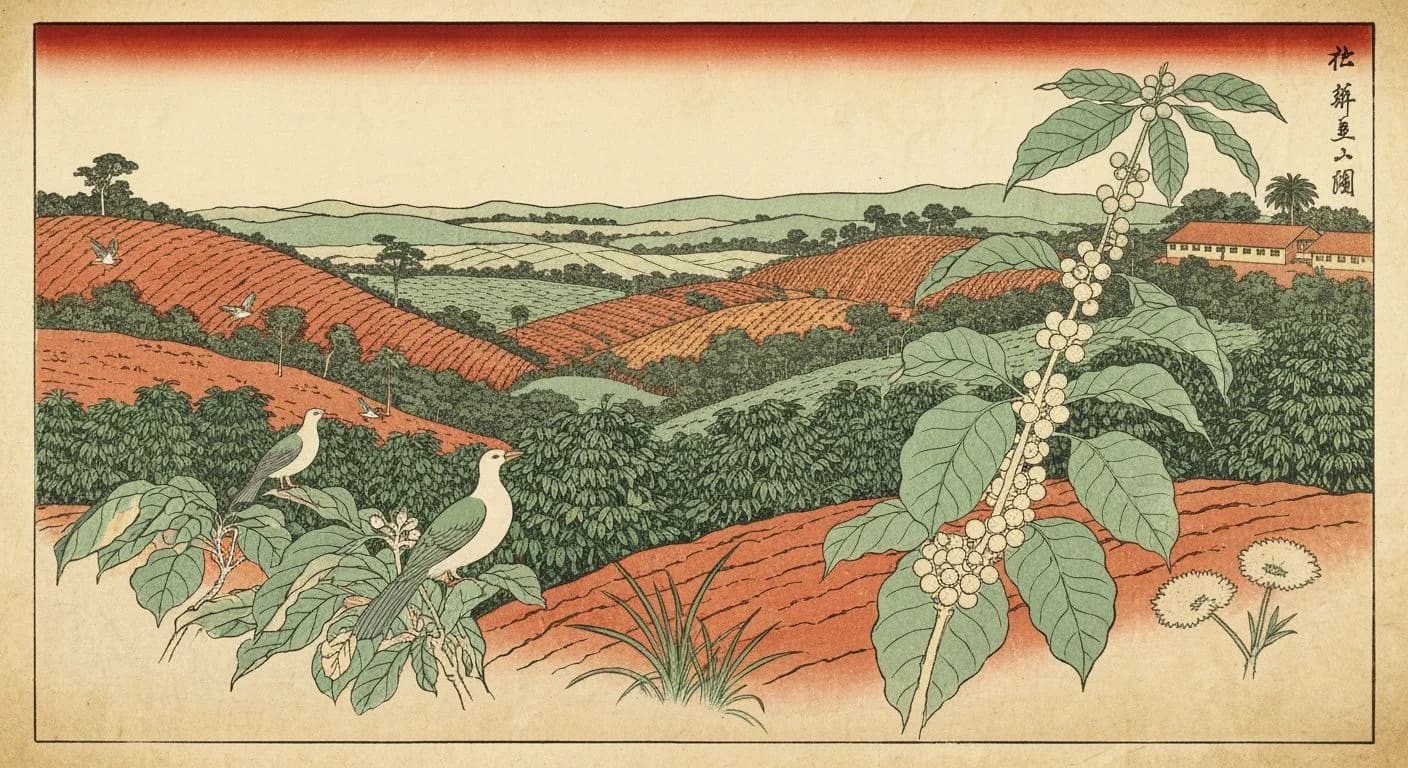
Brazil Cerrado
Brazil's largest specialty region. Cerrado coffees are the backbone of many espresso blends worldwide, offering low acidity, heavy body, and reliable nutty-chocolate profiles.
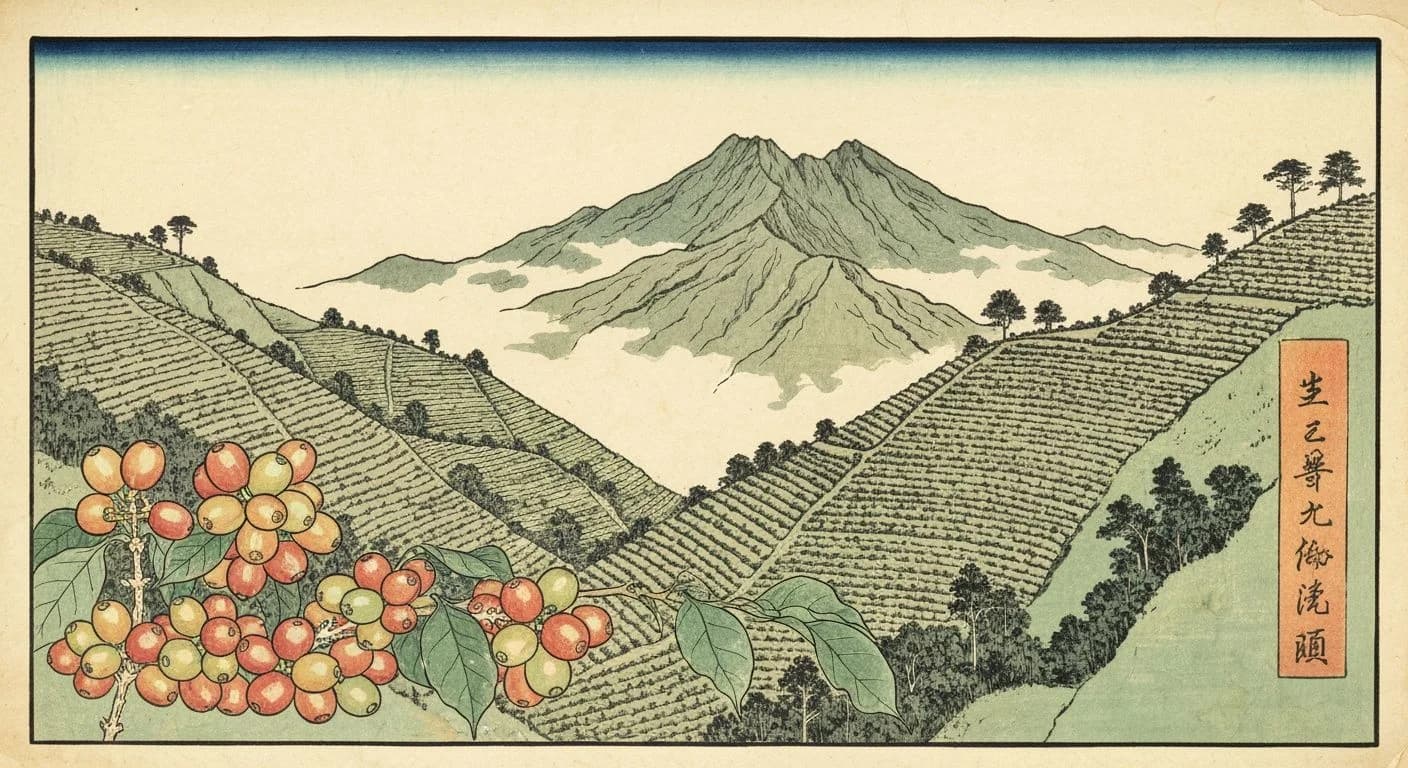
Colombia Huila
1,250-2,000m
One of Colombia's premier growing regions. Huila's volcanic soils and ideal altitude produce coffees with excellent sweetness, balanced acidity, and caramel-chocolate depth.
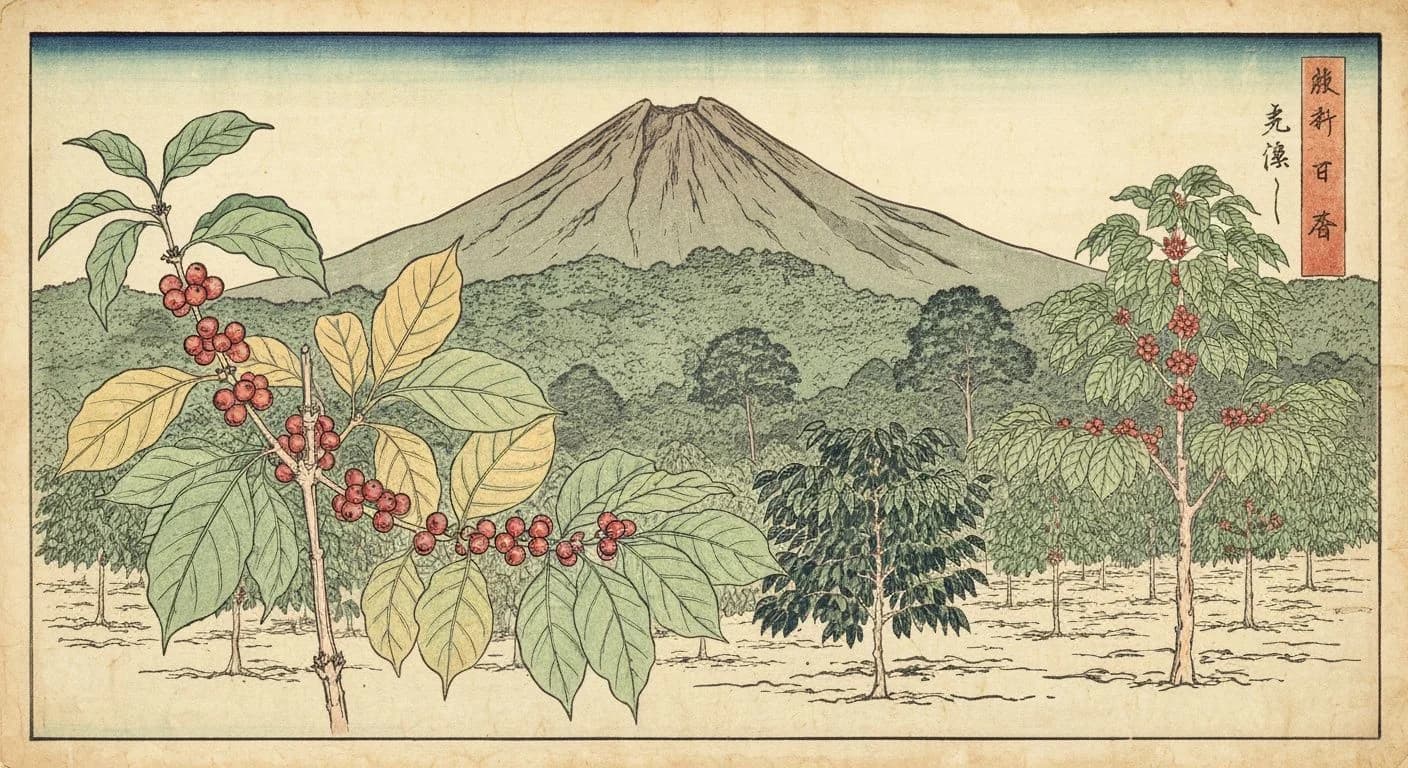
Costa Rica Tarrazu
1,200-1,900m
Tarrazu consistently produces some of Central America's finest coffees. High altitudes and rich volcanic soil create bright, complex cups with honey sweetness and citrus acidity.
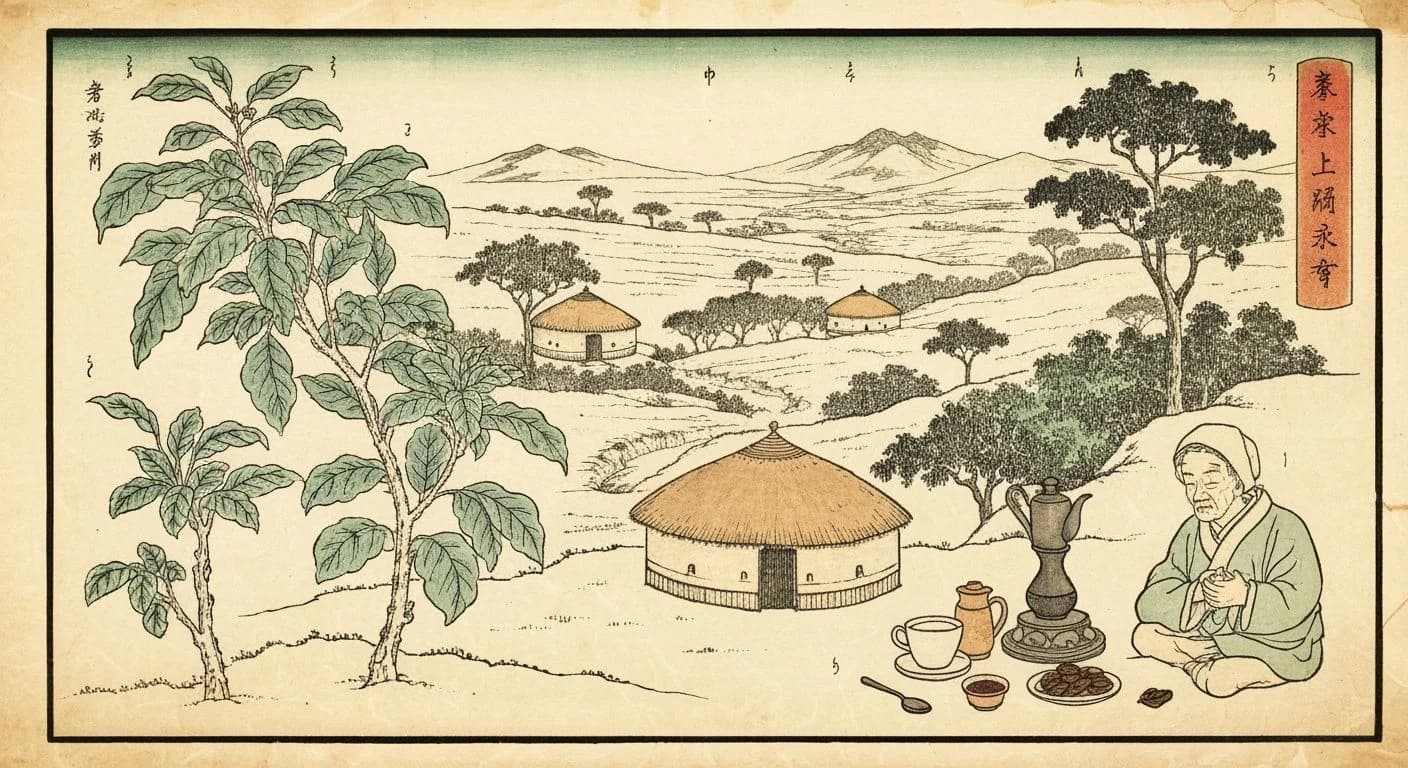
Ethiopia Yirgacheffe
1,700-2,200m
The birthplace of coffee. Yirgacheffe beans are prized for their bright, floral qualities and clean citrus acidity. Naturally processed lots often explode with blueberry and tropical fruit notes.
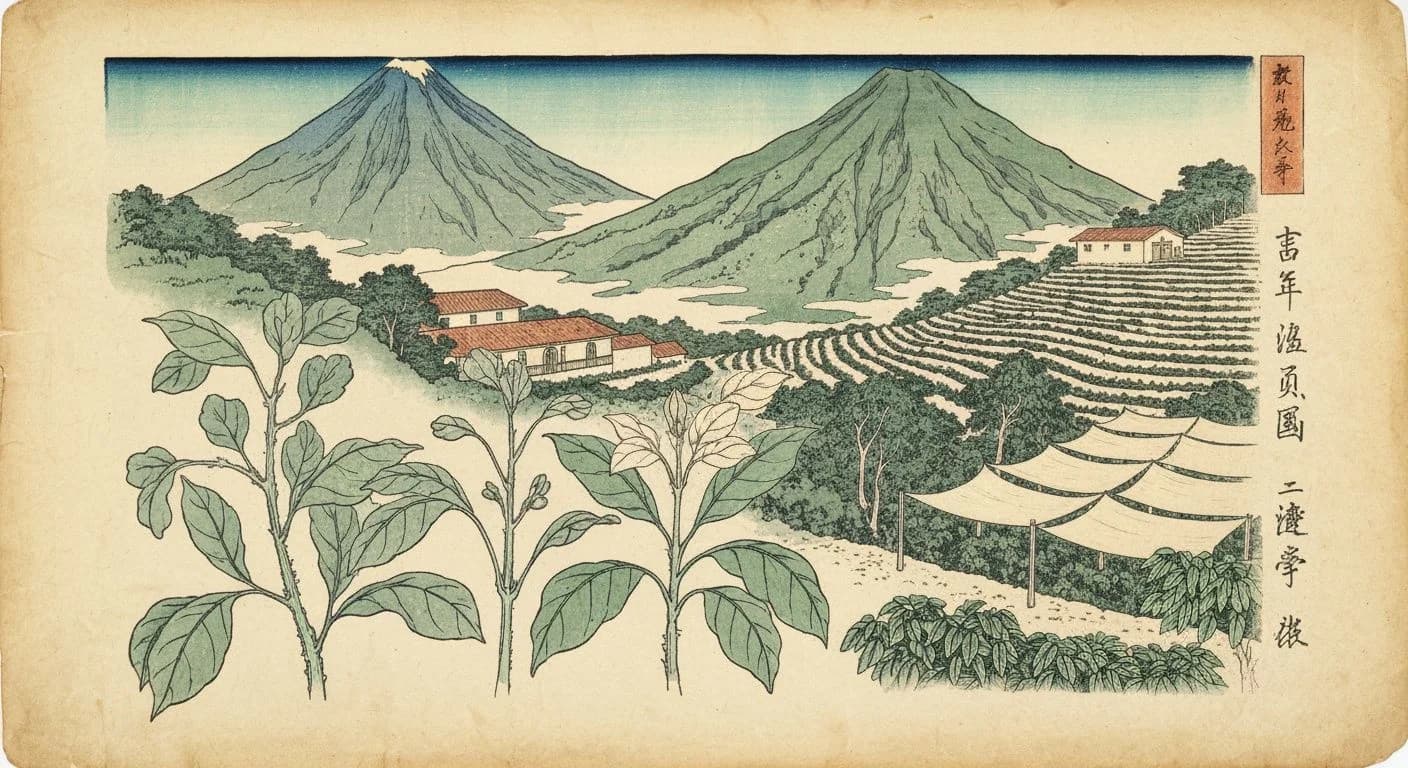
Guatemala Antigua
1,500-1,700m
Antigua's volcanic soil, surrounded by three volcanoes, produces coffees with a distinctive chocolatey sweetness and gentle spice. Well-balanced with medium acidity.
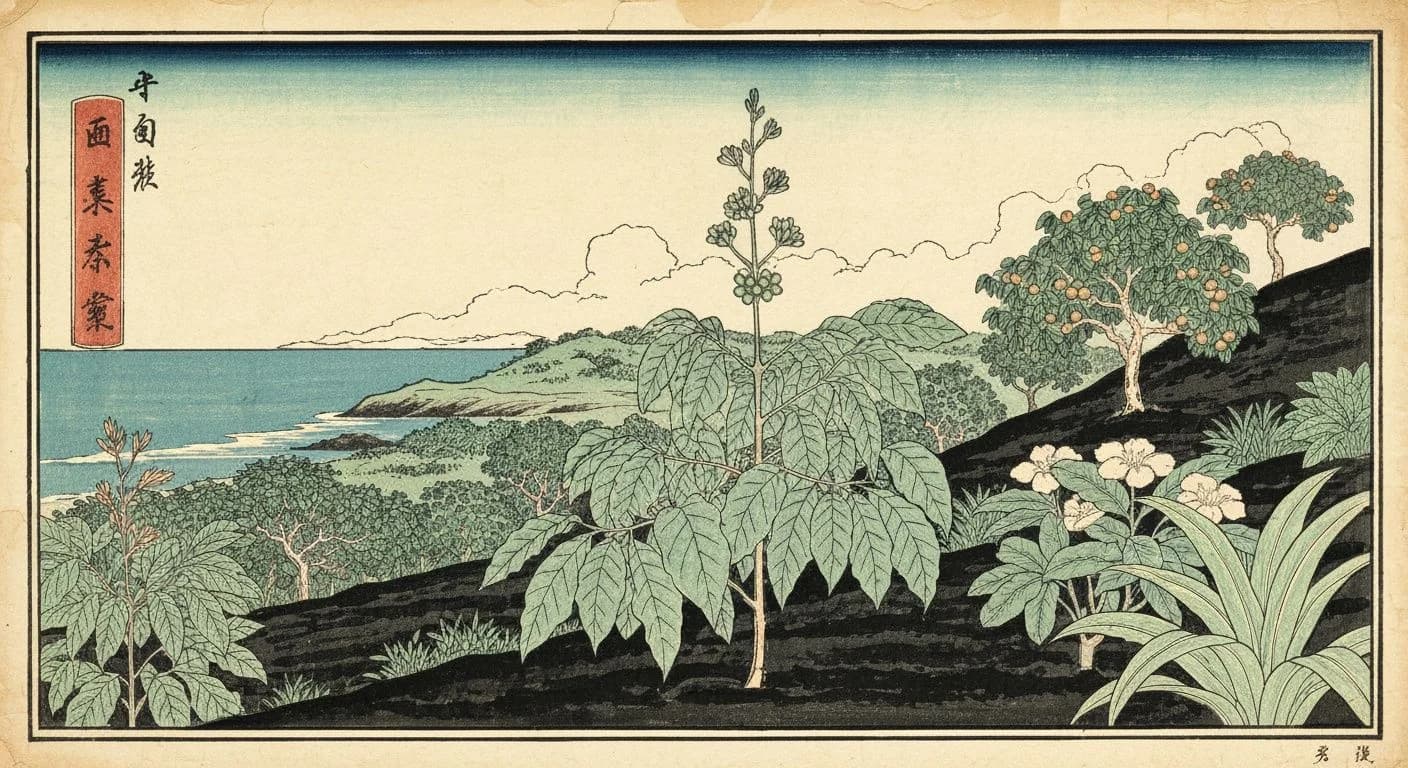
Hawaii Kona
200-800m
Grown on the slopes of Hualalai and Mauna Loa volcanoes on the Big Island. Volcanic soil and ideal microclimate produce a smooth, mild coffee with bright acidity. "Kona blend" legally requires only 10% Kona beans - look for 100% Kona.
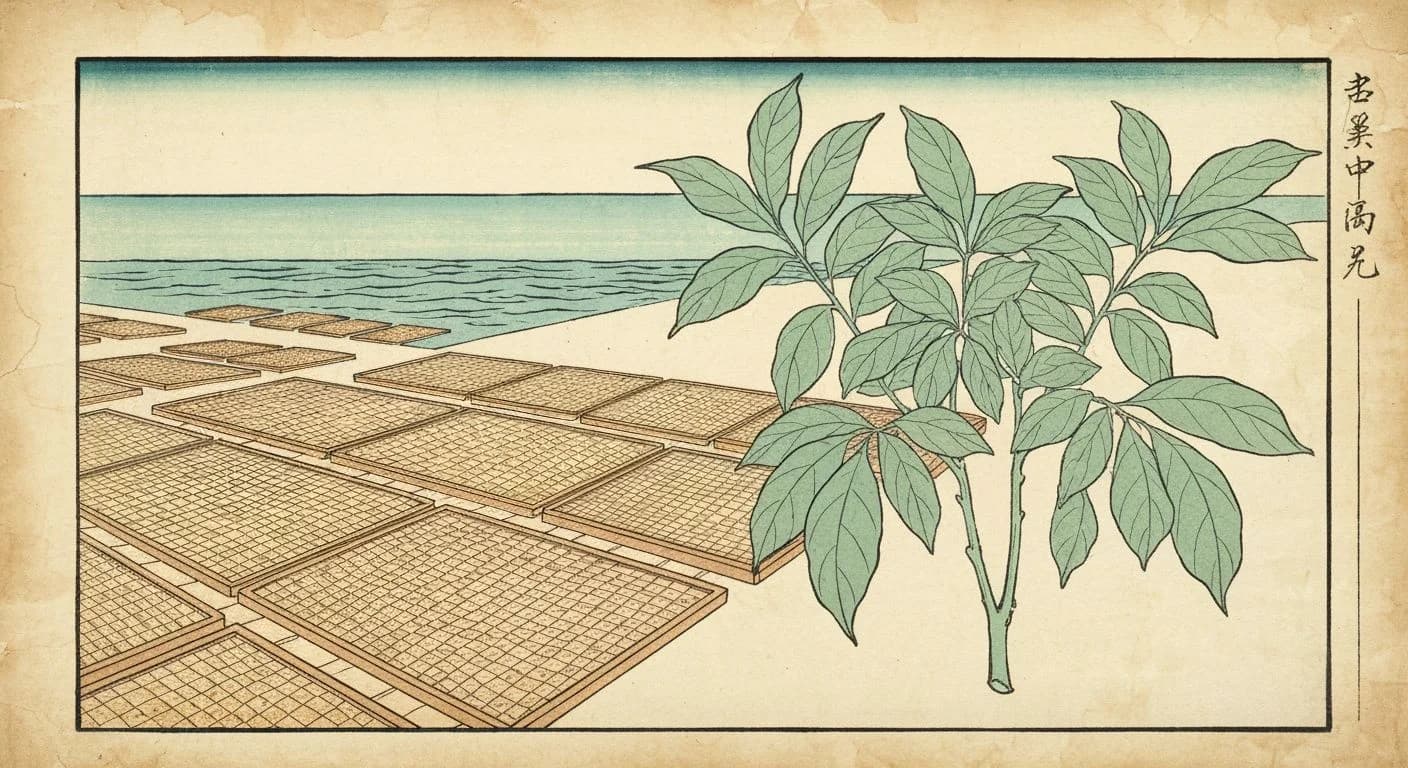
India Monsooned Malabar
1,000-1,500m
A unique processing method where green beans are exposed to monsoon winds and moisture for 12-16 weeks. This swells the beans and strips acidity, producing an unusually heavy, musty, and smooth cup. India is the 6th largest coffee producer globally.
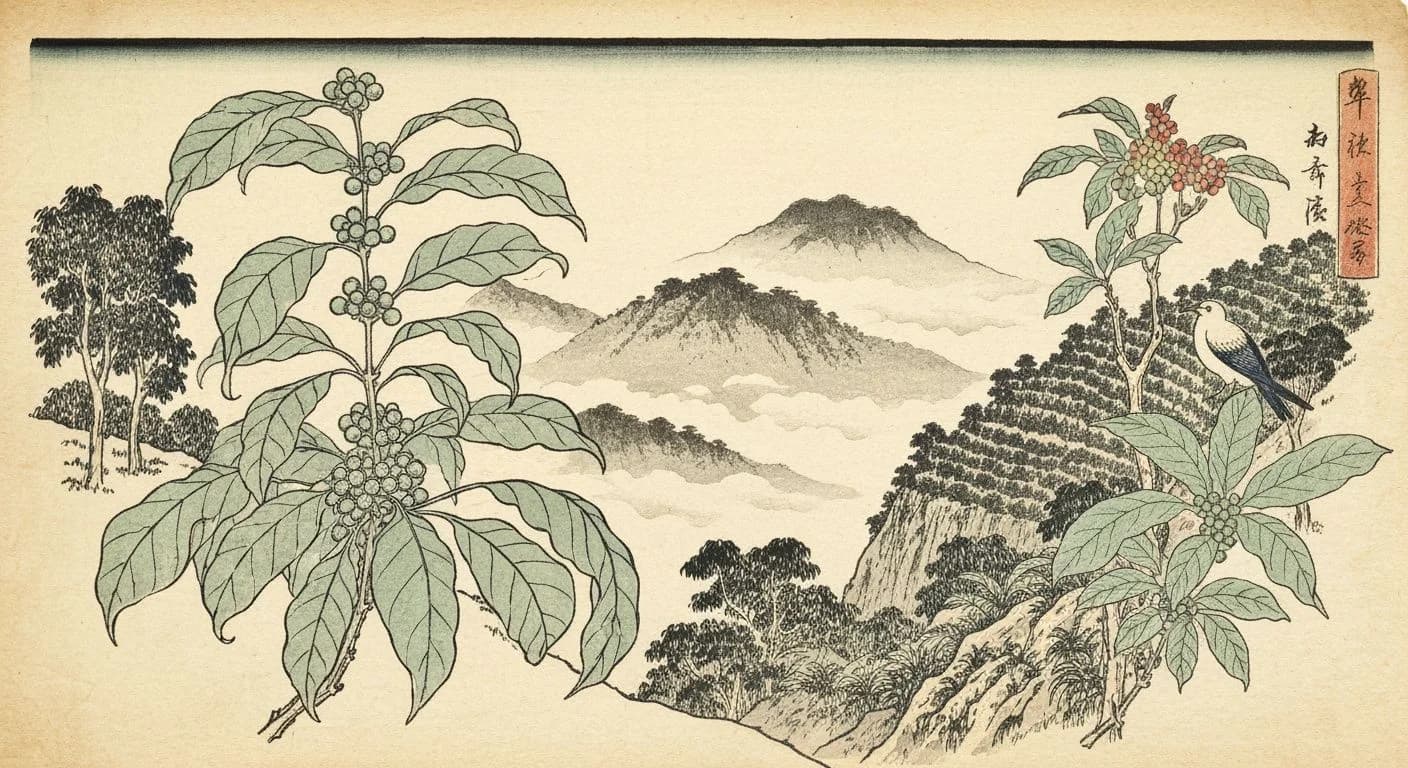
Jamaica Blue Mountain
900-1,700m
Grown in a narrow mountain range east of Kingston, Blue Mountain is one of the world's most expensive and regulated coffees. Mild, clean, and perfectly balanced with almost no bitterness. Protected by a geographic certification.
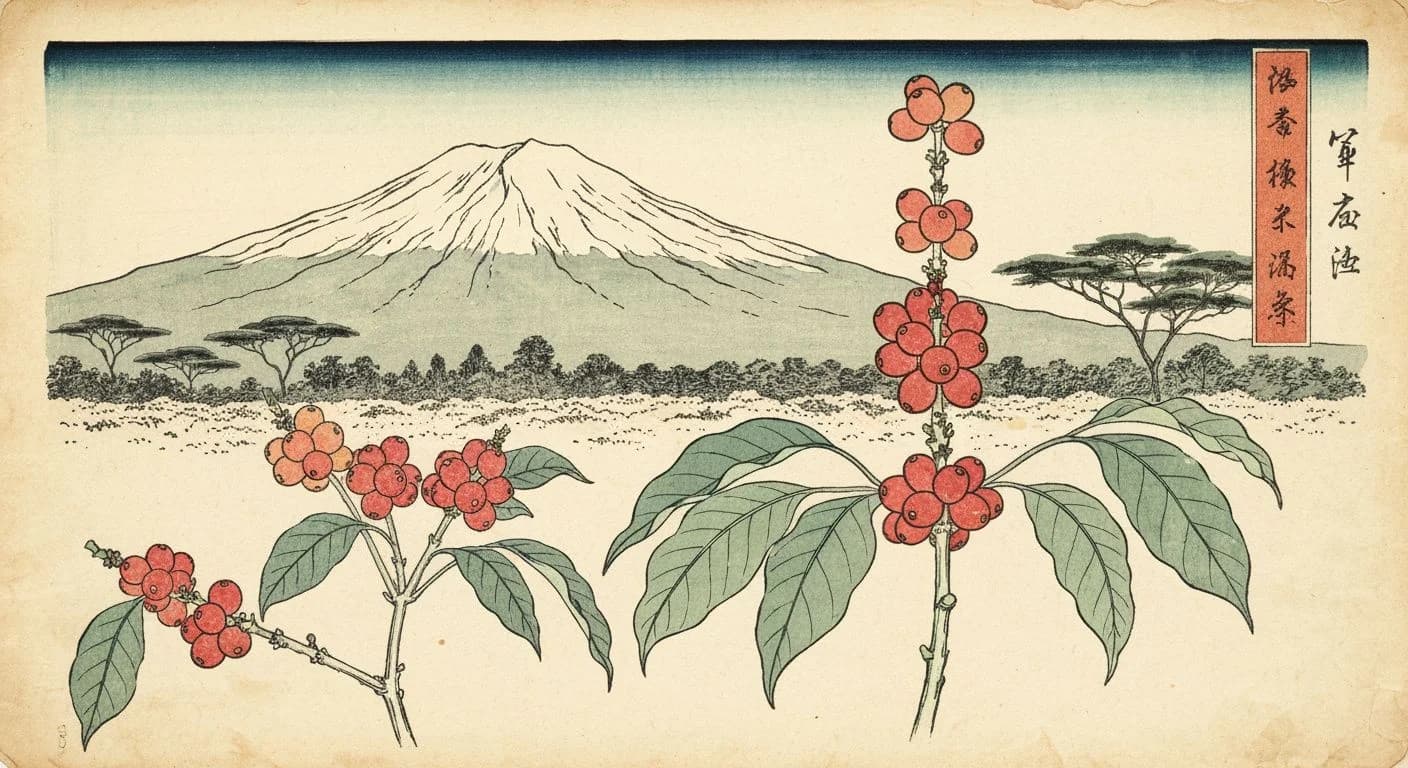
Kenya AA
1,400-2,000m
Kenyan coffees are among the most complex in the world. The AA designation refers to screen size. Expect intense blackcurrant acidity, tomato-like brightness, and a syrupy body.
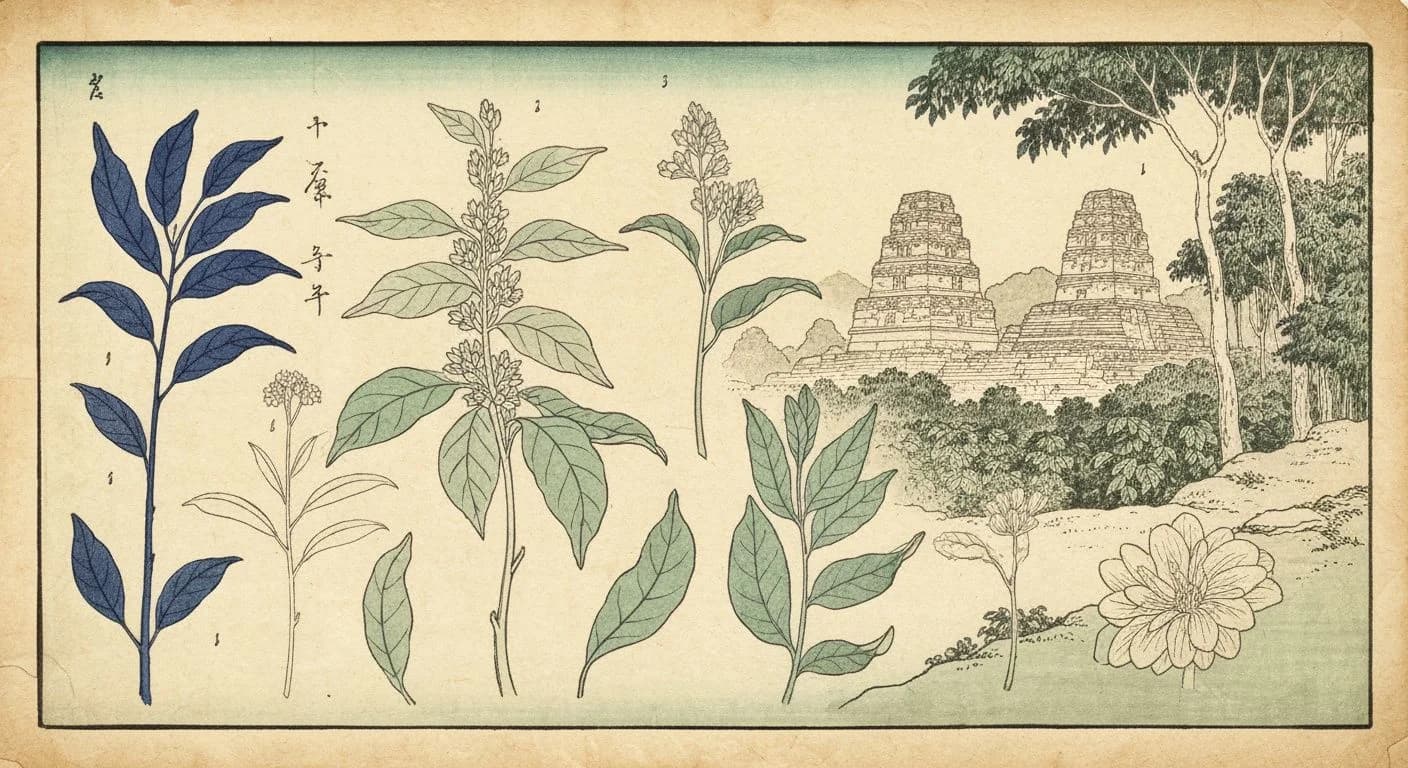
Mexico Chiapas
900-1,700m
Mexico is the world's 10th largest coffee producer, with Chiapas producing the best specialty lots. Organic farming is widespread. The cup is light and approachable with bright acidity and chocolate notes.
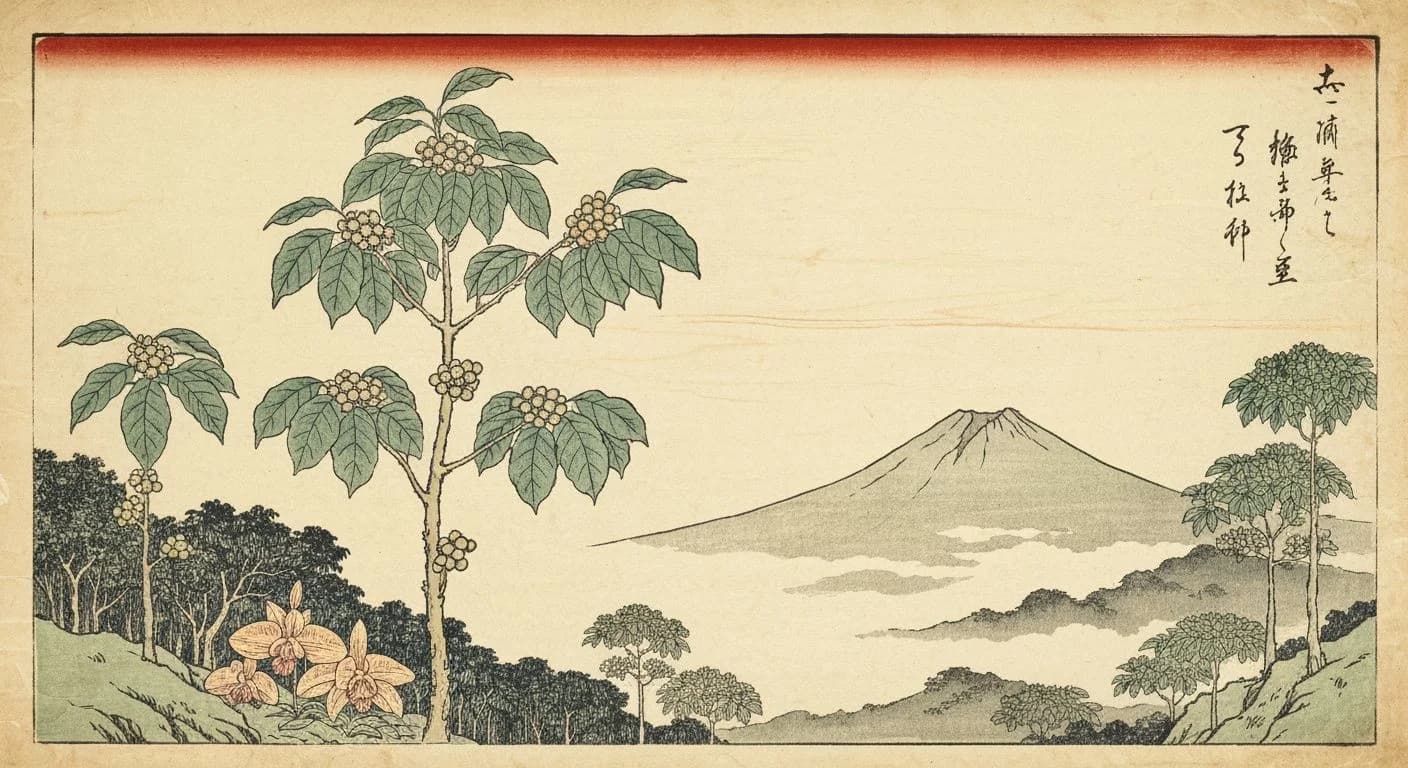
Panama Geisha
1,500-1,900m
The most expensive and celebrated coffee variety. Panama Geisha (Gesha) produces extraordinary floral and jasmine-like cups that shattered auction records and redefined specialty coffee.
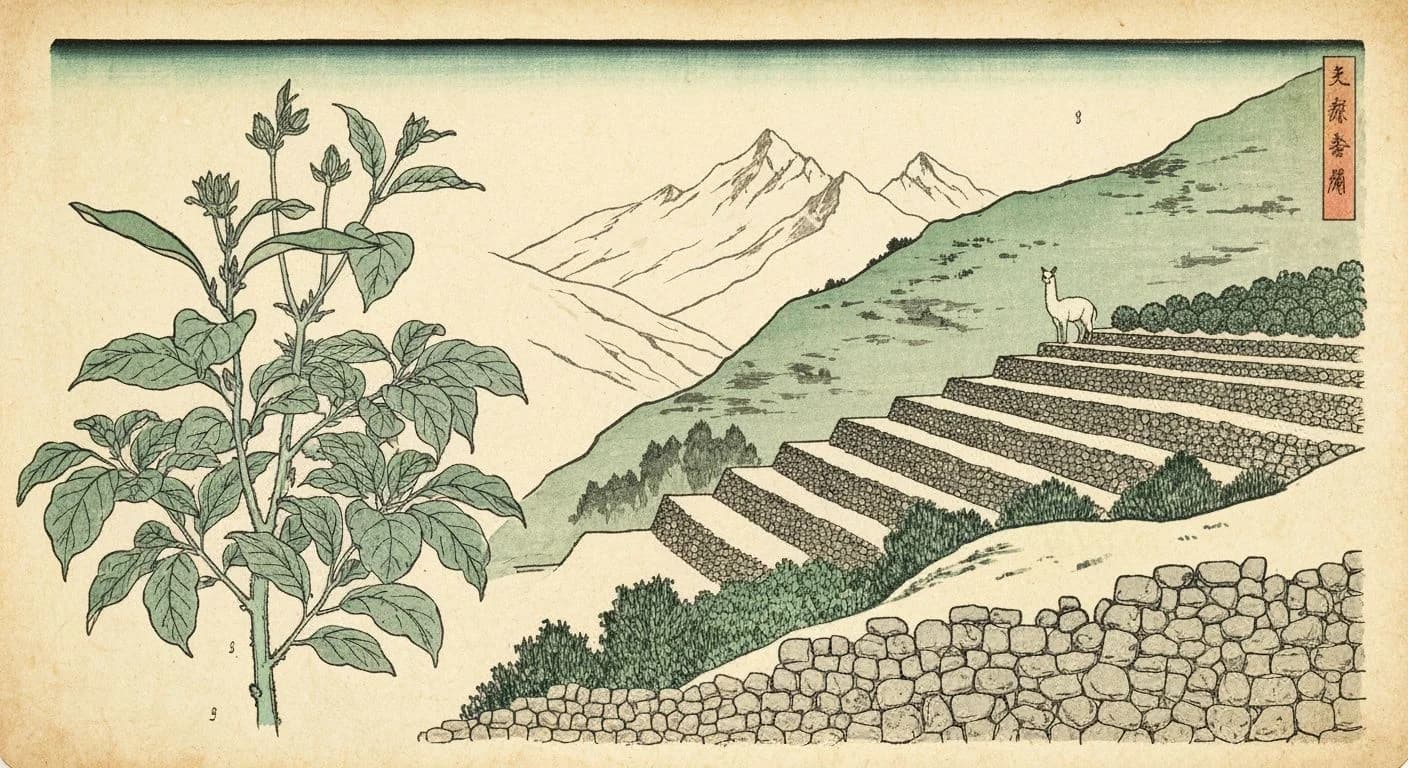
Peru Cusco
1,200-1,800m
Peru is one of the world's top organic coffee producers. High-altitude farms in regions like Cusco, Cajamarca, and Amazonas produce clean, mild coffees with gentle sweetness. Growing reputation in specialty markets.
Rwanda Nyamasheke
1,700-2,000m
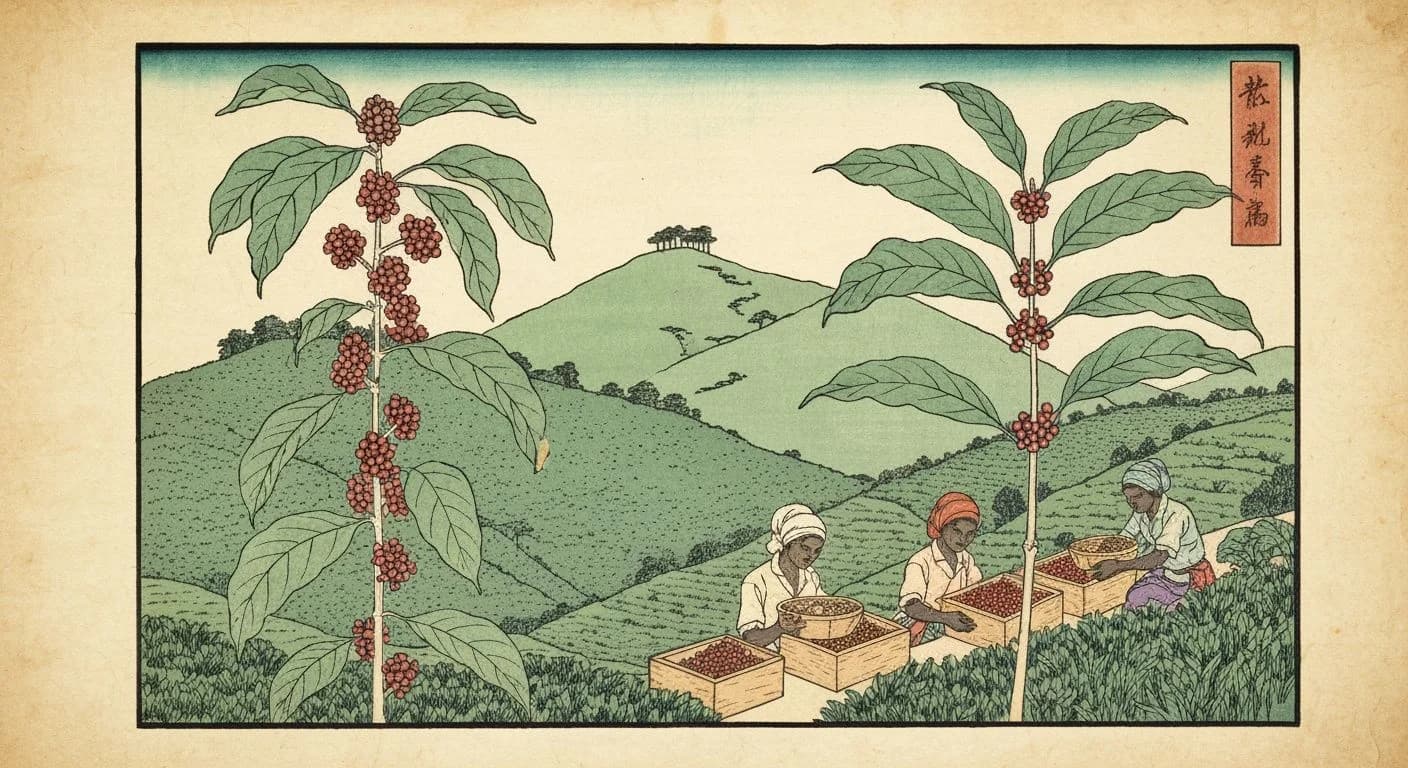
Rwanda's coffee renaissance has produced exceptional washed coffees. Nyamasheke lots are known for their bright citrus acidity, floral notes, and clean tea-like finish.
Sumatra Mandheling
1,100-1,600m
One of the most distinctive coffees in the world. Wet-hulled (Giling Basah) processing gives Sumatran coffee its signature heavy body, low acidity, and earthy complexity. Grown around Lake Toba in northern Sumatra.
Yemen Mocha
1,500-2,500m
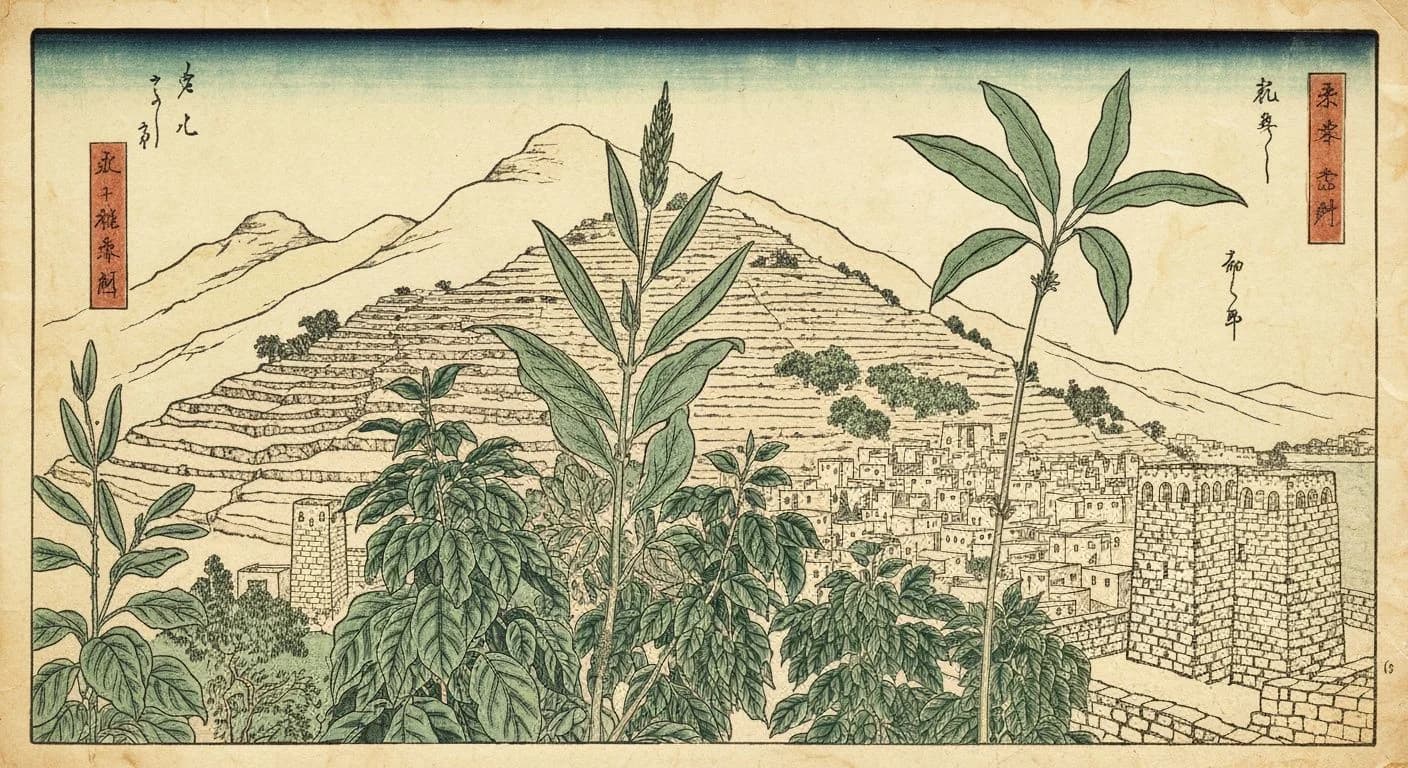
The birthplace of commercial coffee cultivation. Yemeni coffee is still hand-picked from ancient terraced farms, sun-dried on rooftops. Wild, wine-like, with intense fruit and chocolate. The original "Mocha" - named after the port city of Al Mokha.