Guatemala Antigua
Antigua's volcanic soil, surrounded by three volcanoes, produces coffees with a distinctive chocolatey sweetness and gentle spice. Well-balanced with medium acidity.
Coffee Heritage
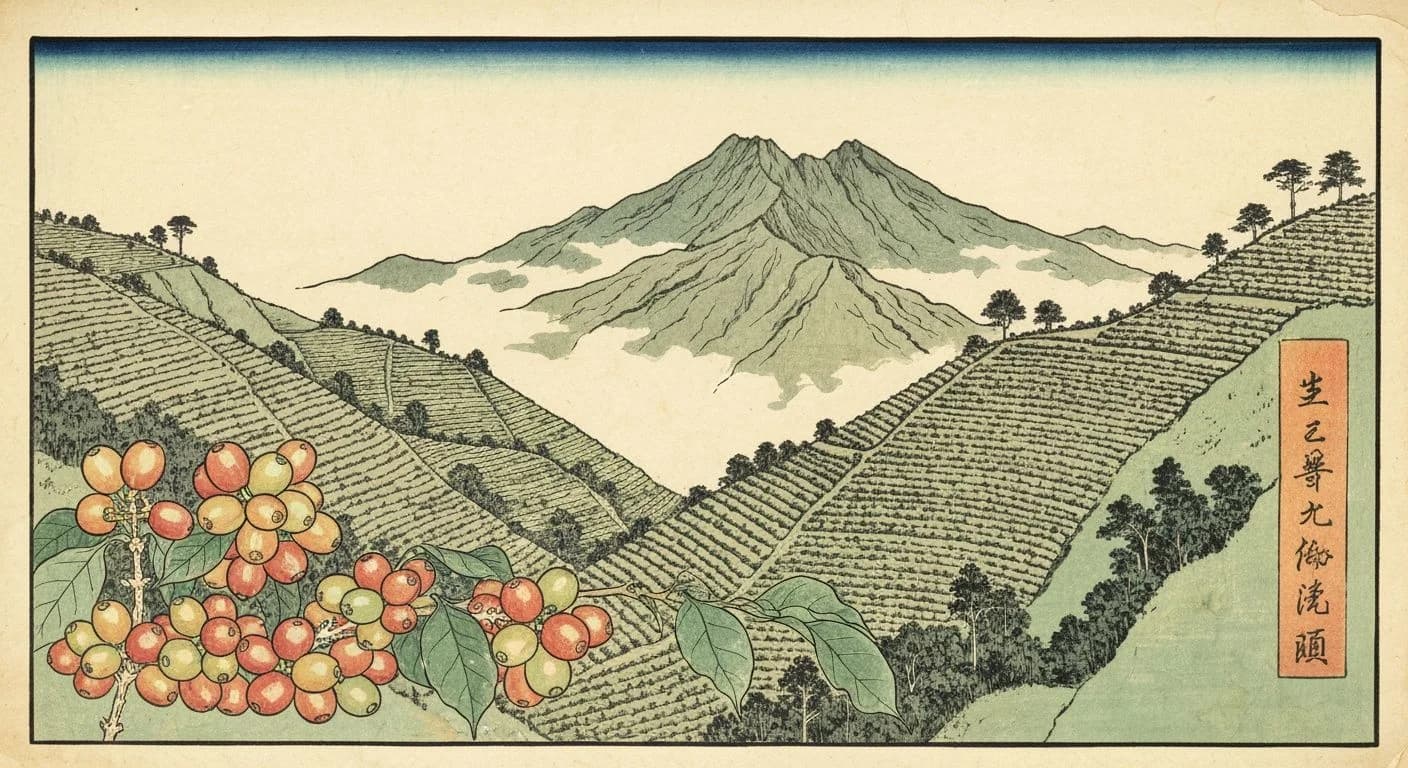
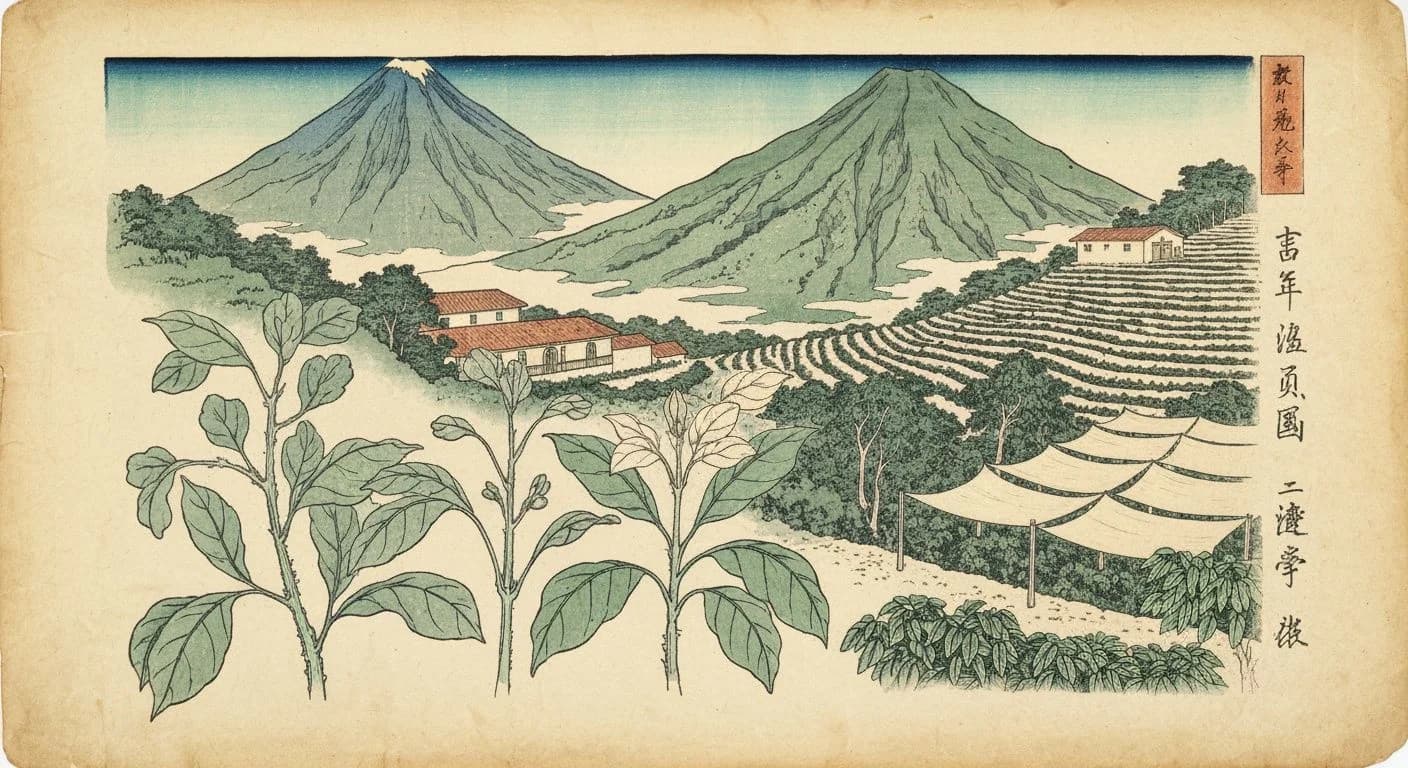
Coffee has been cultivated in Guatemala since the mid-1700s, and the Antigua Valley is the country's most storied growing region. Surrounded by three volcanoes -- Agua, Fuego, and Acatenango -- the valley has produced coffee for over 250 years. The combination of volcanic soil and consistent climate made Antigua one of the first regions in the Americas to gain international recognition. Guatemala's Strictly Hard Bean (SHB) designation, reserved for coffee grown above 1,350 meters, applies to most Antigua lots.
Growing Conditions
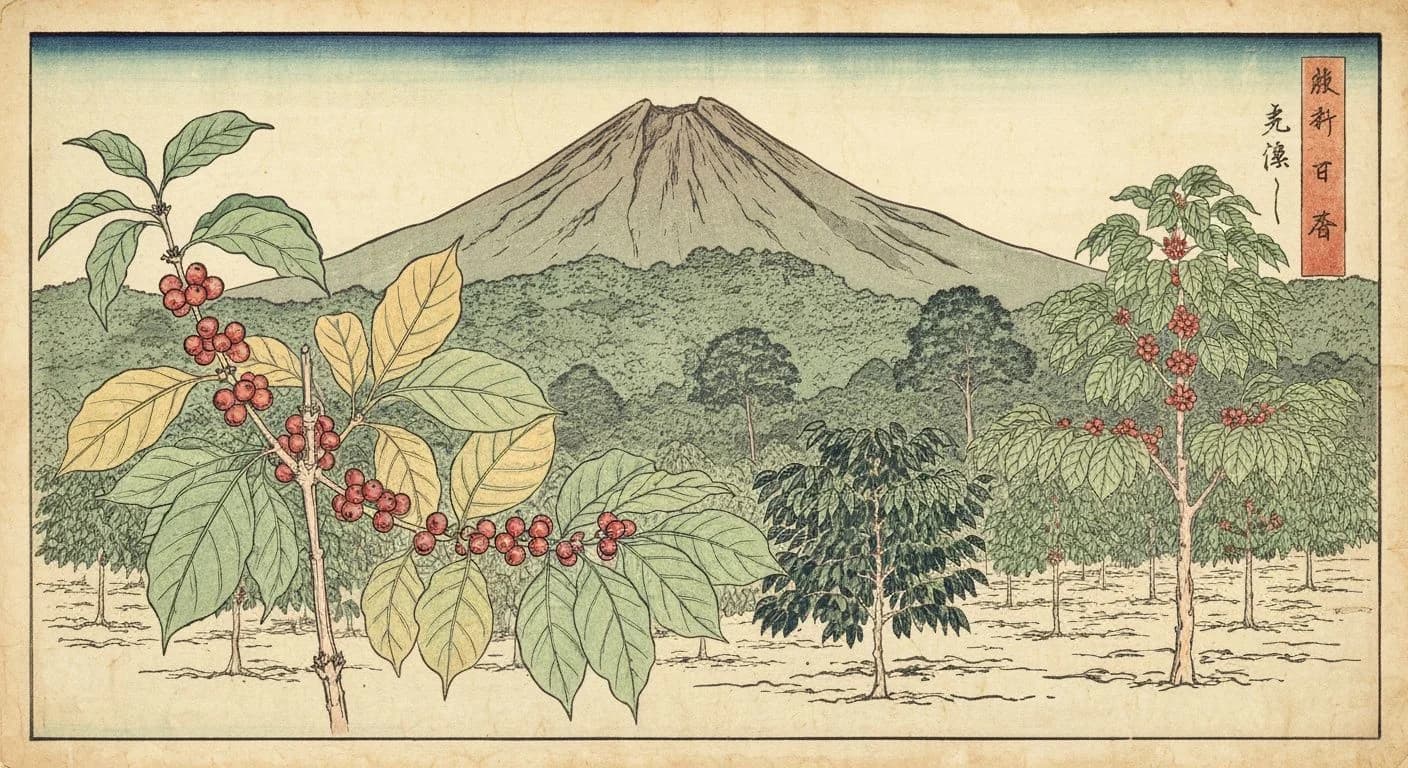
Antigua sits at 1,500 to 1,700 meters in a valley protected by surrounding volcanoes. Fuego, one of the most active volcanoes in Central America, periodically deposits fresh volcanic ash that enriches the soil with minerals. The valley receives roughly 1,000 mm of rain annually -- less than many coffee regions -- which stresses the plants just enough to concentrate flavors. Cool, dry nights and warm days create an ideal diurnal temperature range.
Processing Traditions
Washed processing is the standard in Antigua, with most farms using traditional fermentation in concrete tanks followed by channel washing and patio drying. Some producers have adopted raised-bed drying for premium lots. Natural and honey processing remain rare but are growing among specialty-focused farms.
Flavor Character
- Rich, dark chocolate as the dominant flavor
- Warm spice notes including cinnamon, clove, and nutmeg
- Stone fruit sweetness with plum and dried cherry
- Honey and brown sugar in the finish
- Medium acidity that feels rounded rather than sharp
- Full body with a velvety, satisfying texture
What Makes It Special
Antigua is the archetype of the "chocolatey Latin American coffee." Its volcanic terroir produces a depth and sweetness that makes it a favorite for both specialty brewing and high-end espresso. The valley's protected microclimate and centuries of cultivation knowledge give Antigua a consistency that few origins can match.
Did you know?
Volcan de Fuego, which looms over Antigua's coffee farms, erupts regularly and deposits fresh volcanic ash on the surrounding fields, continuously replenishing the soil with minerals that benefit the coffee plants.