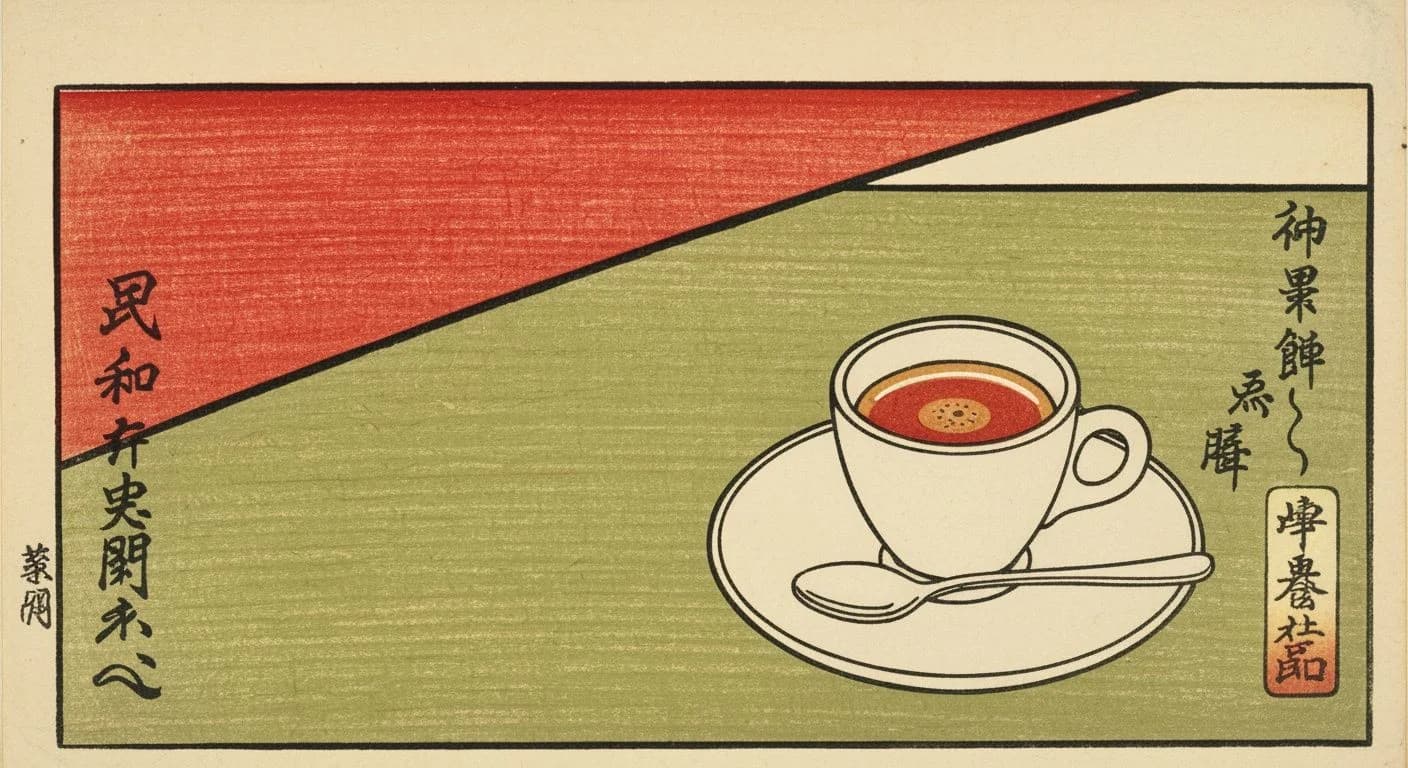
Espresso
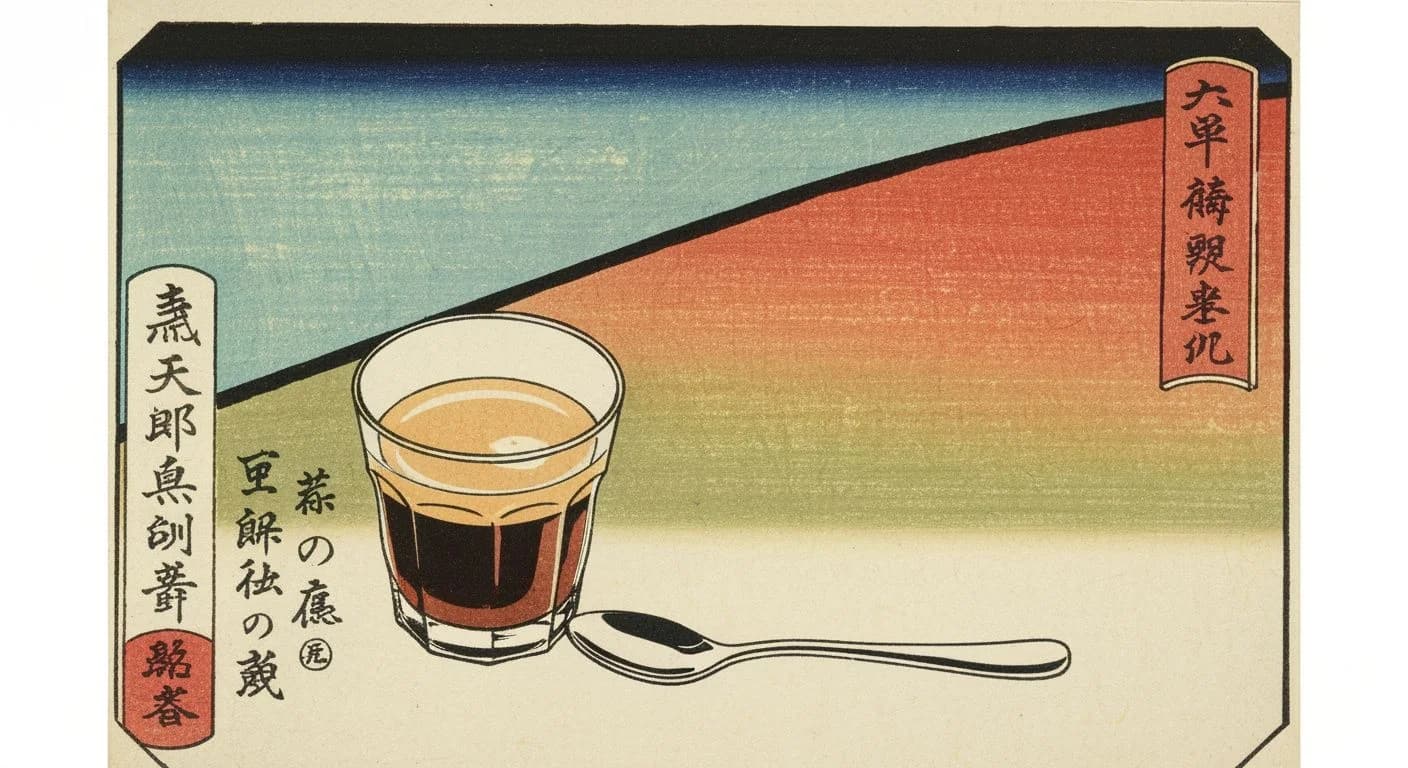
A concentrated 25-30ml shot of coffee extracted under pressure. The foundation of cafe culture and the purest expression of a roaster's craft.
Ingredients
Finely ground coffee, water
Variations
History of Espresso
Espresso was born in early 20th-century Italy from the desire for faster coffee preparation. Angelo Moriondo patented the first steam-driven coffee machine in 1884 in Turin, but it was Luigi Bezzera and Desiderio Pavoni who refined and commercialized espresso machines in Milan around 1901-1906. The lever machine era began in 1948 when Achille Gaggia introduced high-pressure extraction, creating the thick crema that defines modern espresso.
How It Is Made
Espresso is brewed by forcing hot water (90-96 degrees Celsius) through finely ground coffee at 9 bars of pressure for 25-30 seconds. A standard single shot uses 7-9 grams of coffee and yields 25-30ml of liquid. The grind must be precise -- too fine causes over-extraction and bitterness, too coarse causes under-extraction and sourness. Proper tamping ensures even water distribution through the coffee puck.
Flavor Profile
A well-pulled espresso is concentrated, complex, and layered. The crema on top carries aromatic oils and a slightly bitter sweetness. The body underneath is rich and syrupy. Depending on the beans, expect flavors ranging from dark chocolate and caramel to citrus and berry. The aftertaste should be pleasant and lingering, not harsh or ashy.
Variations and Customization
Best Coffee to Use
Traditional Italian espresso blends combine Brazilian base beans with robusta for crema and body. Modern specialty espresso often uses single origin beans roasted medium to highlight origin character. The key is freshness -- beans should be 7-21 days from roast for optimal extraction and crema.
Did you know?
Despite its intense flavor, a single shot of espresso contains less caffeine than a standard cup of drip coffee because of the much smaller serving size -- about 63mg versus 95mg.
Related Drinks
Frequently Asked Questions
What is a Espresso?▼
How do you order a Espresso at a cafe?▼
Can you make a Espresso at home?▼
Researched and compiled by CoffeeTrove. Last updated March 2026.