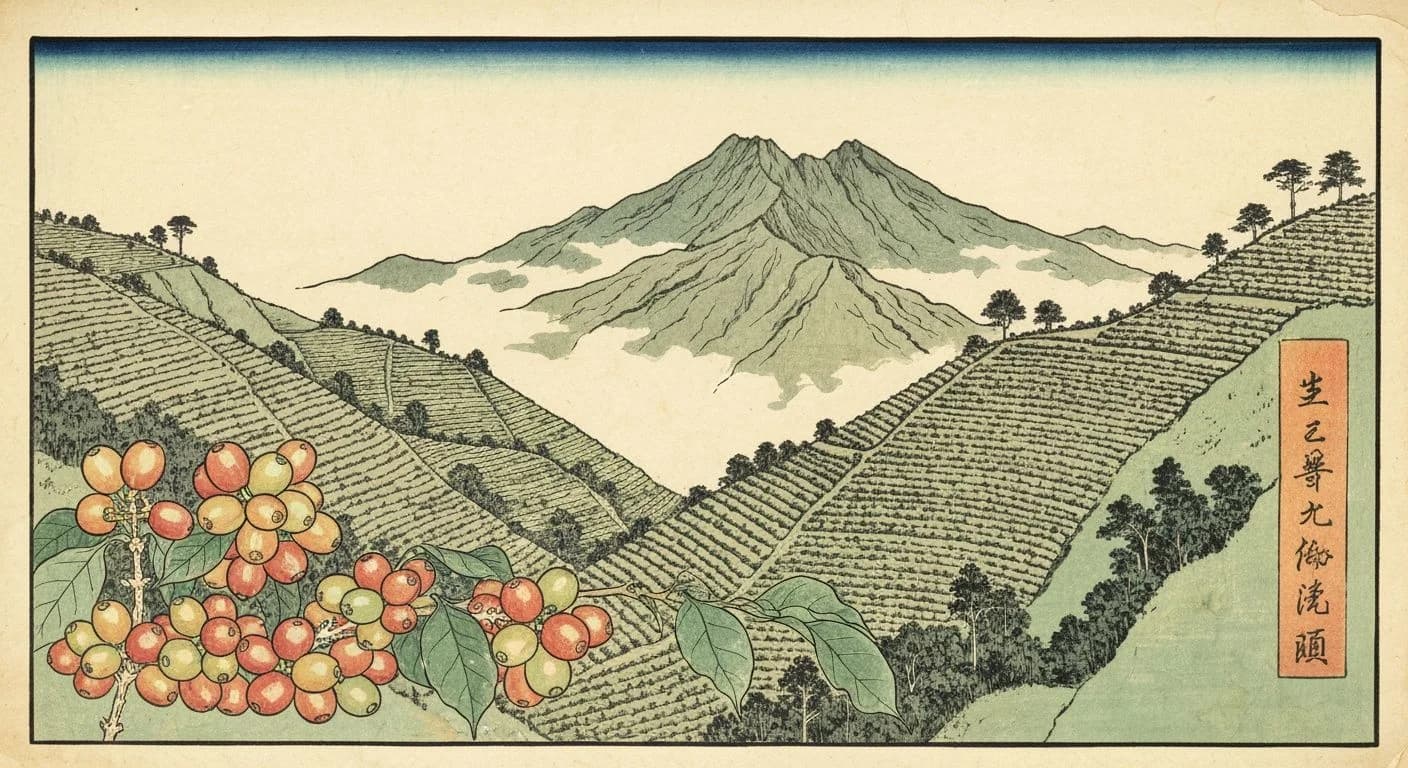
Colombia Huila
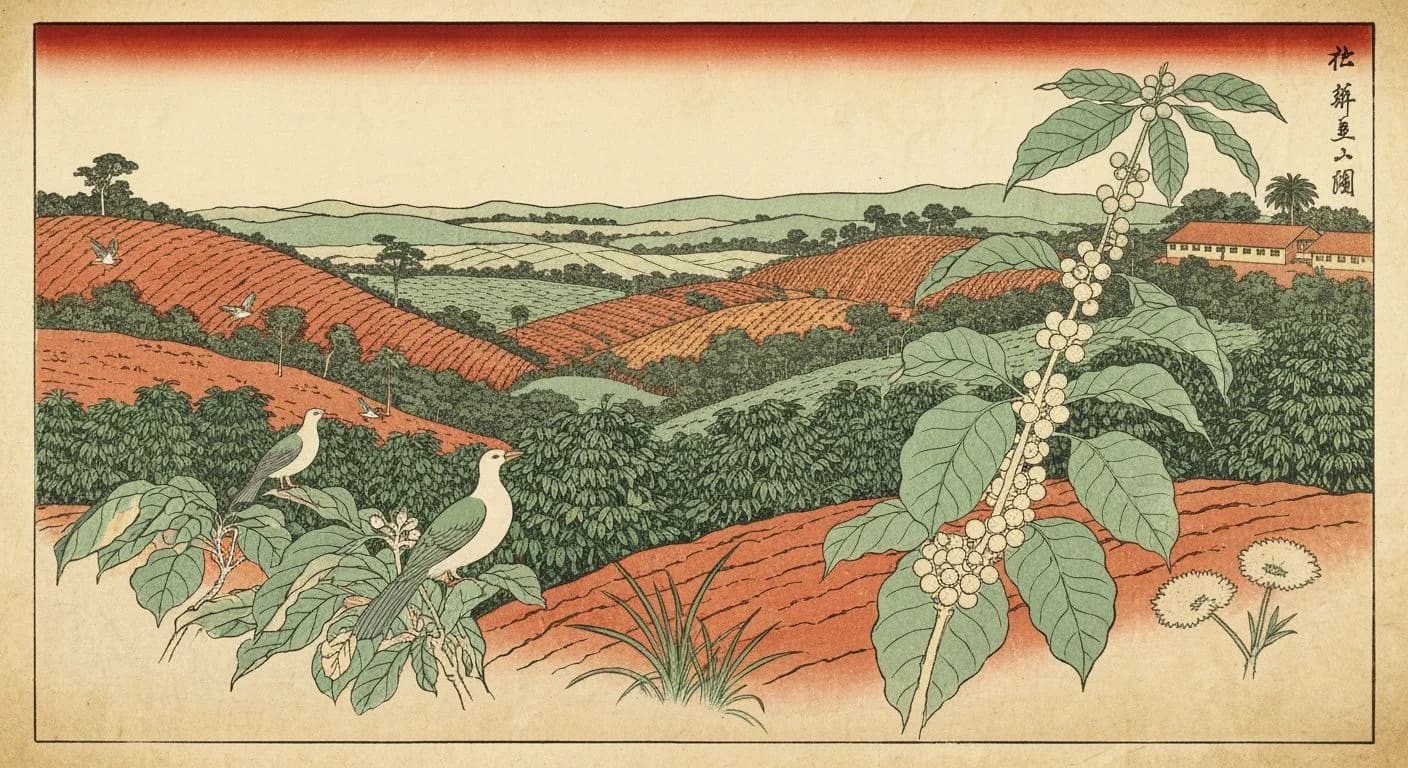
One of Colombia's premier growing regions. Huila's volcanic soils and ideal altitude produce coffees with excellent sweetness, balanced acidity, and caramel-chocolate depth.
Coffee Heritage
Colombia has been synonymous with quality coffee since the early 1800s. The Huila department, located in the southwest where the Andes split into three cordilleras, emerged as one of the country's premier specialty regions in the late 20th century. The fictional character Juan Valdez, created in 1958, helped establish Colombian coffee as a global benchmark for quality. Today, Huila consistently wins Cup of Excellence competitions.
Growing Conditions
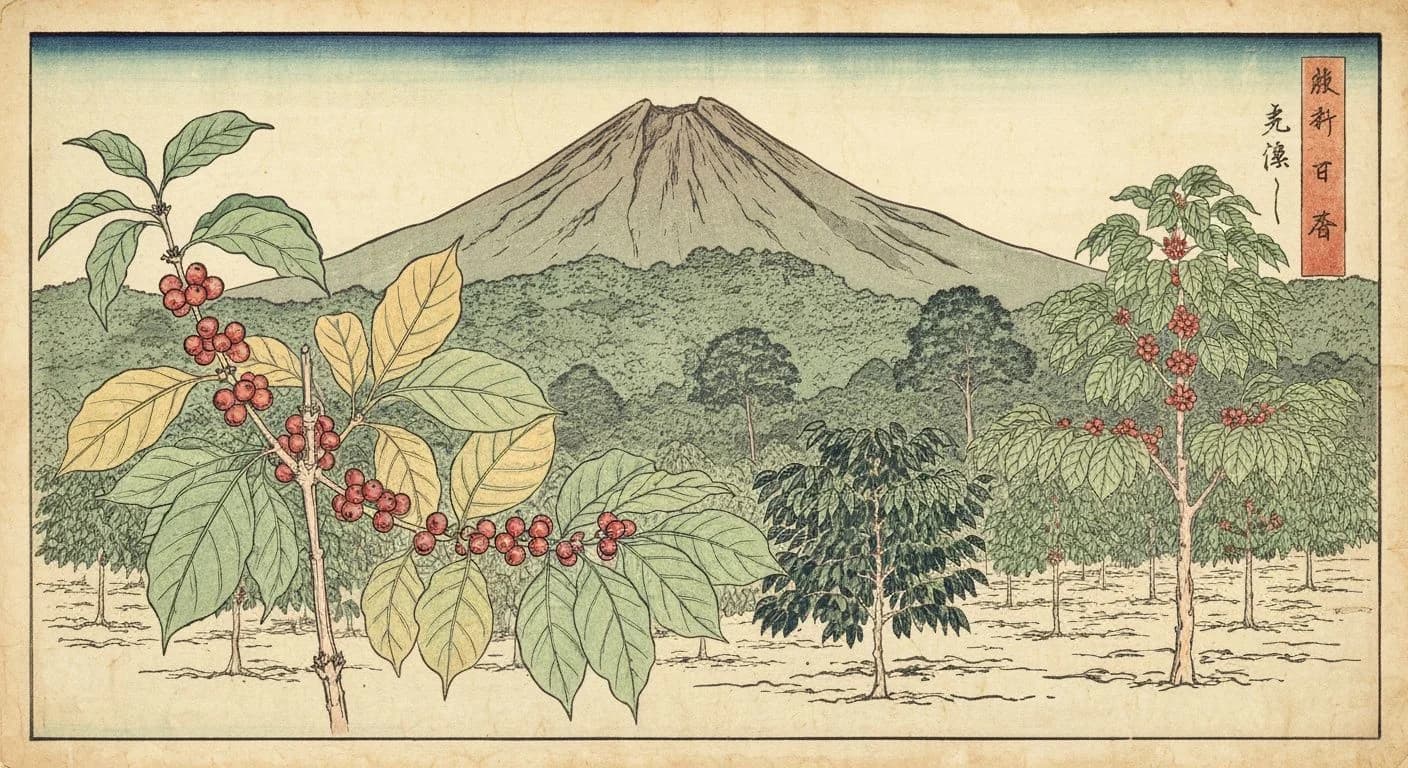
Huila benefits from altitude ranging from 1,250 to 2,000 meters, volcanic soil from the nearby Nevado del Huila volcano, and two distinct harvest seasons. The combination of warm days and cool nights slows cherry maturation, allowing sugars to develop fully. Annual rainfall is well-distributed, and natural shade from banana and plantain trees protects the coffee plants.
Processing Traditions
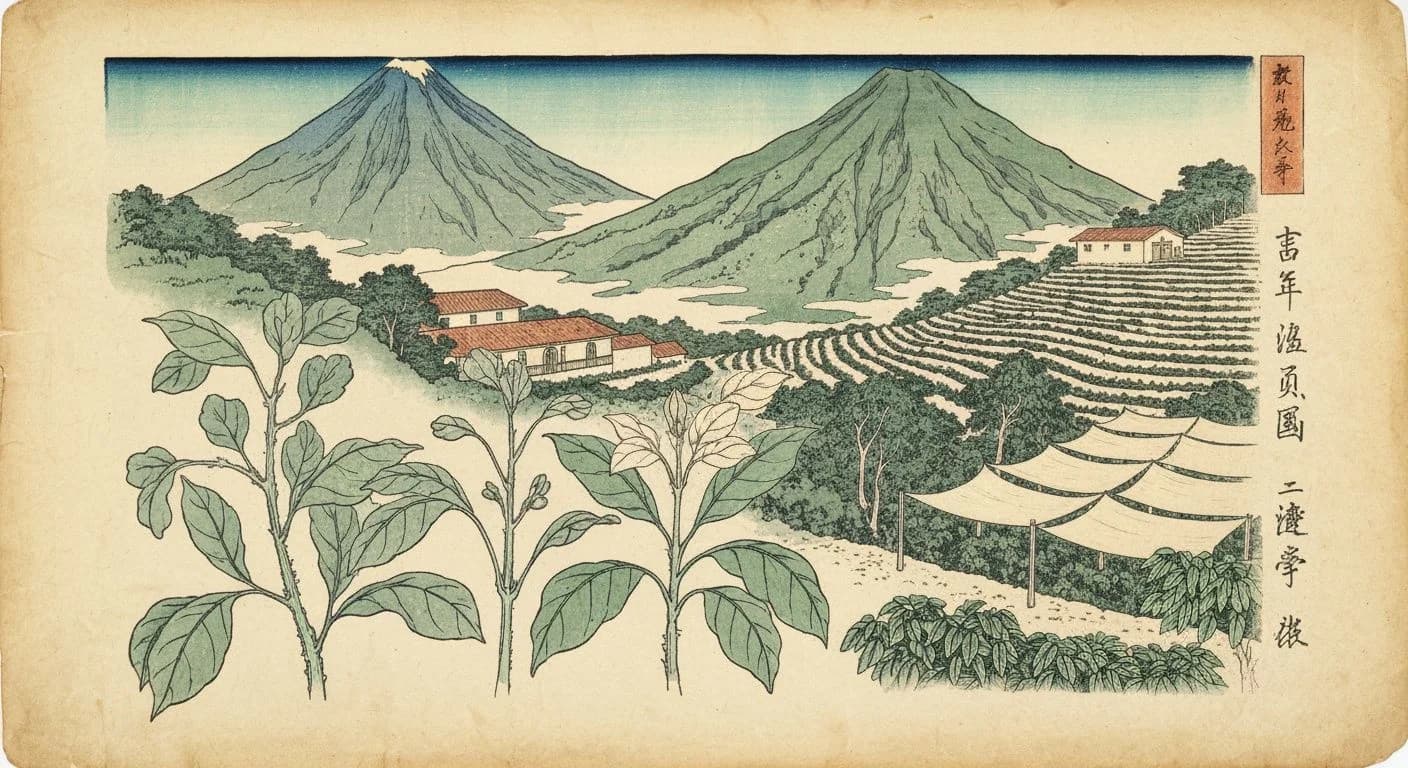
Washed processing dominates Huila, producing the clean, bright cups Colombia is famous for. However, honey and natural processing have gained popularity among specialty producers. Many farms use traditional "beneficio" wet mills and ferment cherries in ceramic-tiled tanks for 12 to 36 hours before washing.
Flavor Character
What Makes It Special
Huila represents the sweet spot of Colombian coffee -- complex enough for single-origin brewing, yet balanced enough for espresso. The region produces more specialty-grade coffee per hectare than almost anywhere else in Colombia, and its double harvest means fresh Huila is available nearly year-round.
Did you know?
Colombia is the world's third-largest coffee producer and the largest producer of washed Arabica. Huila alone produces about 18% of the country's total output.