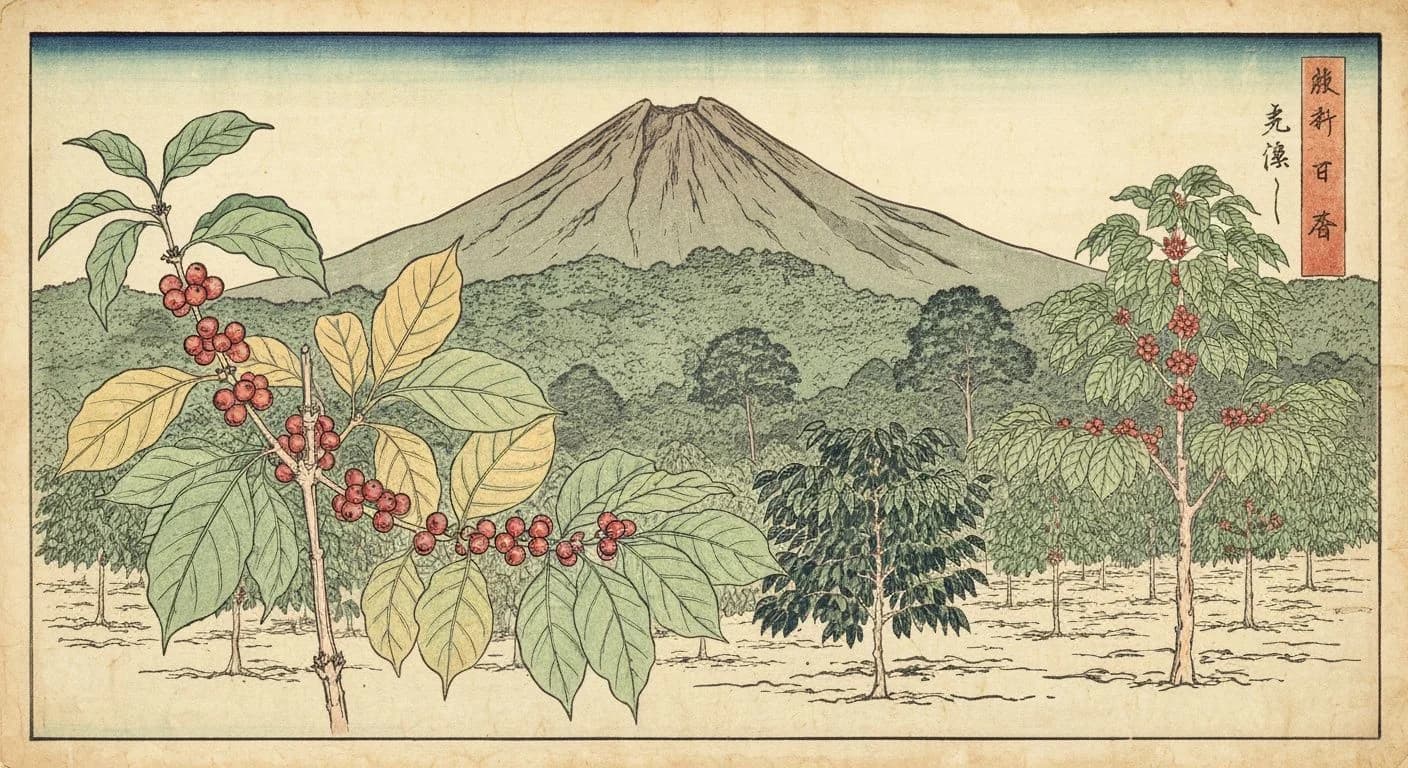
Costa Rica Tarrazu
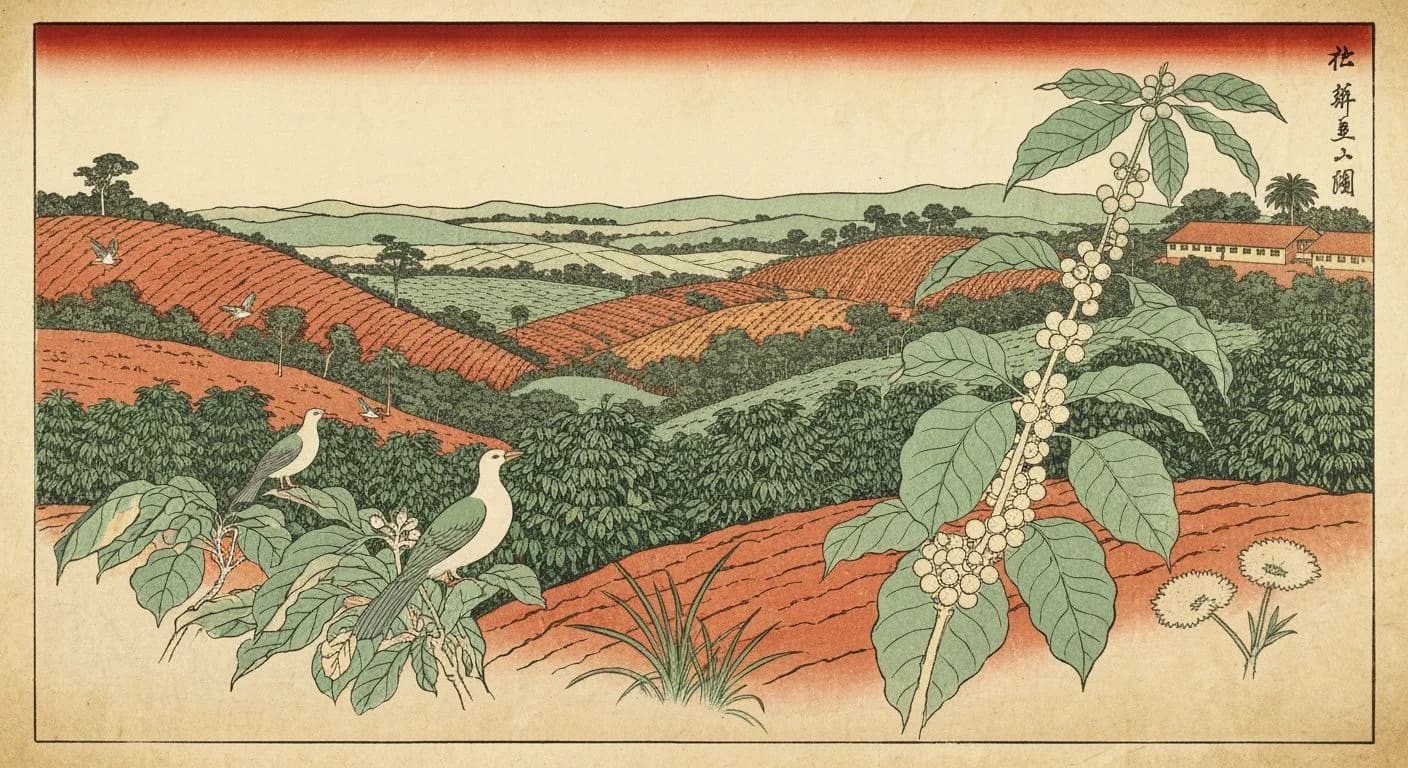
Tarrazu consistently produces some of Central America's finest coffees. High altitudes and rich volcanic soil create bright, complex cups with honey sweetness and citrus acidity.
Flavor Notes
Processing Methods
Coffee Heritage
Costa Rica has been growing coffee since the early 1800s, making it one of the first Central American countries to cultivate the crop commercially. The Tarrazu region, south of San Jose in the mountains of the Dota canton, has been recognized as the country's finest growing area since the mid-20th century. In 2013, Costa Rica enacted a law prohibiting the cultivation of Robusta coffee, making it one of the only countries in the world legally committed to Arabica-only production.
Growing Conditions
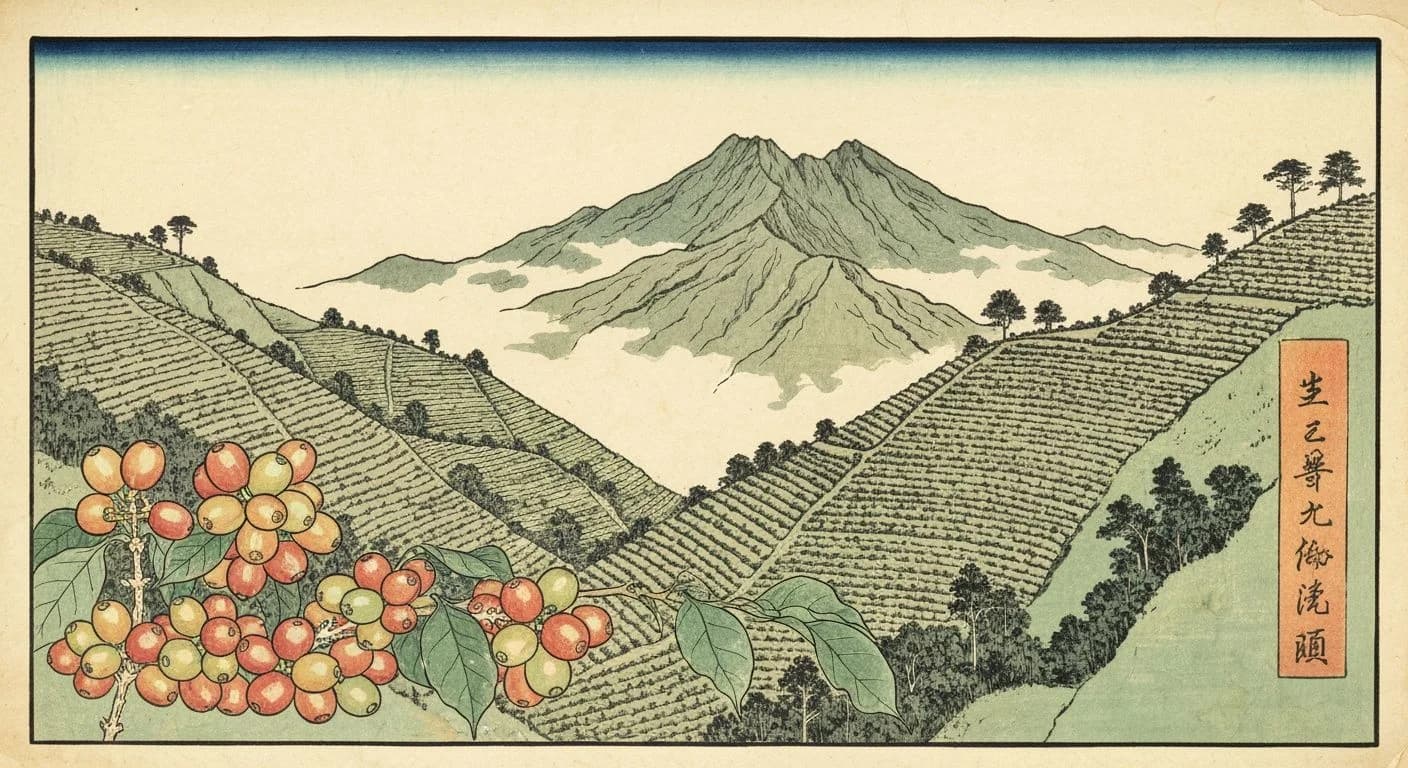
Tarrazu's altitude ranges from 1,200 to 1,900 meters, with steep terrain that ensures excellent drainage. The volcanic soil is mineral-rich, and the dry season from December to March provides ideal conditions for cherry drying. Cool mountain temperatures -- often dropping to 15 degrees Celsius at night -- slow maturation and concentrate flavors. Most farms are small, family-owned operations.
Processing Traditions
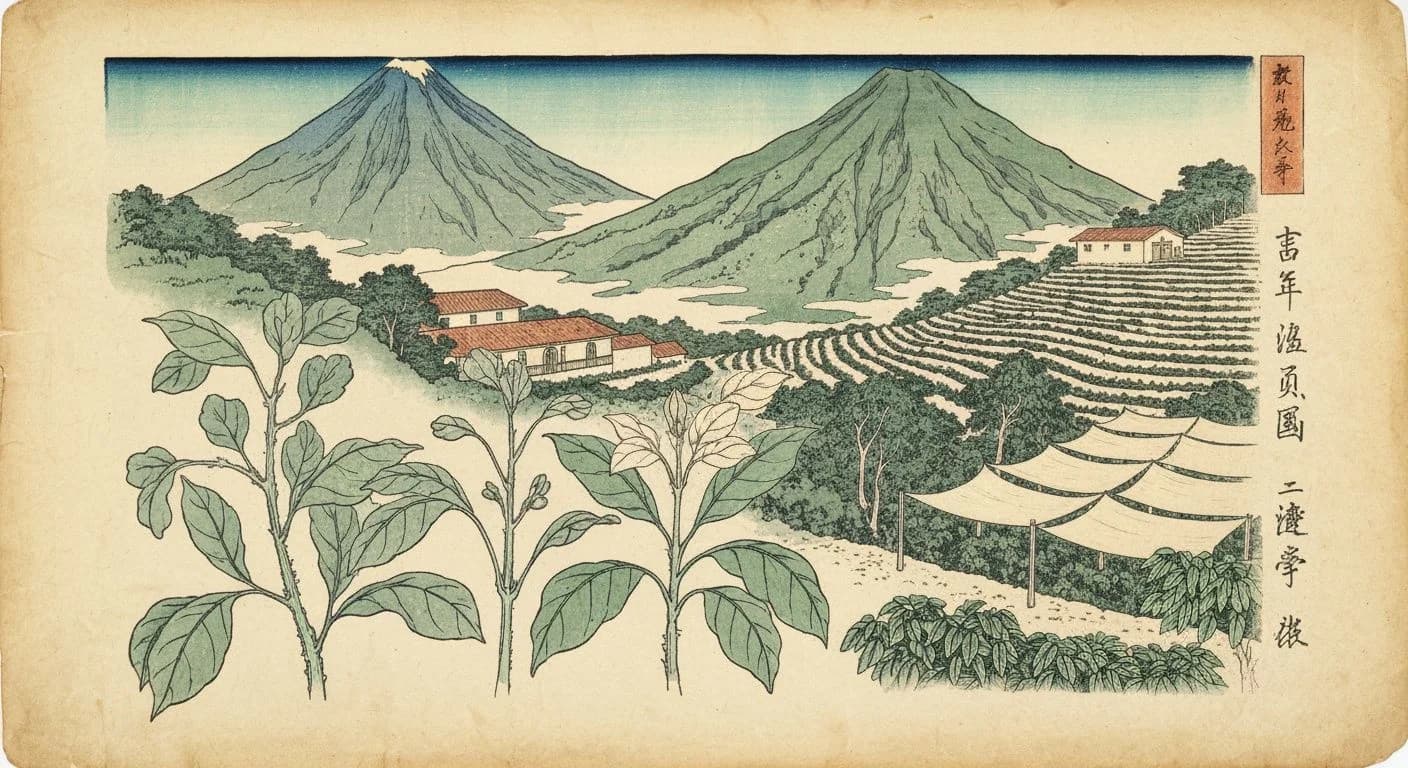
Washed processing has traditionally dominated, but Costa Rica has become a global leader in honey processing innovation. White, yellow, red, and black honey processes (defined by how much mucilage remains on the bean during drying) were pioneered here. Some producers also experiment with anaerobic fermentation in sealed tanks, pushing flavor boundaries.
Flavor Character
- Bright, vibrant acidity with citrus and stone fruit notes
- Honey-like sweetness with brown sugar undertones
- Clean and well-structured with excellent balance
- Medium body that feels silky on the palate
- Finish often reveals peach, apricot, or mandarin orange
What Makes It Special
Tarrazu represents the pinnacle of Central American washed coffee, but its real contribution to the coffee world is honey processing innovation. Costa Rican producers have turned the honey process from a curiosity into a refined technique that now influences farms across Latin America and beyond.
Did you know?
Costa Rica is one of the few countries where growing Robusta coffee is illegal. A 2013 law mandates that only Arabica varieties can be cultivated, ensuring a focus on quality over volume.