Brewing Guides
How you brew changes everything. 15 methods, from the ancient cezve to the modern AeroPress - each with step-by-step instructions, gear lists, and tips.
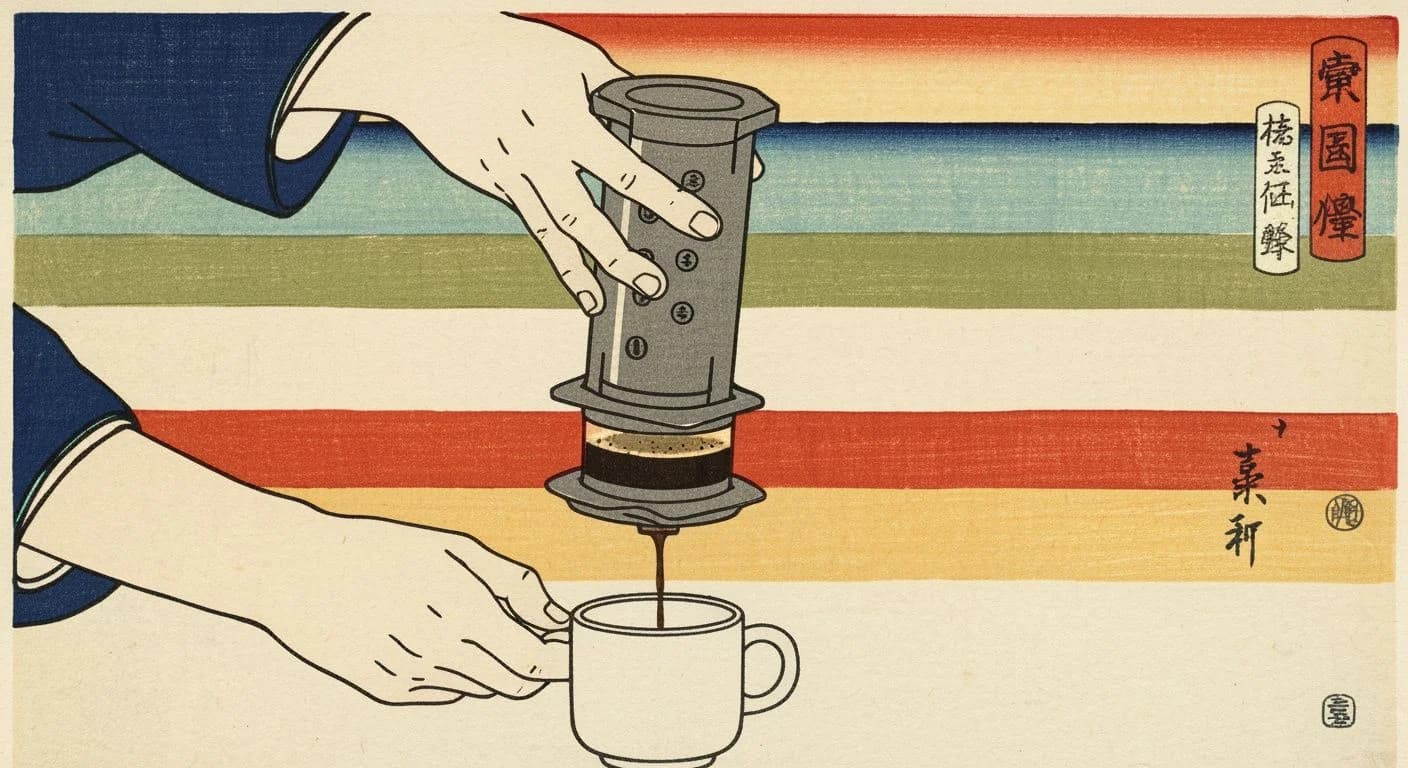
AeroPress
A versatile, portable brewer invented in 2005. Uses air pressure to push water through coffee, producing a clean, concentrated brew. Beloved for experimentation and travel.
Read the full guide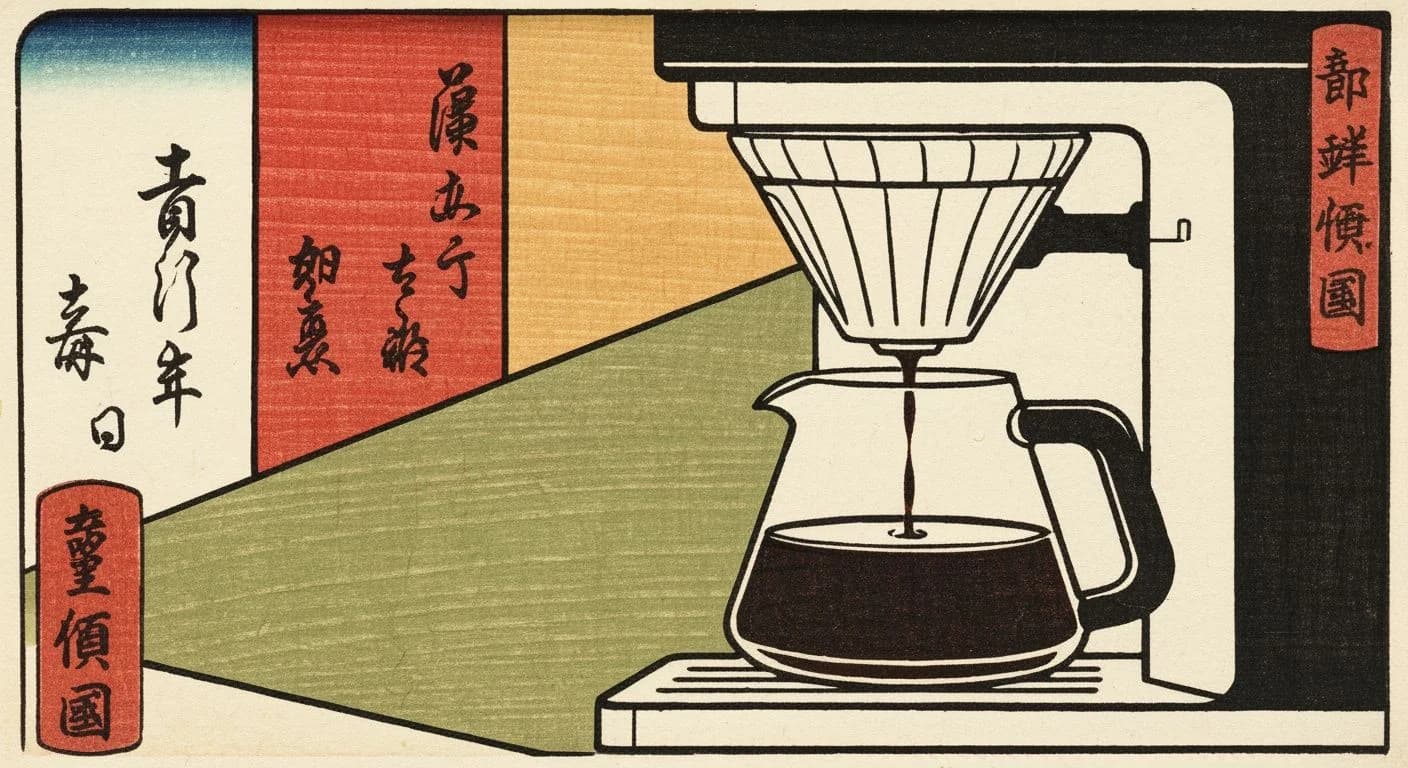
Auto Drip Machine
The most common brewing method worldwide. An electric machine heats water and drips it over a basket of ground coffee into a carafe. Consistent, hands-off, and makes multiple cups at once. Quality varies hugely by machine - SCA-certified brewers hit proper temperature and brew time.
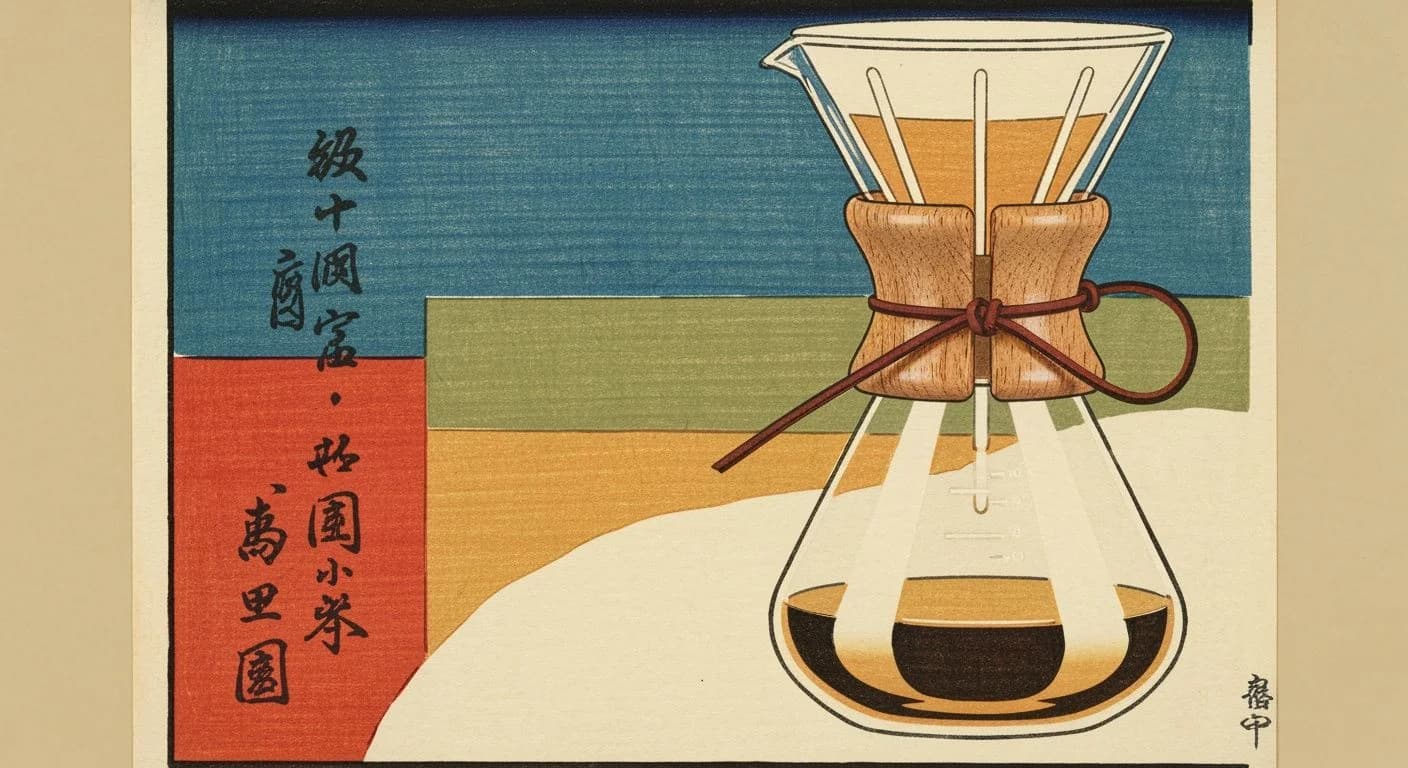
Chemex
An elegant pour-over brewer designed in 1941 by a chemist. The thick bonded paper filter removes oils and sediment, producing an exceptionally clean, bright, tea-like cup. The hourglass glass carafe is in the permanent collection at MoMA.
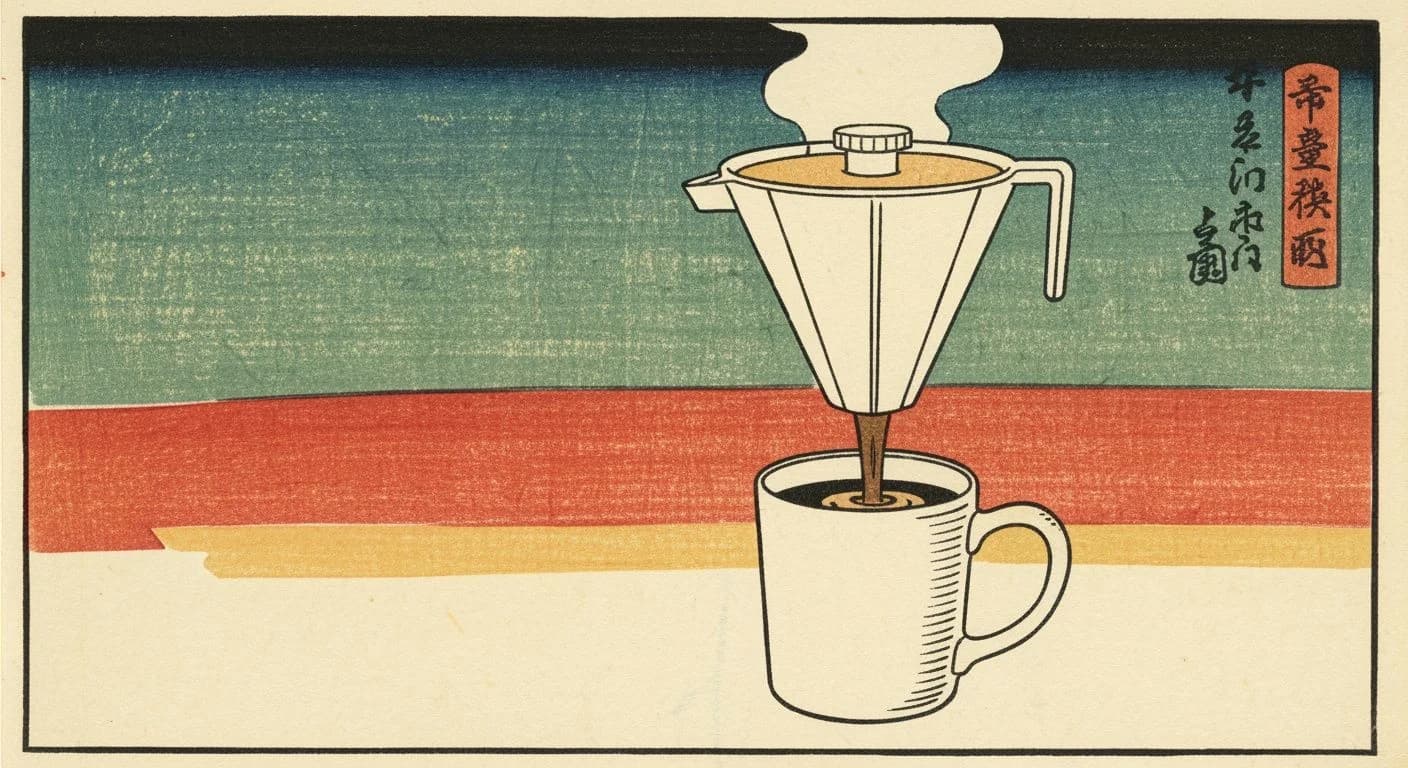
Clever Dripper
A hybrid immersion-drip brewer. Coffee steeps in the closed chamber like a French Press, then a valve releases when placed on a cup, filtering through paper. Combines the body of immersion with the clarity of paper filtration. Extremely beginner-friendly.
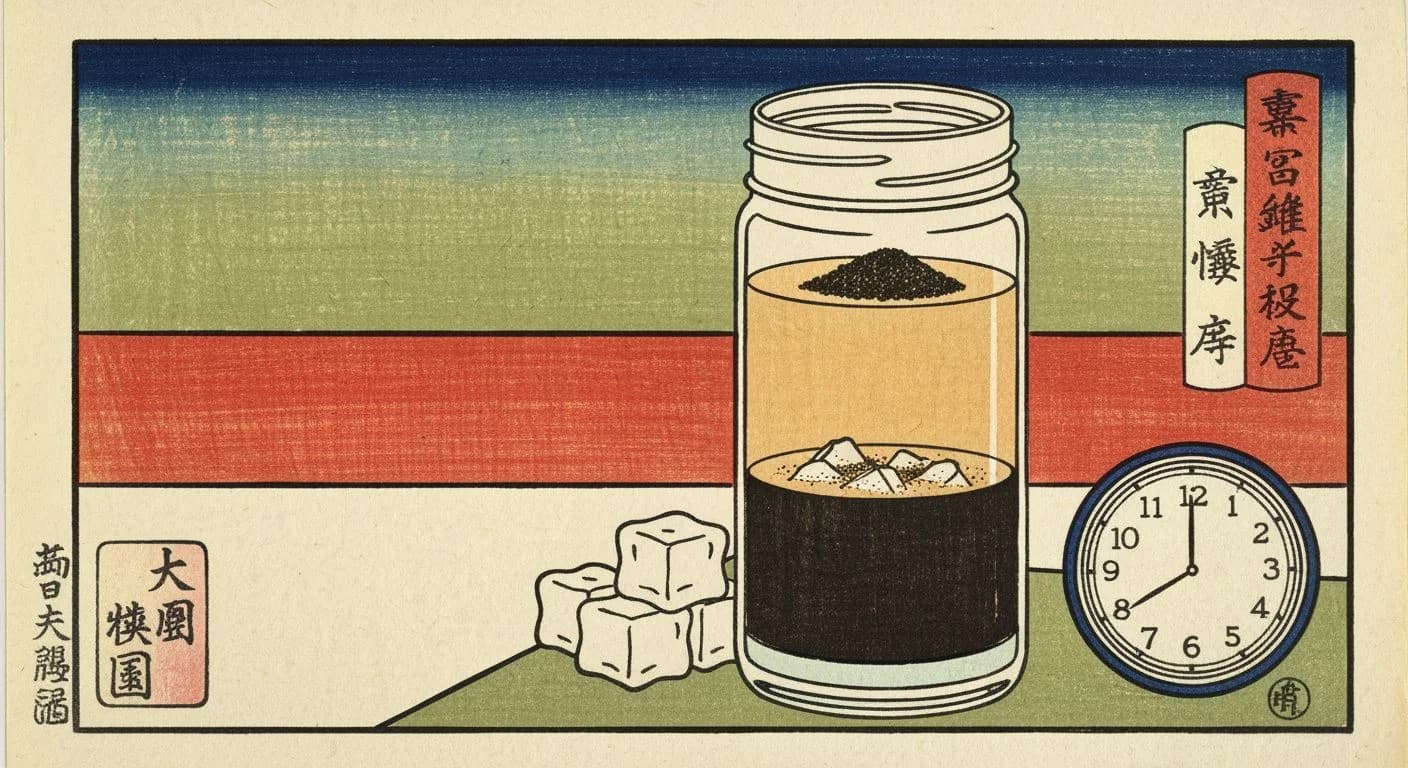
Cold Brew
Coarse coffee steeped in cold water for 12-24 hours. The long, slow extraction produces a smooth, low-acid concentrate that's naturally sweet and refreshing over ice.
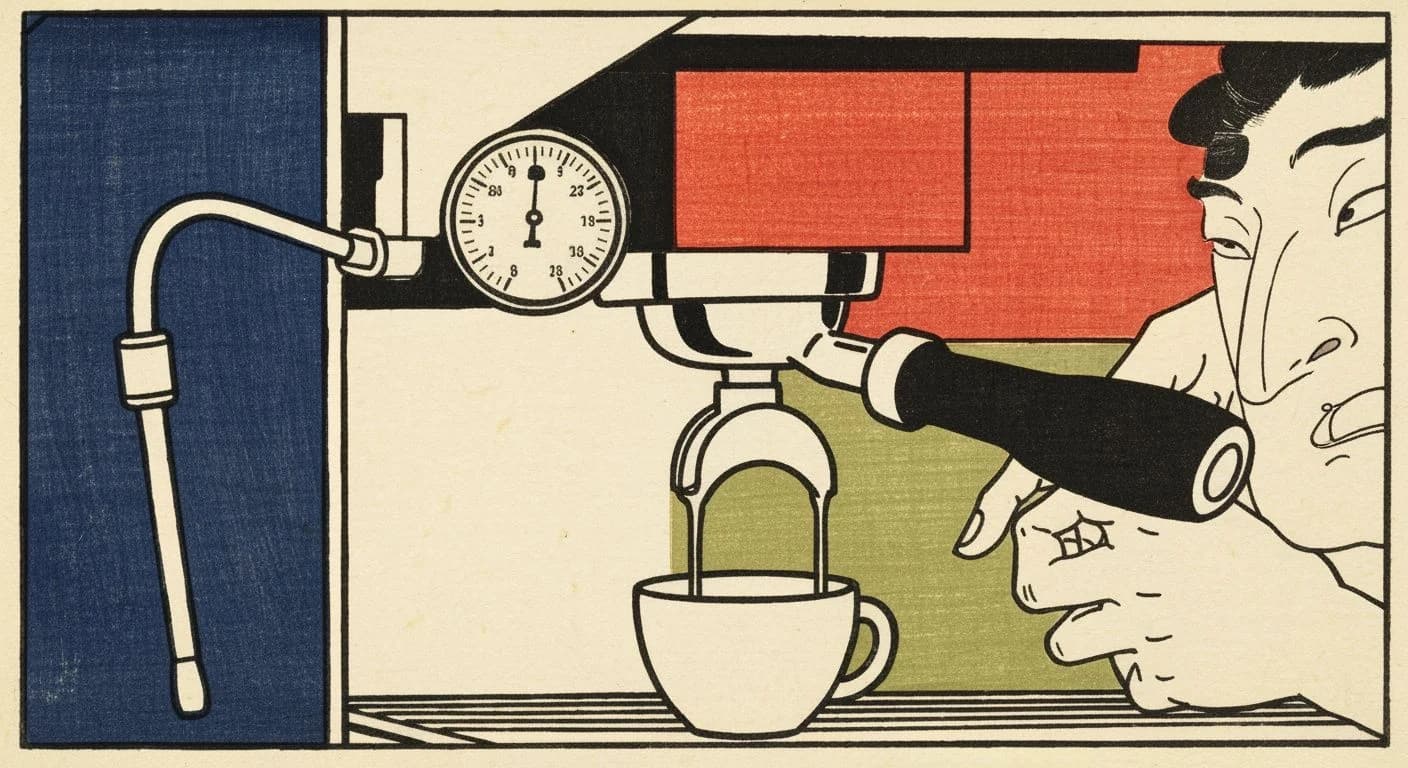
Espresso
High-pressure extraction that forces hot water through finely ground coffee. The foundation of lattes, cappuccinos, and flat whites. Produces an intense, concentrated shot with crema.
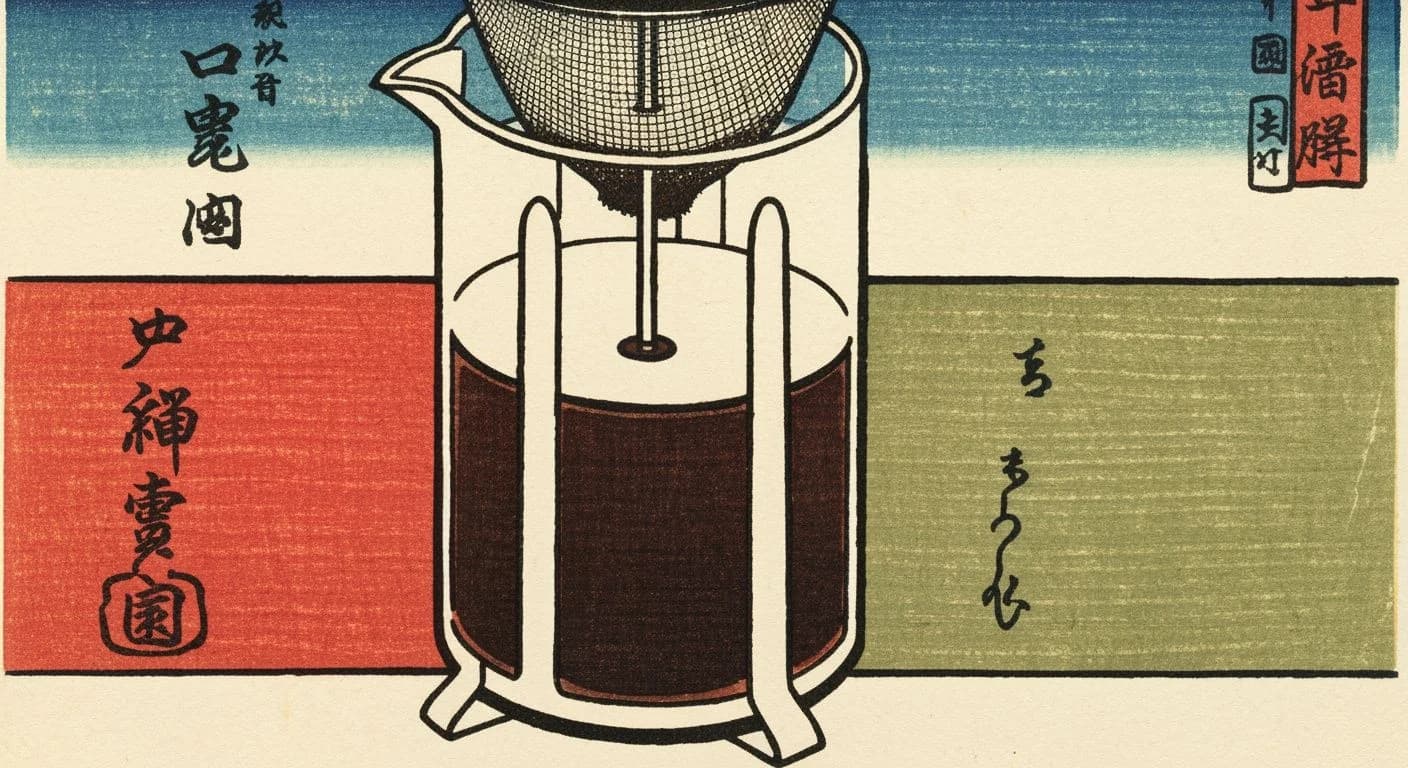
French Press
Full-immersion brewing that produces a rich, heavy-bodied cup. The metal mesh filter allows oils and fine particles through, creating a distinctively full mouthfeel.
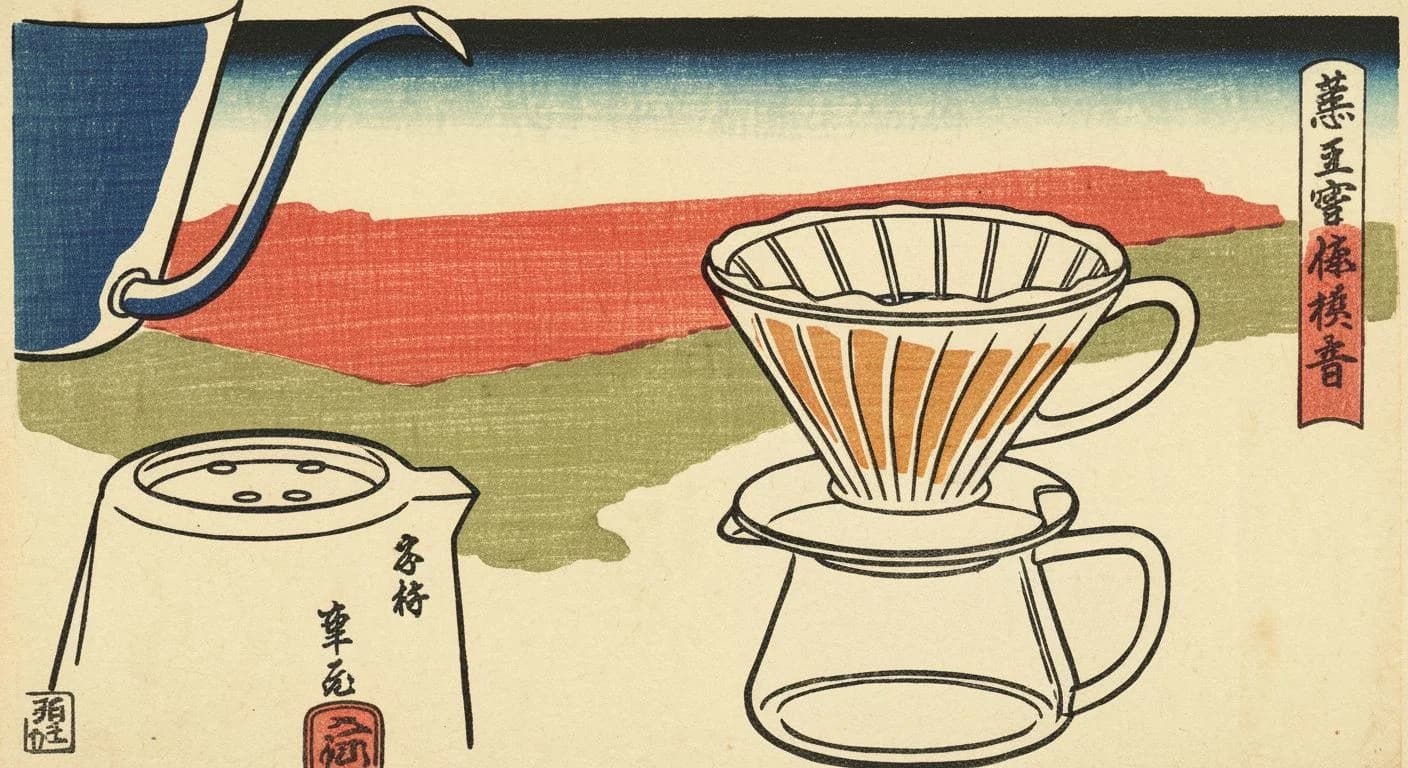
Kalita Wave
A flat-bottom pour-over dripper from Japan. The wave-shaped paper filter and three small drain holes create a more even extraction than cone drippers. Forgiving technique makes it a great step up from auto-drip.
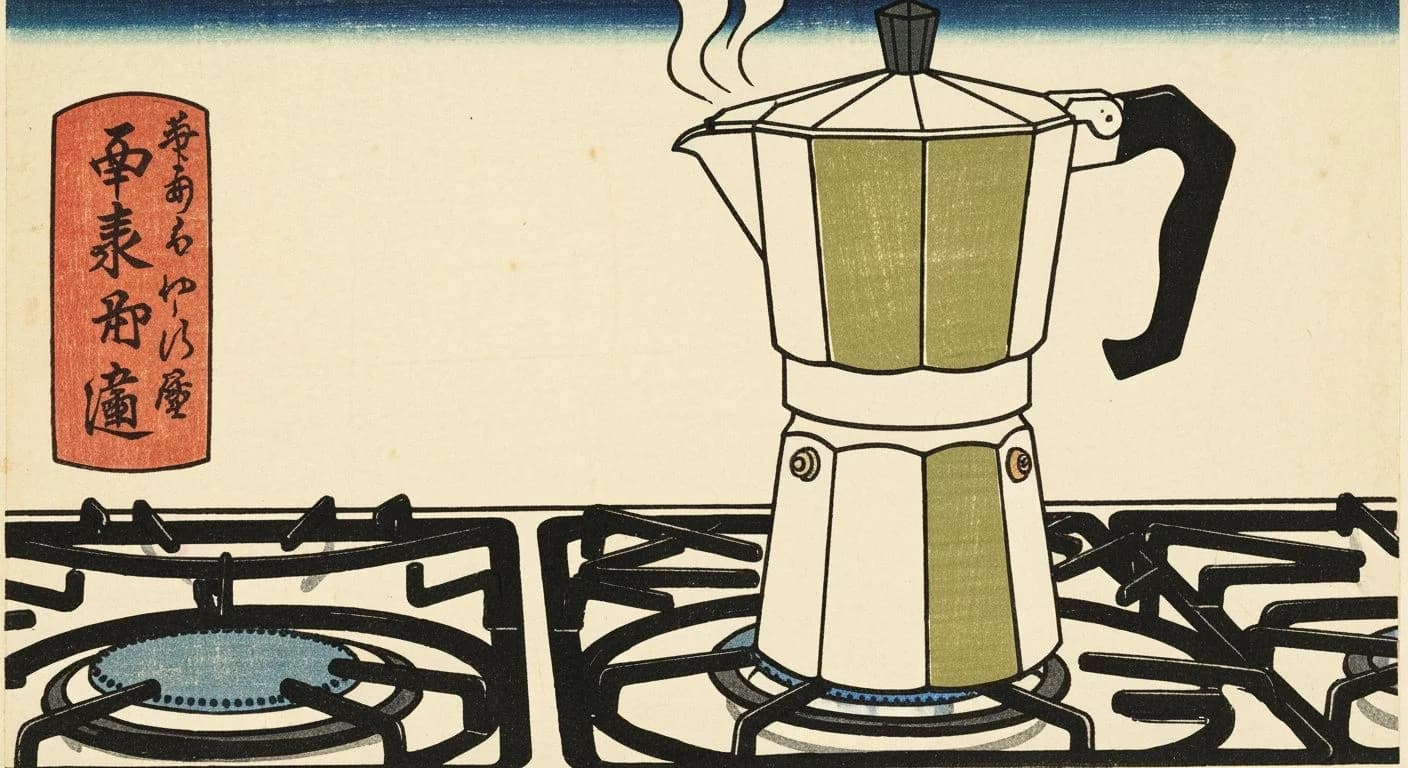
Moka Pot
An Italian stovetop brewer that makes rich, espresso-like coffee. Simple, affordable, and produces a bold cup.
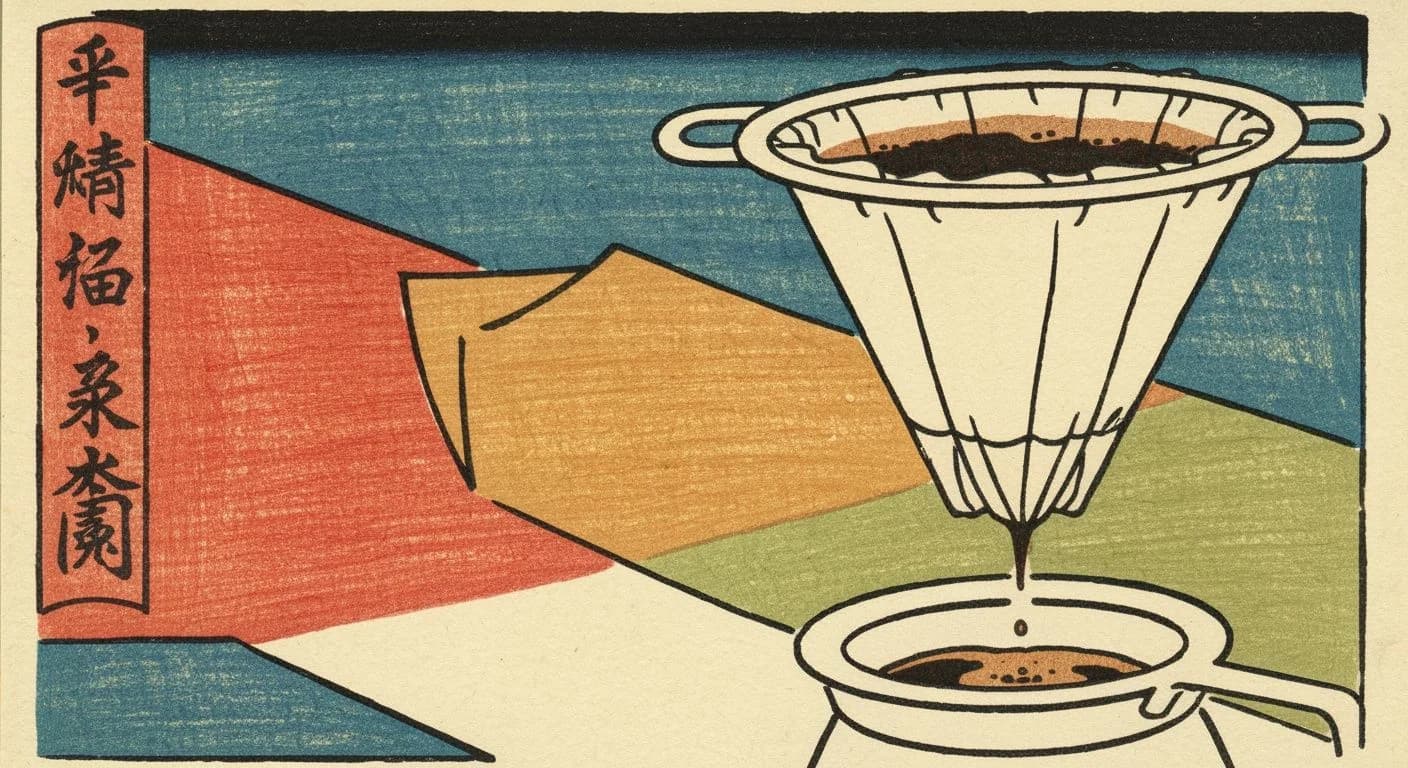
Nel Drip (Flannel)
The original pour-over method, predating paper filters by centuries. Coffee is brewed through a reusable flannel cloth filter, producing a cup with more body than paper but cleaner than metal mesh. Revered in Japanese kissaten coffee shops.
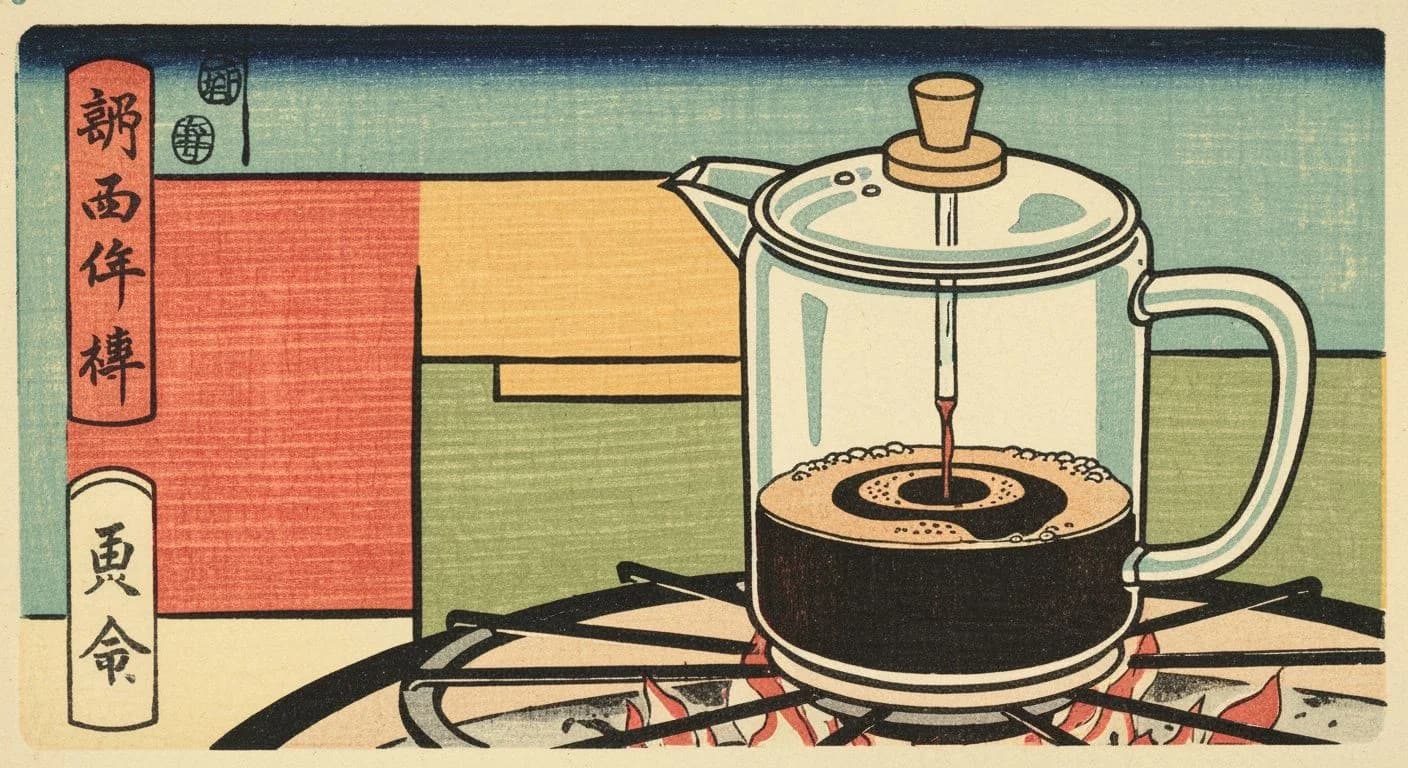
Percolator
A stovetop or electric brewer that cycles boiling water through coffee grounds repeatedly. Popular from the 1880s through the 1970s and still beloved for camping and large batches. Produces a bold, strong cup.
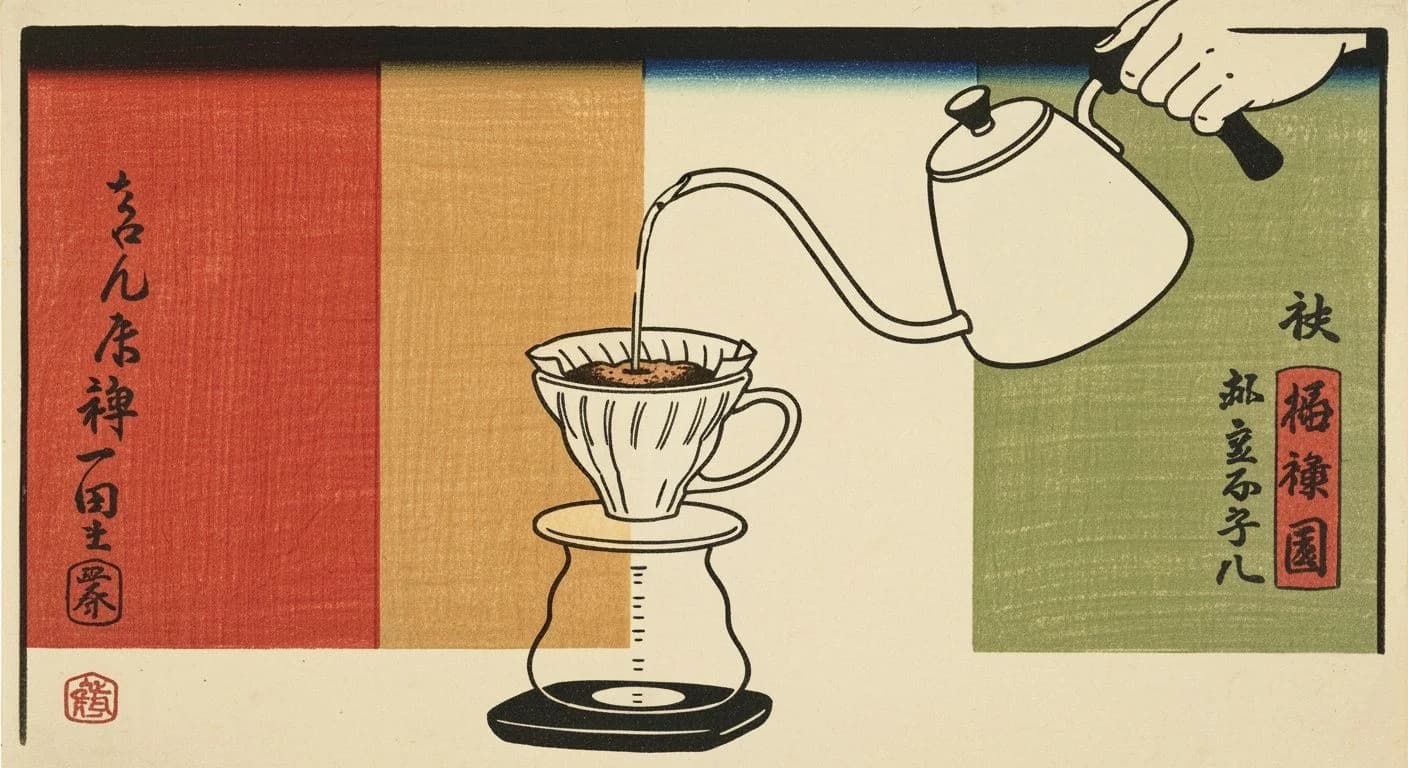
Pour Over (V60)
The Hario V60 is the gold standard of pour-over brewing. Its spiral ridges and large single hole allow the brewer to control flow rate and extraction, revealing a coffee's nuanced flavors.
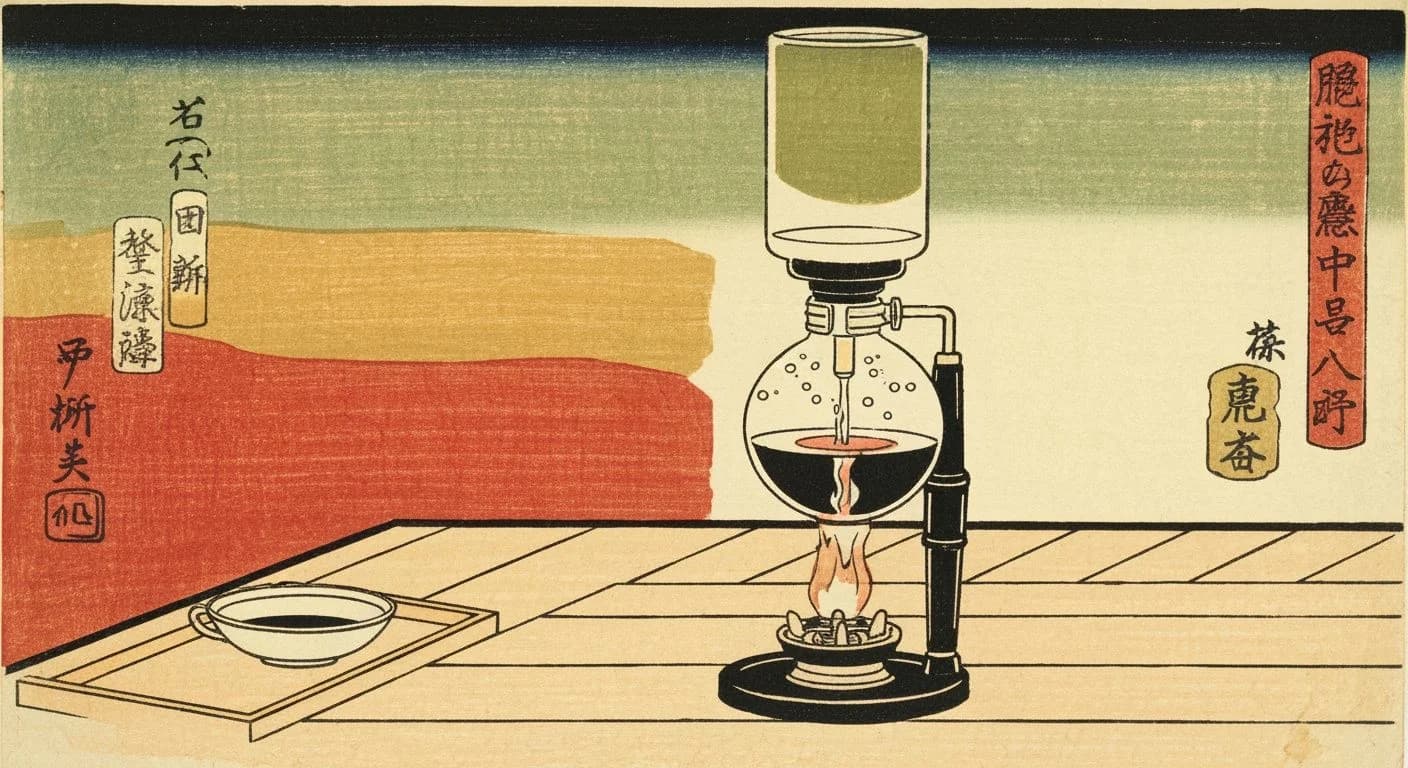
Siphon (Vacuum Pot)
A theatrical brewing method using vacuum pressure. Water is heated in a lower chamber, rises to an upper chamber to brew, then filters back down. Produces a remarkably clean, tea-like cup.
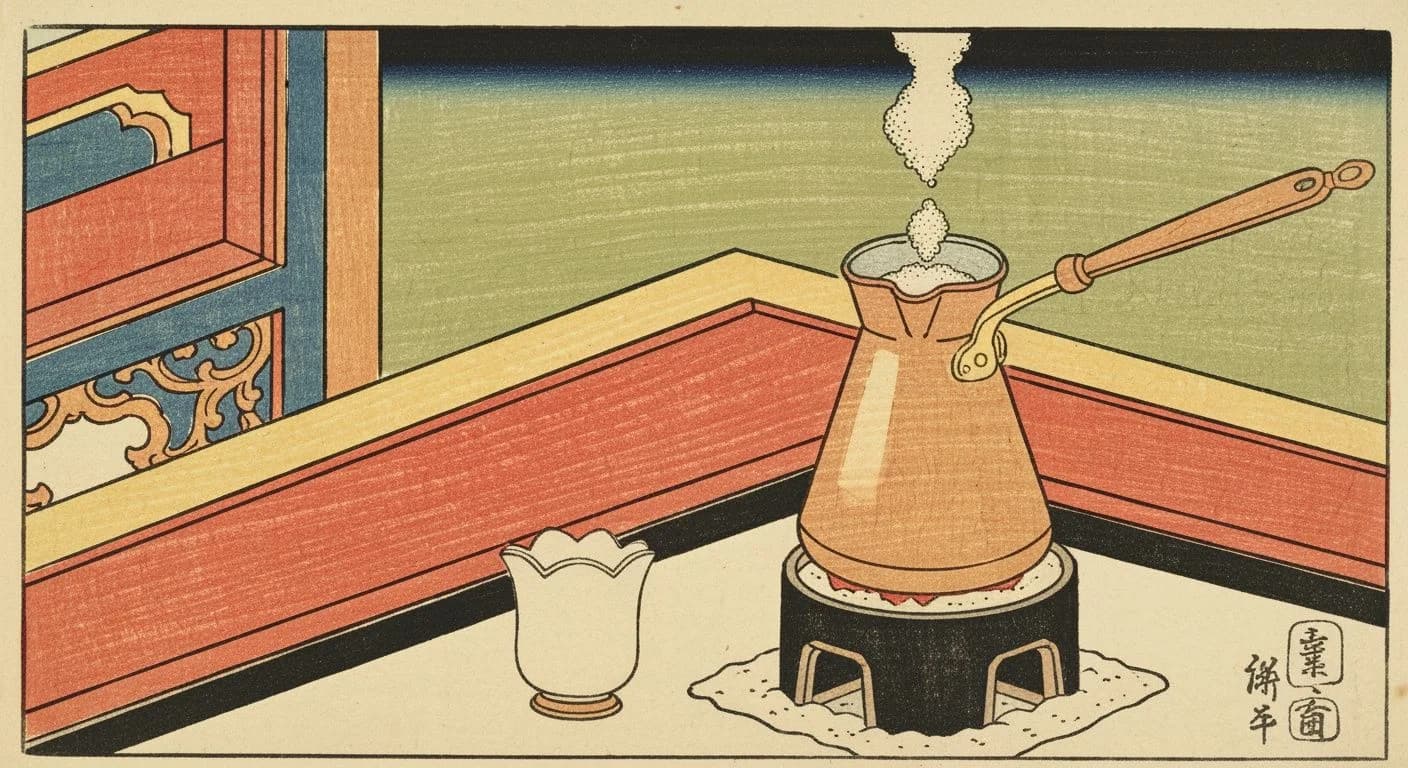
Turkish Coffee (Cezve)
One of the oldest brewing methods in the world. Ultra-finely ground coffee is simmered in a small copper or brass pot (cezve/ibrik) with water and sugar. Produces an intensely rich, thick cup with sediment at the bottom. Central to coffee culture in Turkey, Greece, the Middle East, and North Africa.
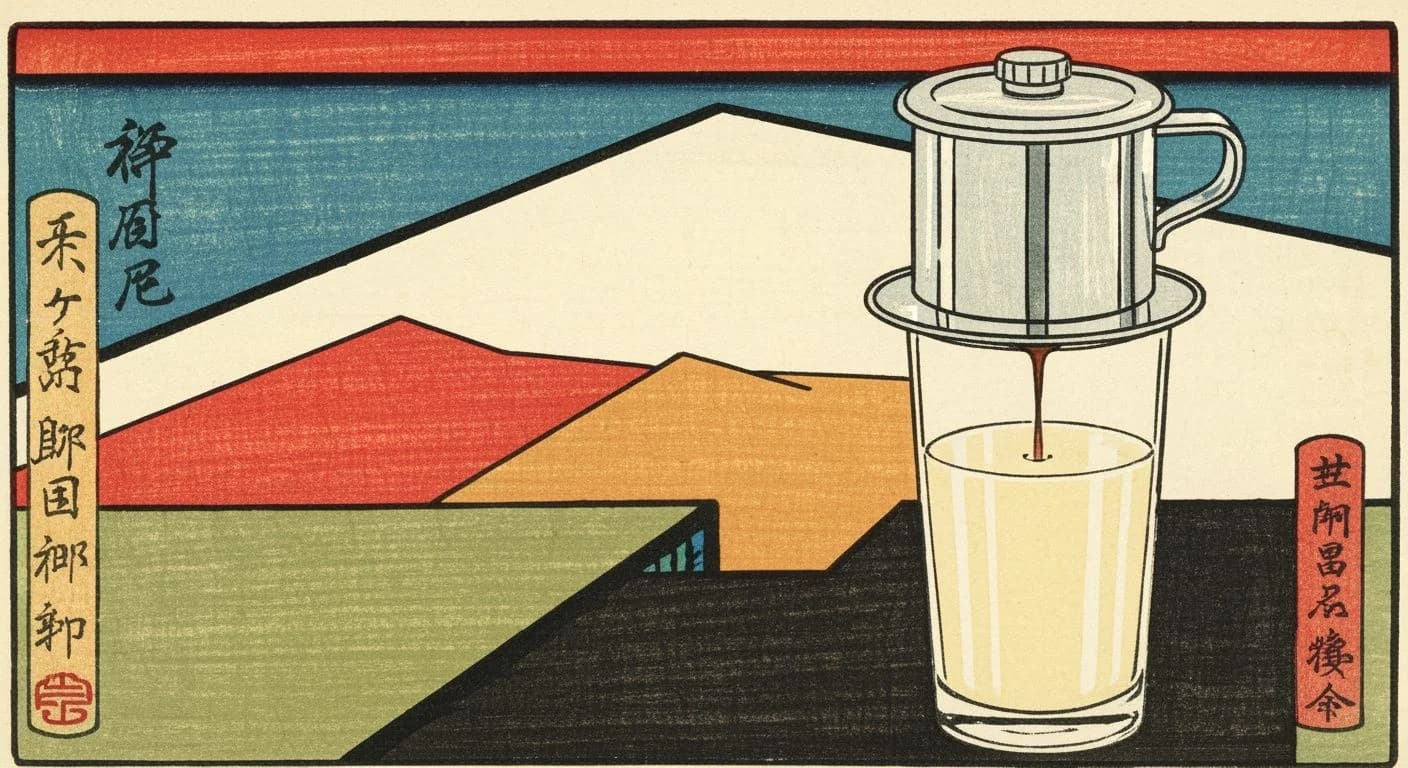
Vietnamese Phin
A single-cup gravity drip brewer that sits directly on your cup. The slow drip through a metal filter produces a strong, concentrated brew traditionally served over sweetened condensed milk (ca phe sua da) or black over ice. Simple, portable, and iconic.