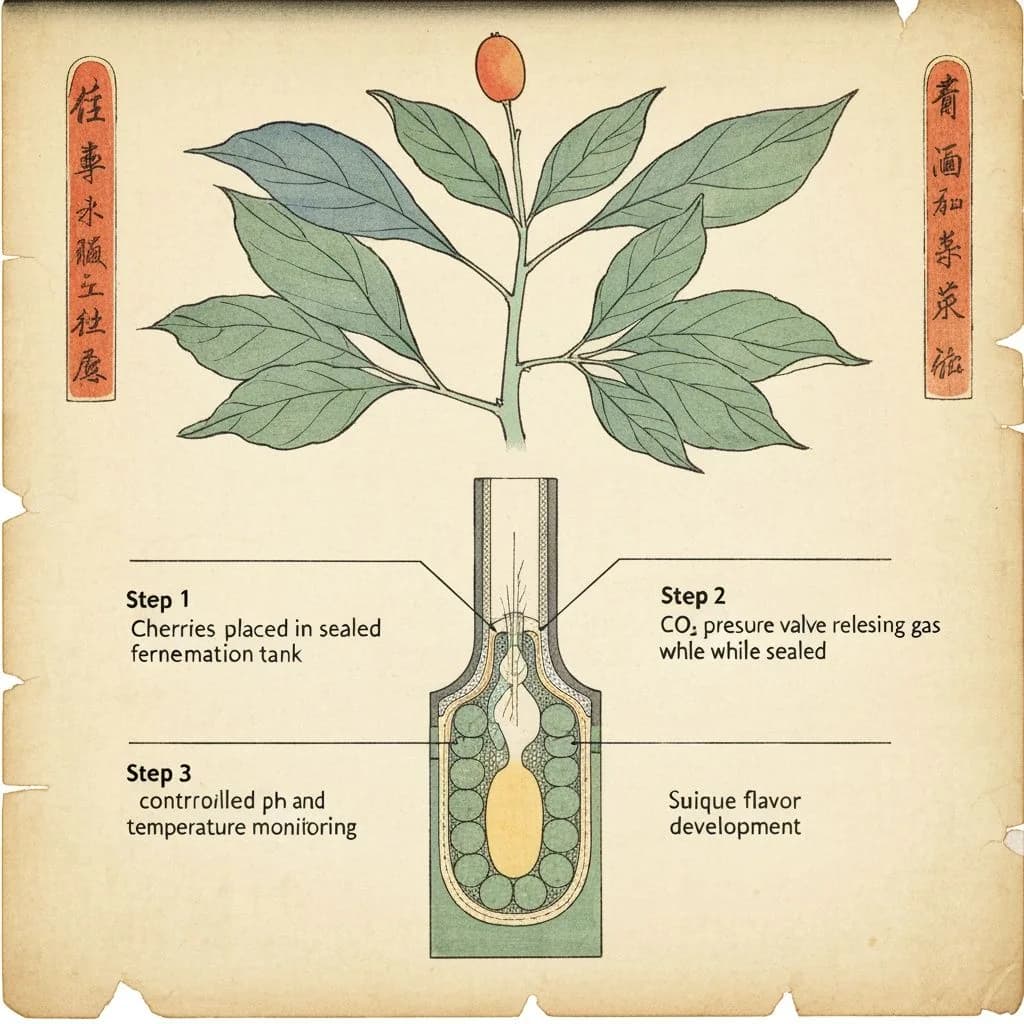
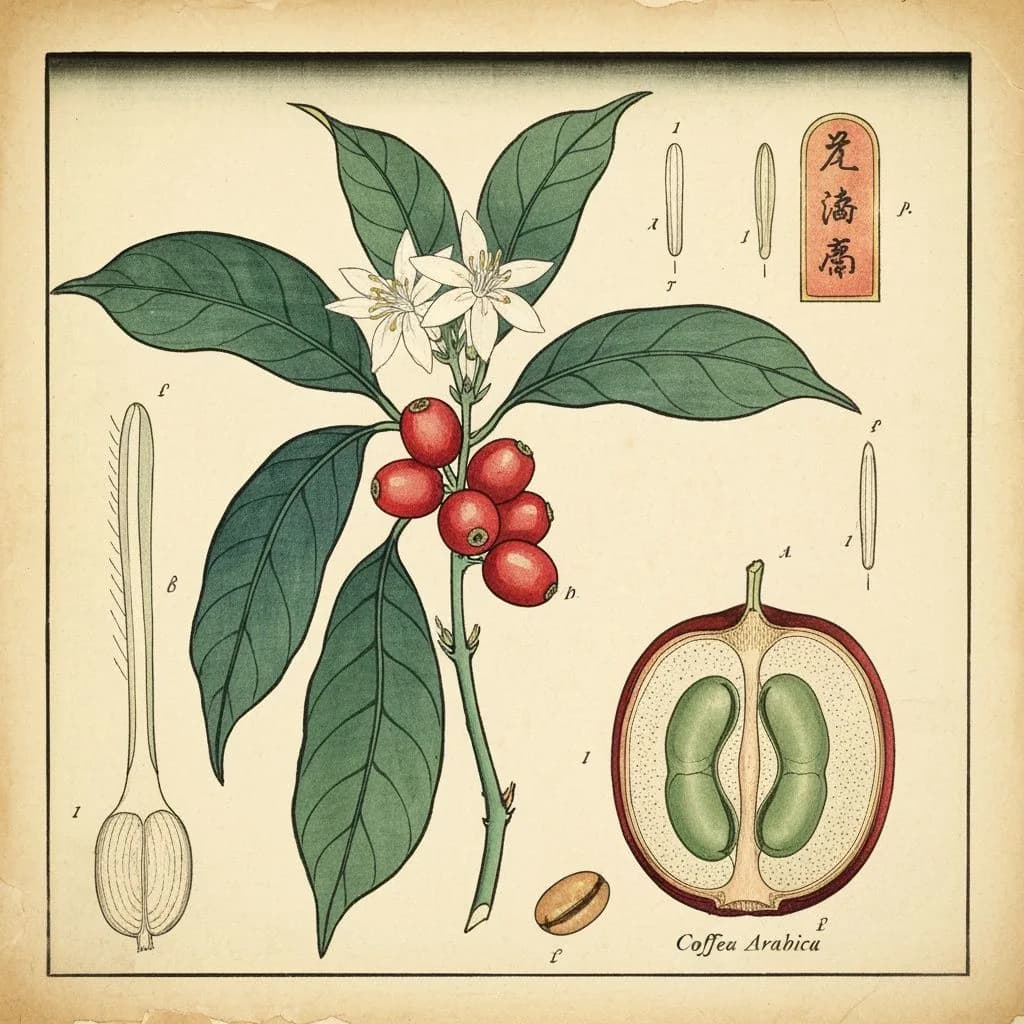
Anaerobic Fermentation - botanical illustration showing processing stages

Anaerobic Fermentation

ProcessingArabica

Anaerobic fermentation involves sealing coffee cherries or parchment in airtight tanks or barrels, creating an oxygen-free environment. This controlled fermentation produces unique, intensely flavored coffees with funky, boozy, or tropical notes.

How Anaerobic Fermentation Works

1

Cherry Selection

Only peak-ripeness cherries are selected. Quality control is even more critical than standard processing because fermentation amplifies both good and bad flavors.

2

Sealed Fermentation

Cherries (or depulped beans) are placed in sealed, oxygen-free fermentation tanks. One-way CO2 valves allow gas to escape without letting oxygen in.

3

Controlled Environment

Temperature, pH, and time are carefully monitored. Fermentation typically runs 48-96 hours at controlled temperatures. Some producers add specific yeast cultures or fruit to the tank.

4

Post-Fermentation

After the target pH is reached, beans are removed and processed through either washed or natural pathways for drying.

Flavor Profile

Anaerobic fermentation produces intensely aromatic coffees with flavors impossible to achieve through traditional processing. Common notes include tropical fruit, candy, cinnamon, bubblegum, rum, and funky fermented qualities. The best examples are clean and complex; poor examples taste boozy or vinegary.

Key Producers

  • Colombia - Leading innovation in anaerobic techniques, especially in Huila and Nariño
  • Costa Rica - Combining anaerobic with honey processing for layered sweetness
  • Ethiopia - Anaerobic naturals from Guji producing extraordinary fruit bombs

When to Choose Anaerobic

These coffees are conversation starters - best enjoyed as pour-over or espresso where their unique aromatics can be fully appreciated. Not for everyday drinking; save them for when you want something extraordinary.

Did you know?

Anaerobic processing has revolutionized competition coffee - multiple World Barista Championship winners have used anaerobically processed beans.

Related
Frequently Asked Questions

What does Anaerobic Fermentation taste like?
Anaerobic Fermentation is known for tropical, boozy, funky, intense flavor notes. It has a ## how anaerobic fermentation works **step 1: cherry selection** - only peak-ripeness cherries are selected. quality control is even more critical than standard processing because fermentation amplifies both good and bad flavors. **step 2: sealed fermentation** - cherries (or depulped beans) are placed in sealed, oxygen-free fermentation tanks. one-way co2 valves allow gas to escape without letting oxygen in. **step 3: controlled environment** - temperature, ph, and time are carefully monitored. fermentation typically runs 48-96 hours at controlled temperatures. some producers add specific yeast cultures or fruit to the tank. **step 4: post-fermentation** - after the target ph is reached, beans are removed and processed through either washed or natural pathways for drying. ## flavor profile anaerobic fermentation produces intensely aromatic coffees with flavors impossible to achieve through traditional processing. common notes include tropical fruit, candy, cinnamon, bubblegum, rum, and funky fermented qualities. the best examples are clean and complex; poor examples taste boozy or vinegary. ## key producers - **colombia** - leading innovation in anaerobic techniques, especially in huila and nariño - **costa rica** - combining anaerobic with honey processing for layered sweetness - **ethiopia** - anaerobic naturals from guji producing extraordinary fruit bombs ## when to choose anaerobic these coffees are conversation starters - best enjoyed as pour-over or espresso where their unique aromatics can be fully appreciated. not for everyday drinking; save them for when you want something extraordinary. body.
What is the best way to brew Anaerobic Fermentation?
Anaerobic Fermentation performs best with pour over, chemex. These methods complement the bean's natural characteristics and extract the most balanced flavor. Experiment with grind size and water temperature to dial in your preferred taste.
Where is Anaerobic Fermentation coffee grown?
Anaerobic Fermentation is primarily grown in Colombia, Costa Rica, Kenya. The terroir of these regions -- altitude, soil composition, rainfall, and microclimate -- directly shapes the bean's flavor profile and determines which tasting notes develop during growth and processing.

Researched and compiled by CoffeeTrove. Last updated March 2026.