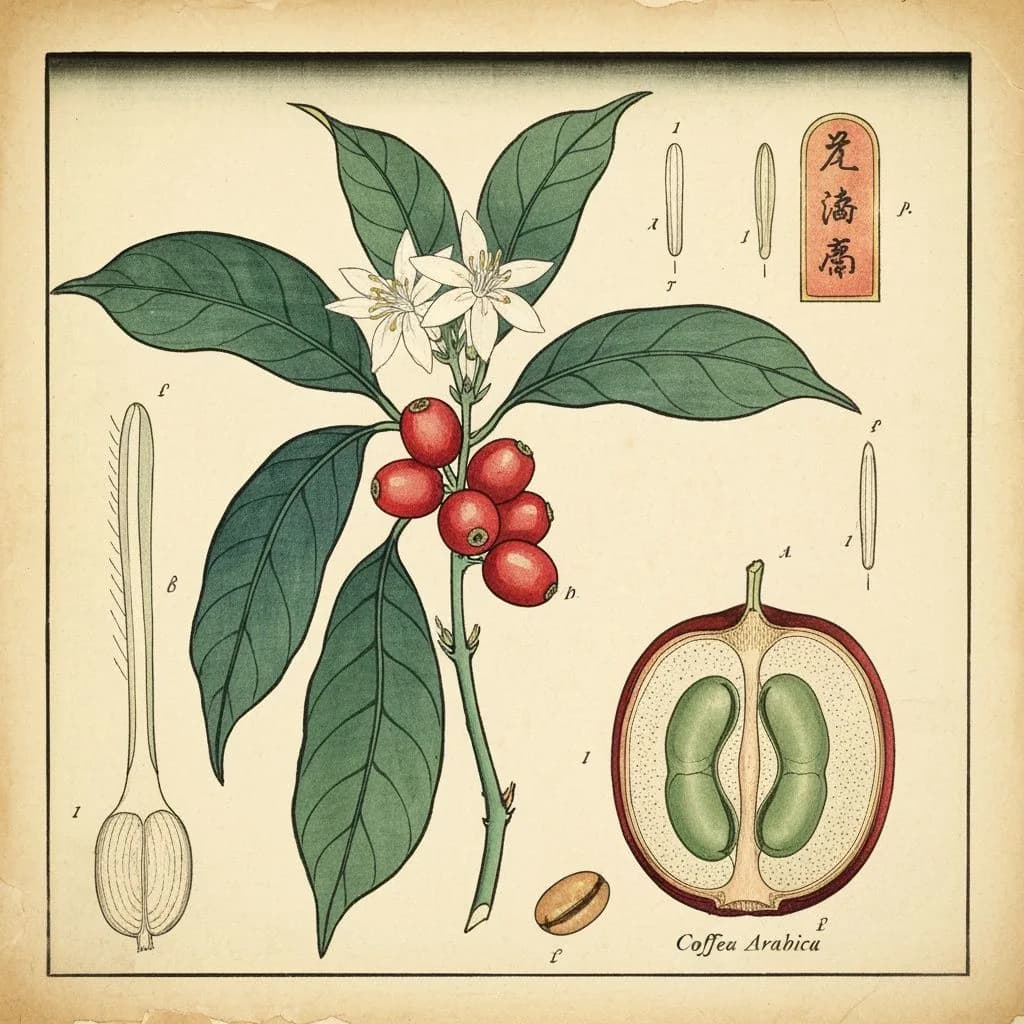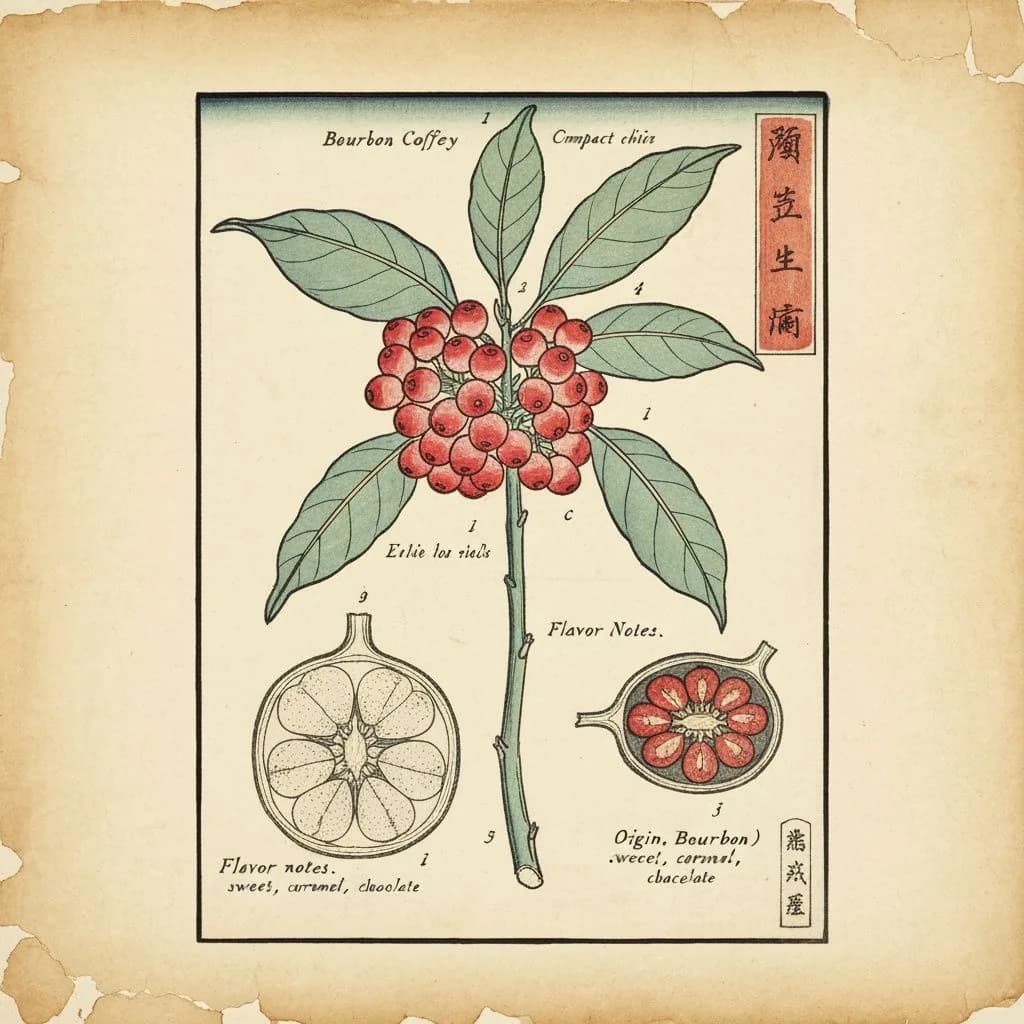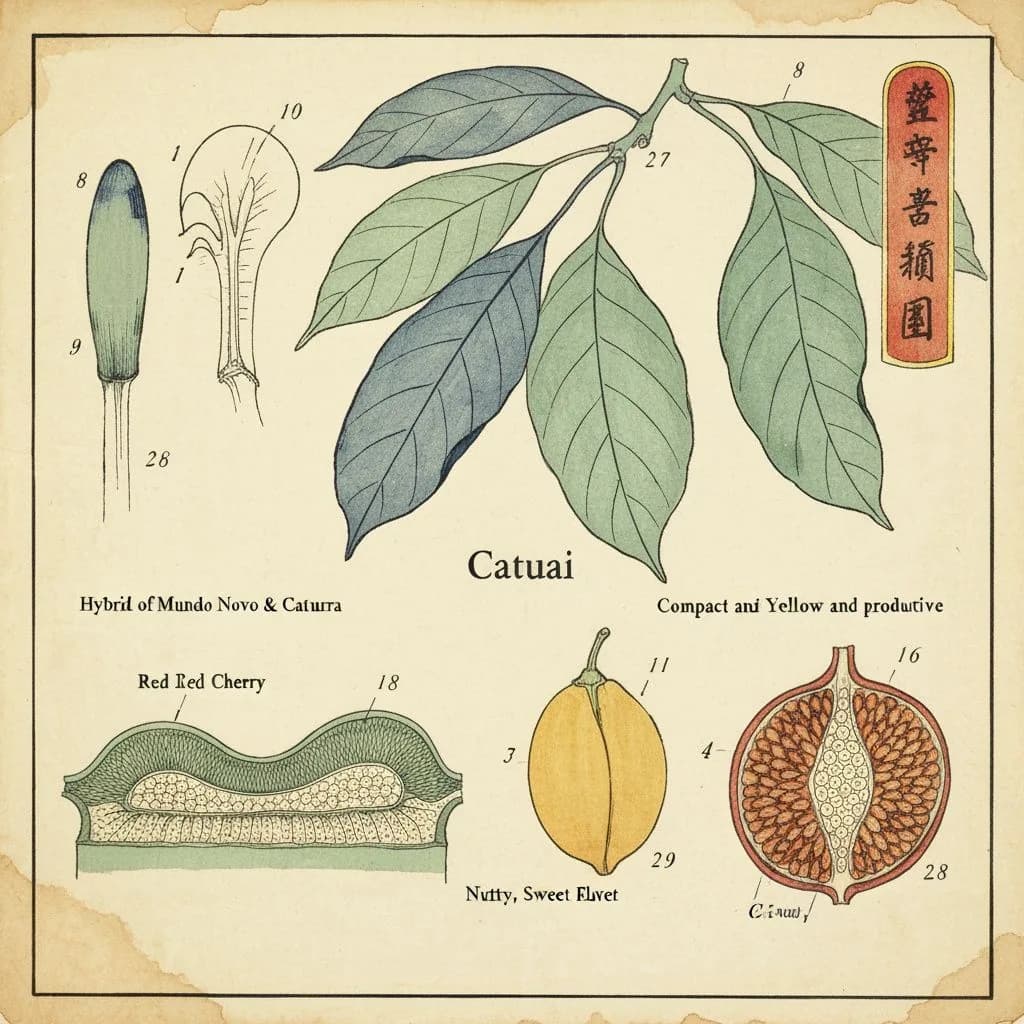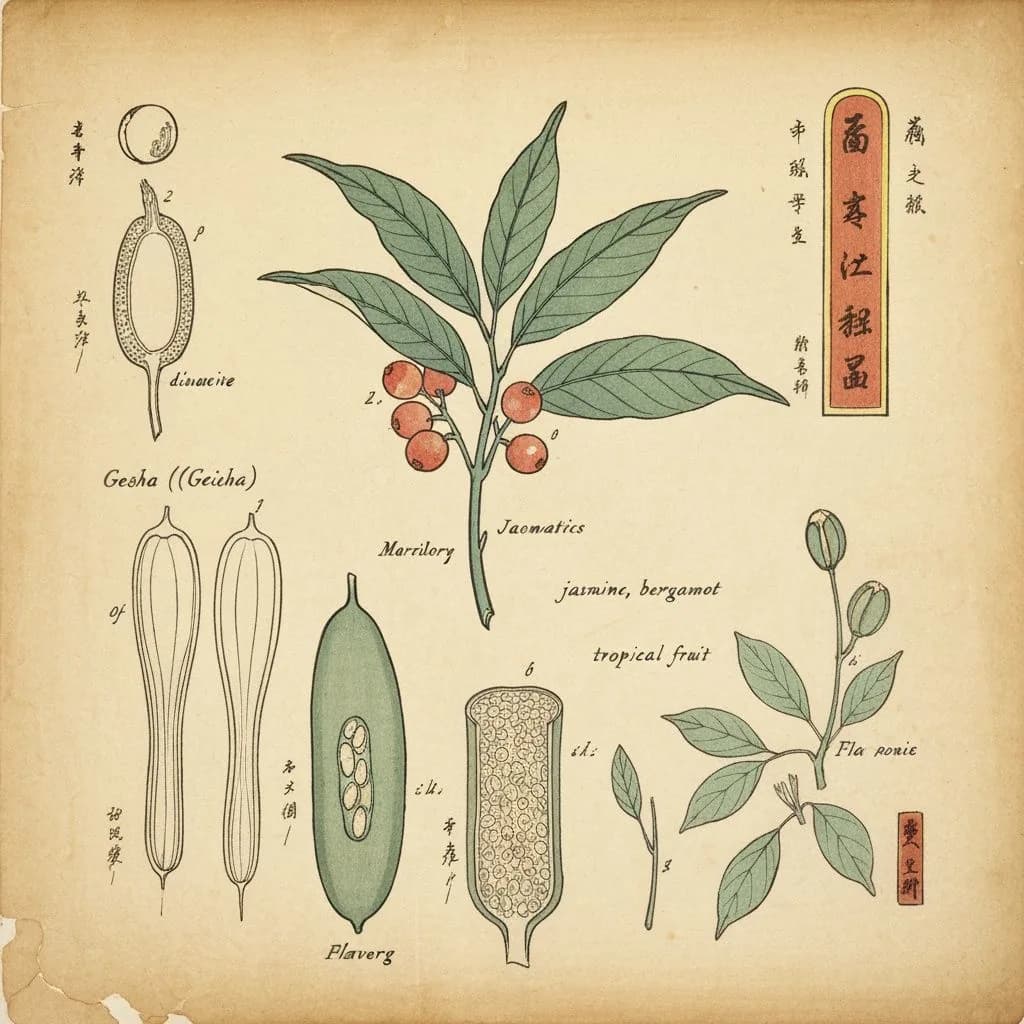
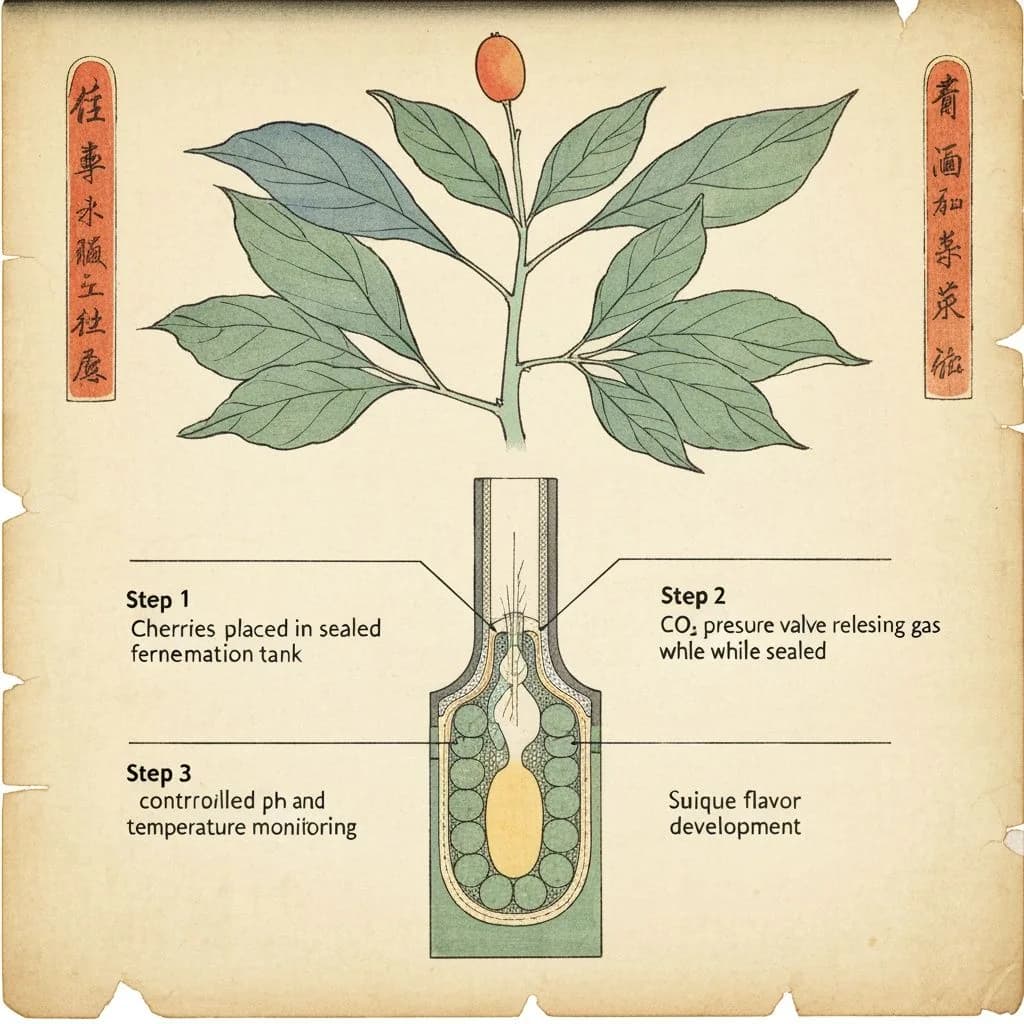
Gesha (Geisha) - botanical illustration showing plant characteristics and bean cross-section

Gesha (Geisha)

VarietyArabicaLow Caffeine

Gesha is considered by many to be the finest coffee variety in the world. Originally from the Gesha village in Ethiopia, it gained fame in 2004 when a Panamanian farm's Gesha won a competition with unprecedented scores. Characterized by jasmine-like aromatics and complex fruit flavors.

Growing Altitude

1500-2000m

About Gesha (Geisha)

Gesha is widely considered the most extraordinary coffee variety in the world. Originally collected from the Gesha village area in southwestern Ethiopia, it was brought to Costa Rica and Panama in the 1960s as a disease-resistant variety. Its flavor potential went unrecognized until 2004, when Hacienda La Esmeralda in Panama entered it in the Best of Panama competition and stunned the judges.

Characteristics

  • Plant: Tall, elongated leaves and branches, low yield
  • Bean: Distinctively elongated shape
  • Altitude: Performs best above 1,500 meters
  • Price: The most expensive coffee in the world - auction lots regularly exceed $100-1,000 per pound

Flavor Profile

At its best, Gesha tastes like no other coffee. Intense jasmine and bergamot aromatics, tropical fruit sweetness (mango, peach, passion fruit), tea-like body, and an extraordinarily long, perfumed finish. The complexity is closer to a fine wine than a typical cup of coffee.

Key Origins

  • Panama (Boquete) - Where the Gesha revolution began
  • Ethiopia (original Gesha forest) - Wild Gesha with raw, untamed character
  • Colombia - Emerging Gesha producers in Huila and Nariño
  • Costa Rica - High-altitude farms producing exceptional Geshas

Did you know?

In 2022, a lot of Gesha coffee sold for over $2,000 per pound at auction, making it one of the most expensive coffees ever.

Related
Frequently Asked Questions

What does Gesha (Geisha) taste like?
Gesha (Geisha) is known for jasmine, bergamot, tropical fruit, honey flavor notes. It has a ## about gesha (geisha) gesha is widely considered the most extraordinary coffee variety in the world. originally collected from the gesha village area in southwestern ethiopia, it was brought to costa rica and panama in the 1960s as a disease-resistant variety. its flavor potential went unrecognized until 2004, when hacienda la esmeralda in panama entered it in the best of panama competition and stunned the judges. ## characteristics - **plant**: tall, elongated leaves and branches, low yield - **bean**: distinctively elongated shape - **altitude**: performs best above 1,500 meters - **price**: the most expensive coffee in the world - auction lots regularly exceed $100-1,000 per pound ## flavor profile at its best, gesha tastes like no other coffee. intense jasmine and bergamot aromatics, tropical fruit sweetness (mango, peach, passion fruit), tea-like body, and an extraordinarily long, perfumed finish. the complexity is closer to a fine wine than a typical cup of coffee. ## key origins - **panama (boquete)** - where the gesha revolution began - **ethiopia (original gesha forest)** - wild gesha with raw, untamed character - **colombia** - emerging gesha producers in huila and nariño - **costa rica** - high-altitude farms producing exceptional geshas body and low caffeine content.
What is the best way to brew Gesha (Geisha)?
Gesha (Geisha) performs best with pour over, chemex. These methods complement the bean's natural characteristics and extract the most balanced flavor. Experiment with grind size and water temperature to dial in your preferred taste.
Where is Gesha (Geisha) coffee grown?
Gesha (Geisha) is primarily grown in Panama, Ethiopia, Colombia, Costa Rica. The terroir of these regions -- altitude, soil composition, rainfall, and microclimate -- directly shapes the bean's flavor profile and determines which tasting notes develop during growth and processing.
How much caffeine does Gesha (Geisha) have?
Gesha (Geisha) has lower caffeine content than average, making it suitable for those sensitive to caffeine or drinking later in the day. Actual caffeine in your cup depends on brewing method, dose, and water temperature more than the bean variety itself.

Researched and compiled by CoffeeTrove. Last updated March 2026.