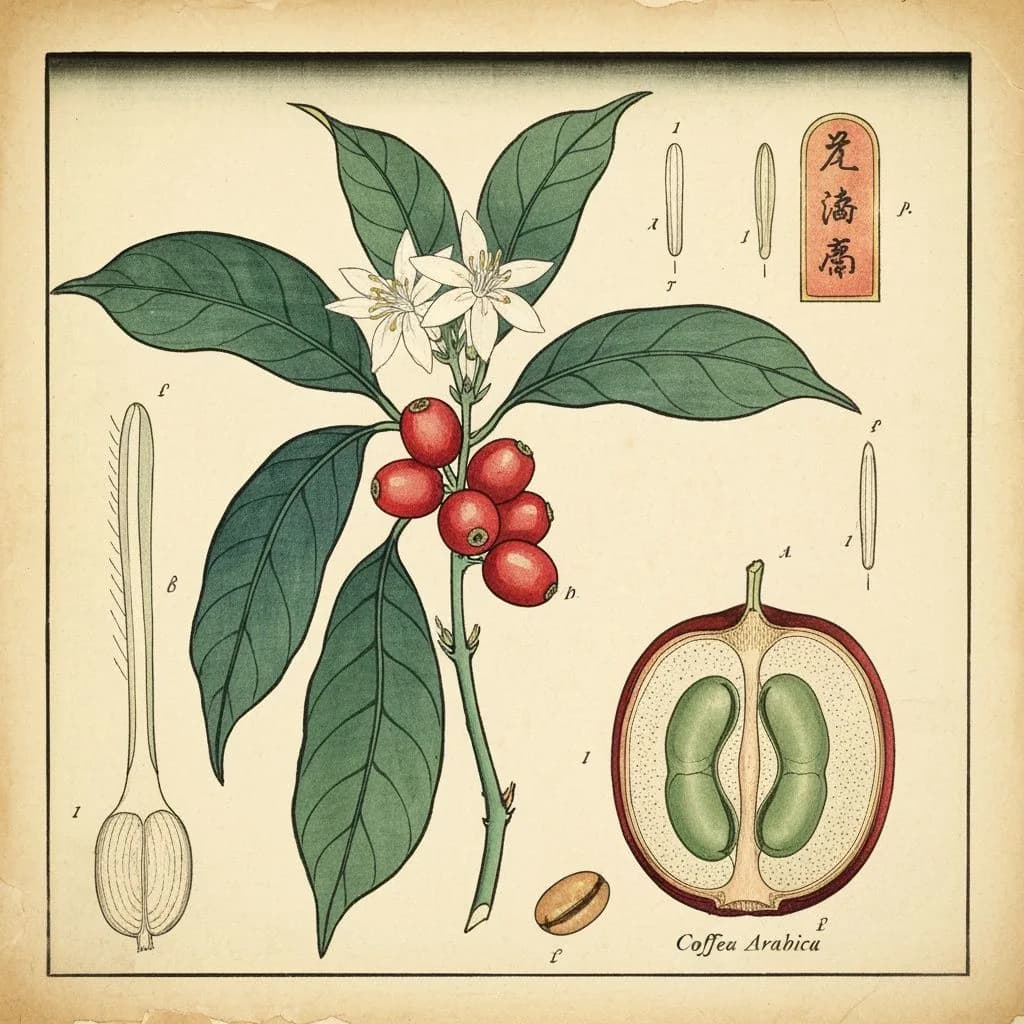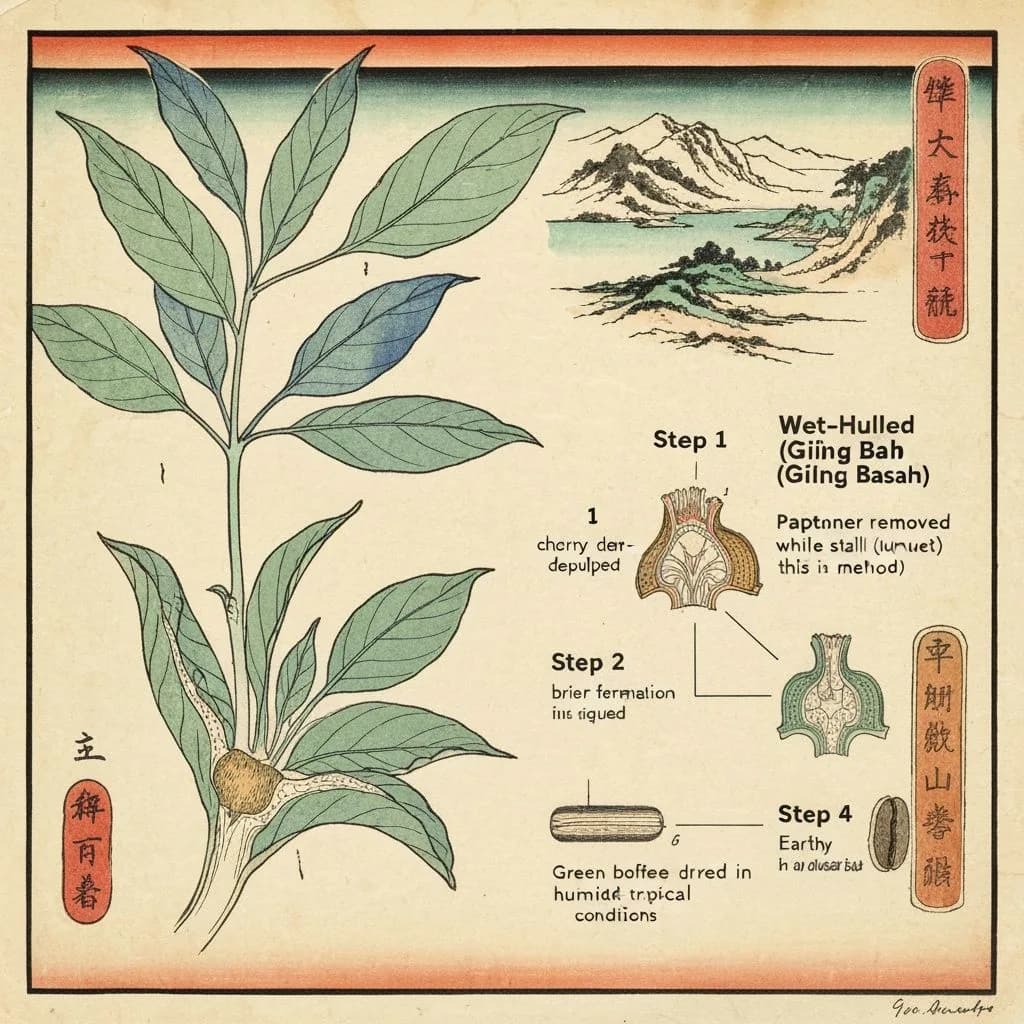
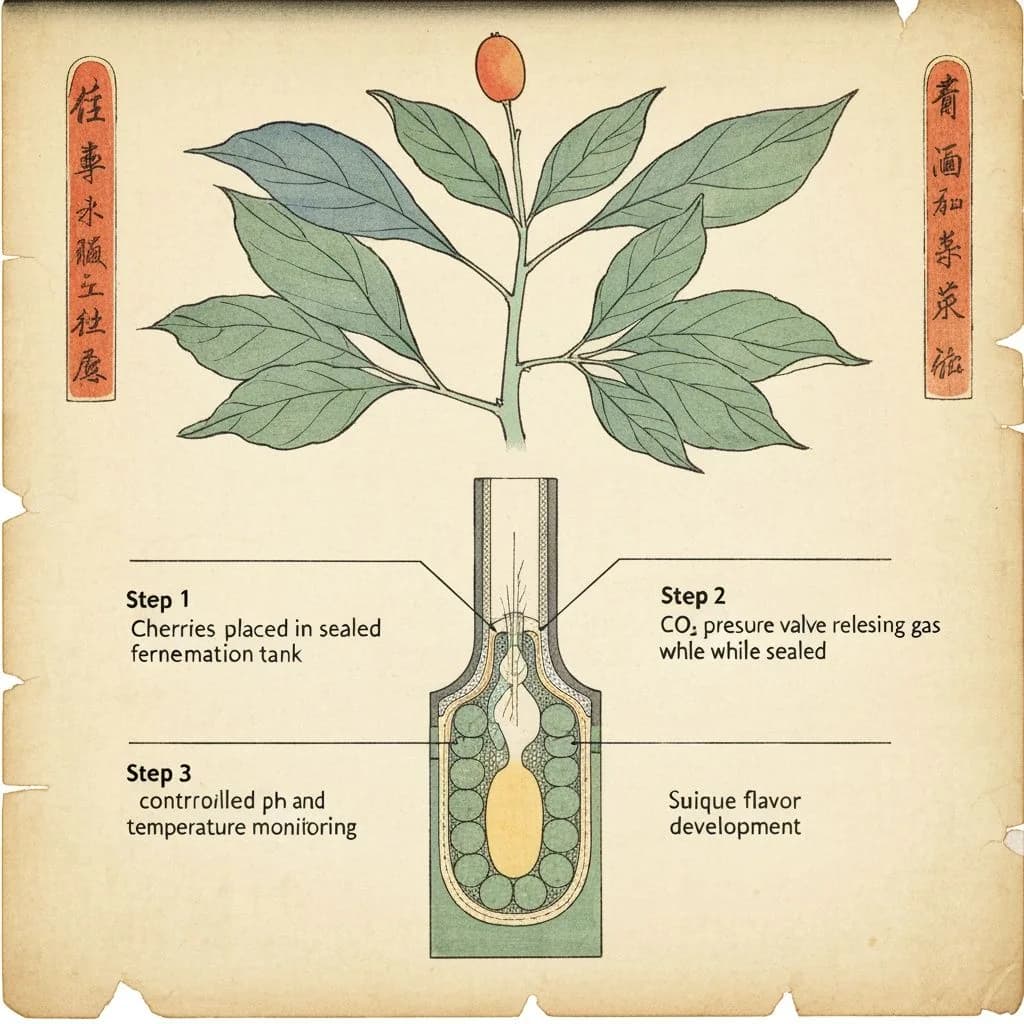
Wet-Hulled (Giling Basah) - botanical illustration showing processing stages

Wet-Hulled (Giling Basah)

ProcessingArabica

Wet-hulling is a processing method unique to Indonesia. Parchment coffee is hulled while still wet (at ~30-35% moisture), giving the beans their distinctive dark blue-green color and producing heavy-bodied cups with low acidity and earthy, herbal flavors.

How Wet-Hulled Processing Works

1

Depulping

Farmers depulp cherries at home using simple hand-cranked machines on the same day as harvest.

2

Brief Fermentation

Mucilage-covered beans sit in bags or buckets overnight (12-24 hours), a much shorter fermentation than washed processing.

3

Partial Drying

Beans in parchment are dried to approximately 30-35% moisture (compared to the 10-12% target of other methods).

4

Wet Hulling (Giling Basah)

This is the defining step. The parchment is mechanically removed while the bean is still soft and swollen with moisture. This is unique to Indonesia and gives Sumatran coffees their distinctive character.

5

Final Drying

The now-exposed green beans finish drying on patios or raised beds. The high humidity of Sumatra makes this a challenge, which contributes to the earthy, funky character.

Flavor Profile

Wet-hulled coffees have a distinctive heavy body, low acidity, and earthy, herbal, tobacco-like flavors. Common notes include cedar, dark chocolate, pipe tobacco, mushroom, and spice. The profile is polarizing - loved by those who enjoy dark, savory coffee.

Origins

  • Sumatra (Mandheling, Lintong) - The heartland of wet-hulled processing
  • Sulawesi (Toraja) - Slightly cleaner, more balanced wet-hulled coffees
  • Java - Indonesian island with a long coffee heritage

When to Choose Wet-Hulled

These are quintessential dark roast coffees. The earthy, full body pairs perfectly with cream and sugar. Excellent as French press or in espresso blends where they add depth and body.

Did you know?

The wet-hulling method was developed out of necessity - Indonesia's humid climate makes conventional drying difficult.

Related
Frequently Asked Questions

What does Wet-Hulled (Giling Basah) taste like?
Wet-Hulled (Giling Basah) is known for earthy, herbal, heavy body, low acidity flavor notes. It has a ## how wet-hulled processing works **step 1: depulping** - farmers depulp cherries at home using simple hand-cranked machines on the same day as harvest. **step 2: brief fermentation** - mucilage-covered beans sit in bags or buckets overnight (12-24 hours), a much shorter fermentation than washed processing. **step 3: partial drying** - beans in parchment are dried to approximately 30-35% moisture (compared to the 10-12% target of other methods). **step 4: wet hulling (giling basah)** - this is the defining step. the parchment is mechanically removed while the bean is still soft and swollen with moisture. this is unique to indonesia and gives sumatran coffees their distinctive character. **step 5: final drying** - the now-exposed green beans finish drying on patios or raised beds. the high humidity of sumatra makes this a challenge, which contributes to the earthy, funky character. ## flavor profile wet-hulled coffees have a distinctive heavy body, low acidity, and earthy, herbal, tobacco-like flavors. common notes include cedar, dark chocolate, pipe tobacco, mushroom, and spice. the profile is polarizing - loved by those who enjoy dark, savory coffee. ## origins - **sumatra (mandheling, lintong)** - the heartland of wet-hulled processing - **sulawesi (toraja)** - slightly cleaner, more balanced wet-hulled coffees - **java** - indonesian island with a long coffee heritage ## when to choose wet-hulled these are quintessential dark roast coffees. the earthy, full body pairs perfectly with cream and sugar. excellent as french press or in espresso blends where they add depth and body. body.
What is the best way to brew Wet-Hulled (Giling Basah)?
Wet-Hulled (Giling Basah) performs best with french press, espresso. These methods complement the bean's natural characteristics and extract the most balanced flavor. Experiment with grind size and water temperature to dial in your preferred taste.
Where is Wet-Hulled (Giling Basah) coffee grown?
Wet-Hulled (Giling Basah) is primarily grown in Indonesia, Sumatra, Sulawesi. The terroir of these regions -- altitude, soil composition, rainfall, and microclimate -- directly shapes the bean's flavor profile and determines which tasting notes develop during growth and processing.

Researched and compiled by CoffeeTrove. Last updated March 2026.