Sumatra Mandheling
One of the most distinctive coffees in the world. Wet-hulled (Giling Basah) processing gives Sumatran coffee its signature heavy body, low acidity, and earthy complexity. Grown around Lake Toba in northern Sumatra.
Flavor Notes
Processing Methods
Coffee Heritage
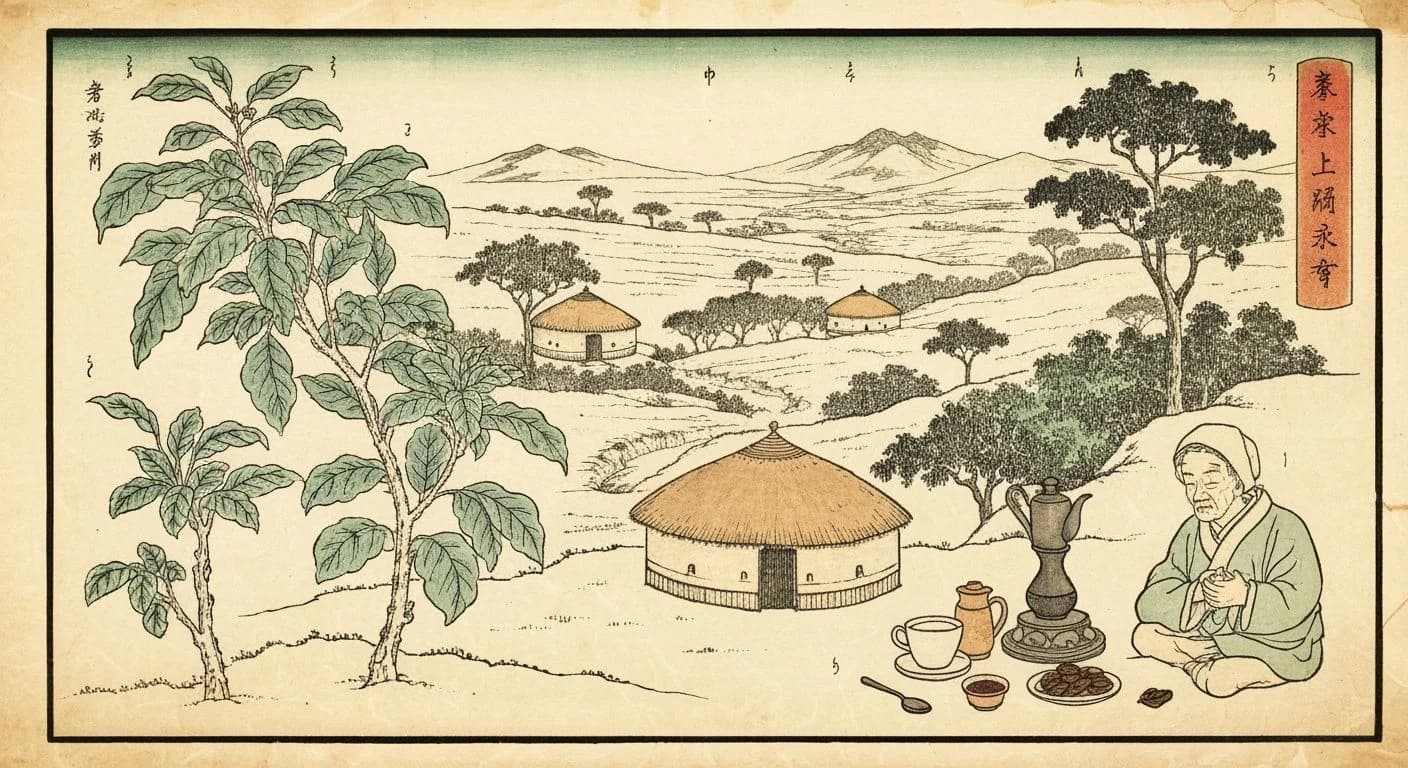
Sumatra has been producing coffee since the Dutch colonial era in the early 1700s. The Mandheling name comes from the Mandailing people of North Sumatra, though the coffee is grown across a broader area around Lake Toba, one of the world's largest volcanic crater lakes. Sumatran coffee built a devoted following among dark roast enthusiasts and has remained one of the most polarizing origins in specialty coffee -- people either love its earthy intensity or find it too wild.
Growing Conditions
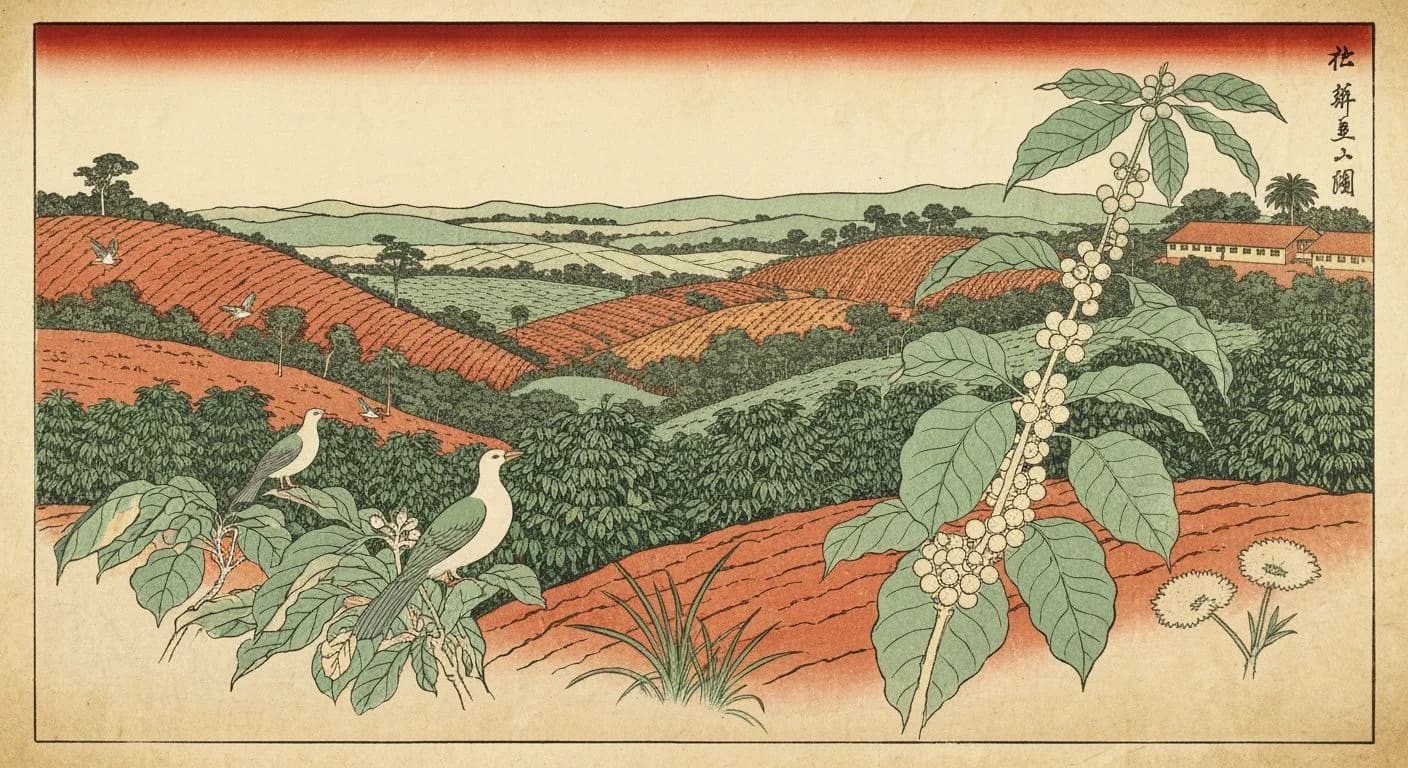
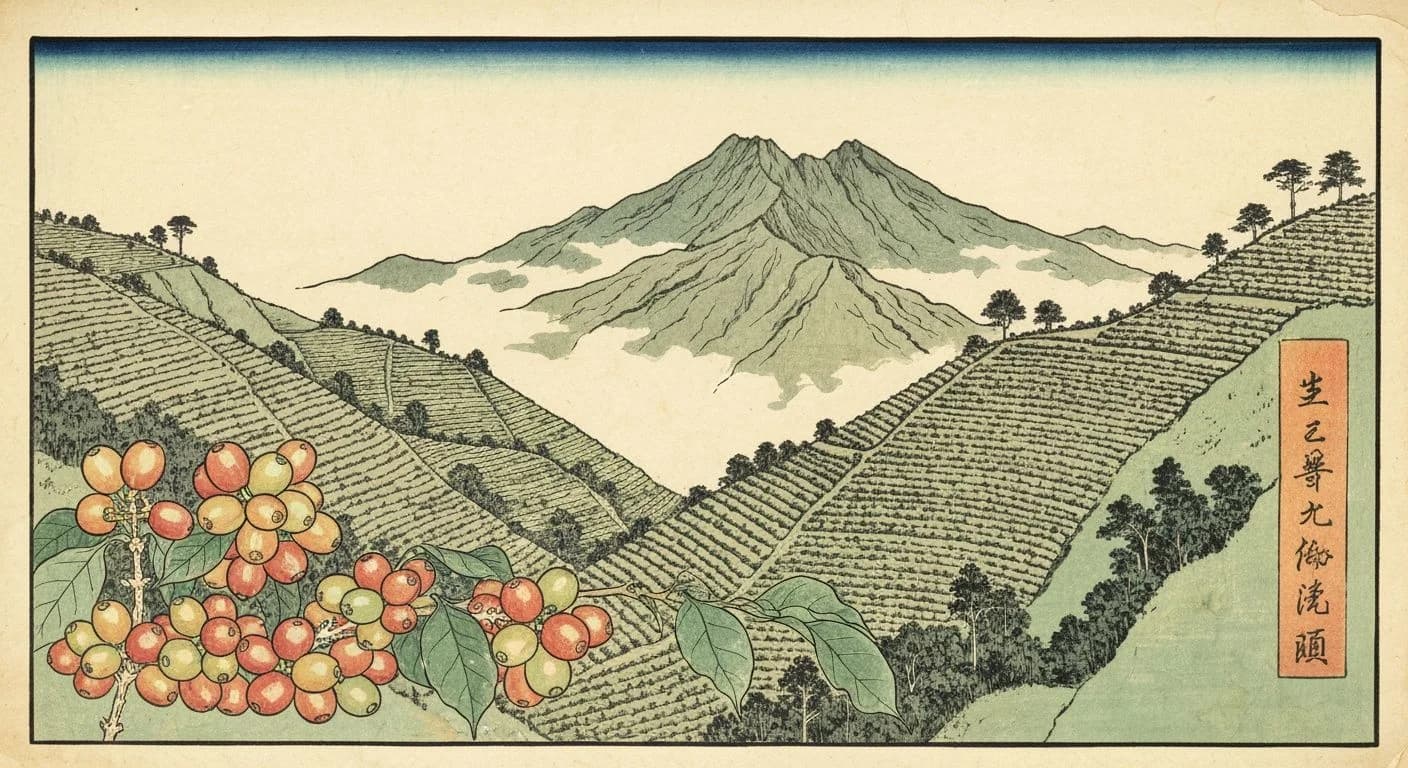
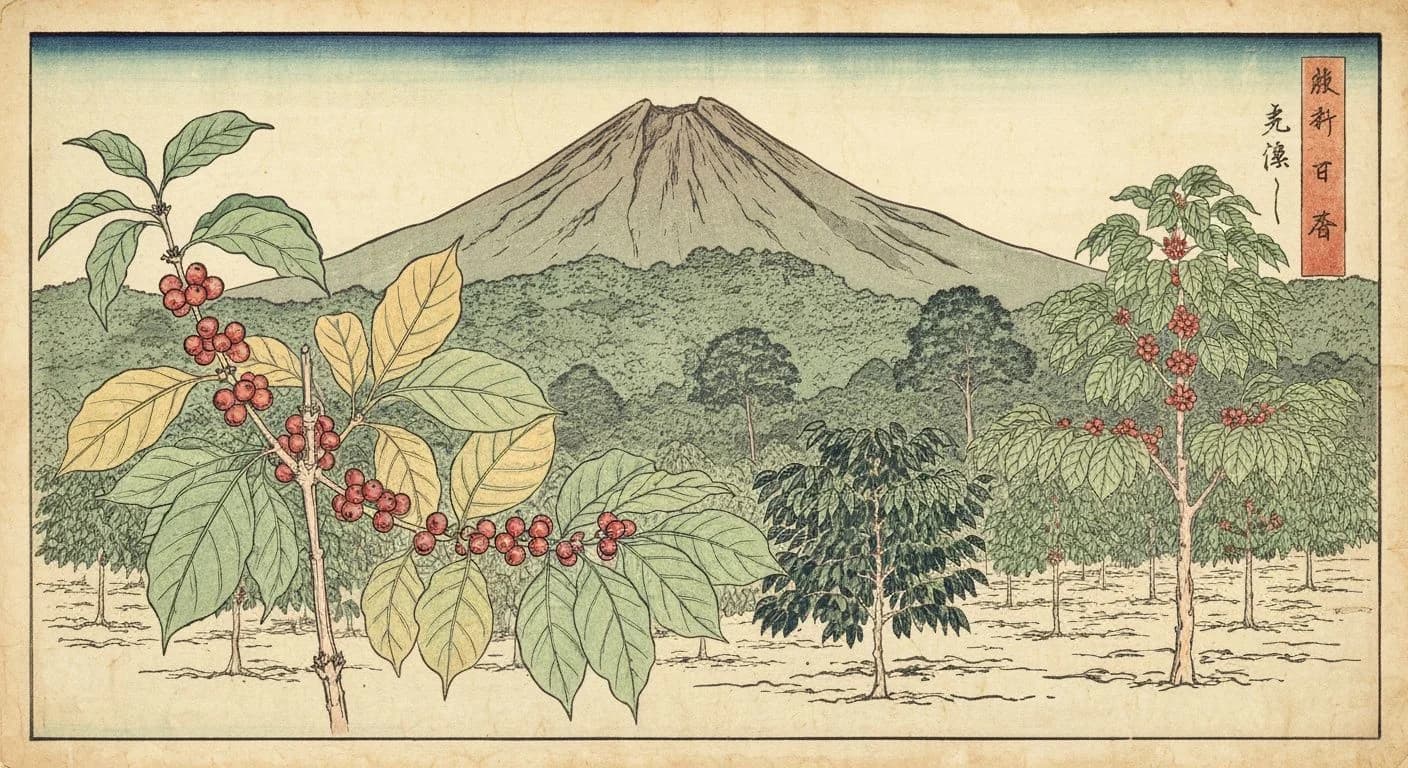
The growing areas around Lake Toba sit at 1,100 to 1,600 meters in the Bukit Barisan mountain range. The volcanic soil is incredibly fertile, enriched by the massive eruption that formed the lake 75,000 years ago. Sumatra receives heavy rainfall throughout the year with no pronounced dry season, which directly influences processing methods. Most farms are smallholder plots with coffee intercropped under shade trees alongside vegetables and fruit.
Processing Traditions
The wet-hulled method, known locally as "Giling Basah," is unique to Indonesia and defines Sumatran coffee's character. Farmers pulp the cherries at home, briefly ferment them overnight, and then sell the still-wet parchment to collectors. The parchment is removed at 30 to 50 percent moisture content -- far wetter than in other regions -- and the exposed green beans finish drying in the open air. This process gives the beans their distinctive dark blue-green color and signature flavor.
Flavor Character
- Deep earthy and herbal notes, often described as mossy or forest-like
- Heavy, syrupy body that coats the palate
- Very low acidity, creating a smooth and grounding cup
- Dark chocolate and bittersweet cacao undertones
- Tobacco, cedar, and leather in the finish
- Some lots show tropical fruit or spice complexity
What Makes It Special
Sumatra Mandheling is unlike any other coffee in the world, and that distinction comes directly from the Giling Basah process. No other major origin wet-hulls its coffee, and the resulting flavor profile -- earthy, heavy, low-acid -- occupies a category of its own. For fans of dark roasts and French press brewing, Mandheling is often the definitive coffee.
Did you know?
Lake Toba, around which Mandheling coffee is grown, was formed by a supervolcanic eruption roughly 75,000 years ago that was so massive it may have caused a global volcanic winter lasting several years.