Peru Cusco
Peru is one of the world's top organic coffee producers. High-altitude farms in regions like Cusco, Cajamarca, and Amazonas produce clean, mild coffees with gentle sweetness. Growing reputation in specialty markets.
Coffee Heritage
Peru's coffee industry took off in the mid-20th century, but the Cusco region -- better known for Machu Picchu and Incan history -- has quietly become one of South America's rising specialty origins. Coffee grows in the Quillabamba Valley and surrounding areas east of the Andes, where the mountains descend into the Amazon basin. Peruvian coffee long languished in the commodity market, but investment in processing infrastructure and cooperative organization over the past two decades has transformed quality. Peru is now the world's second-largest organic coffee producer after Mexico.
Growing Conditions
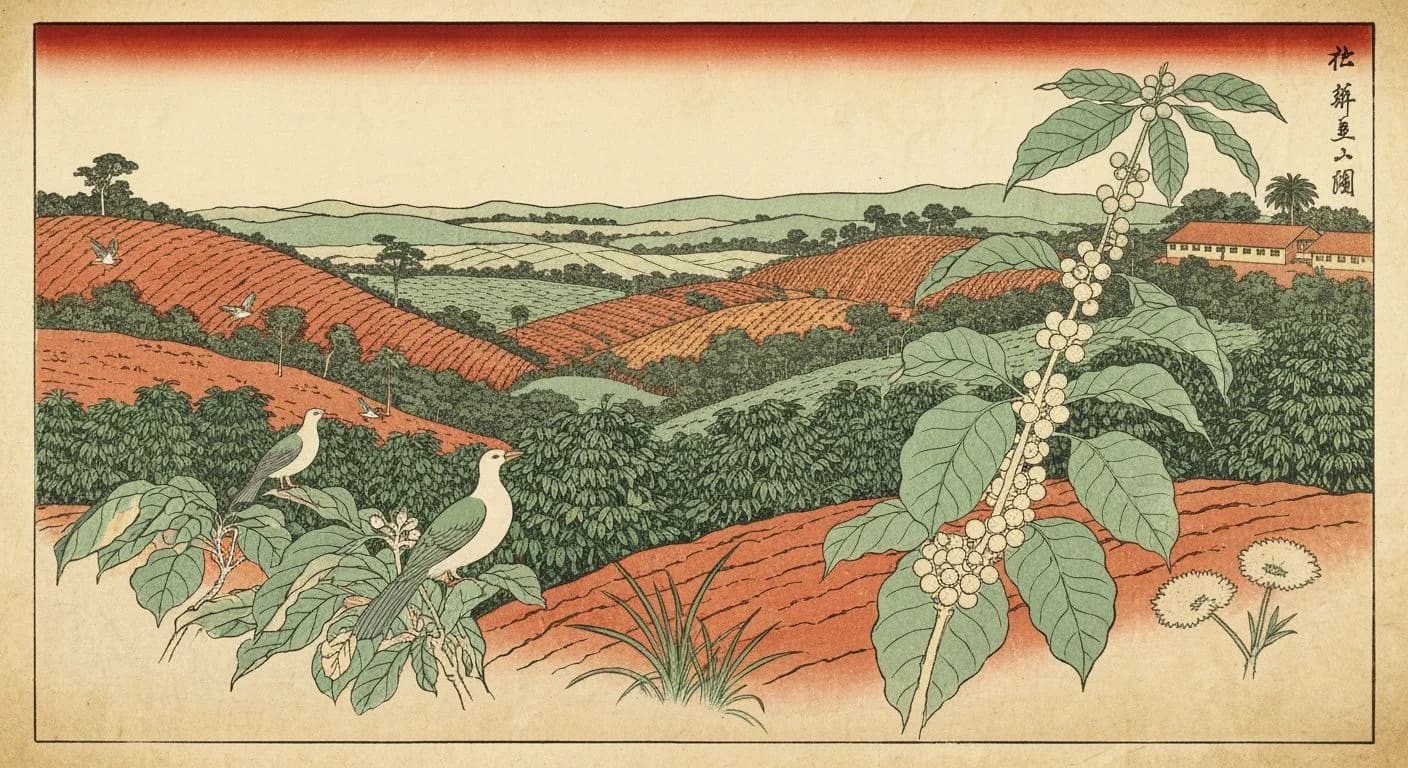
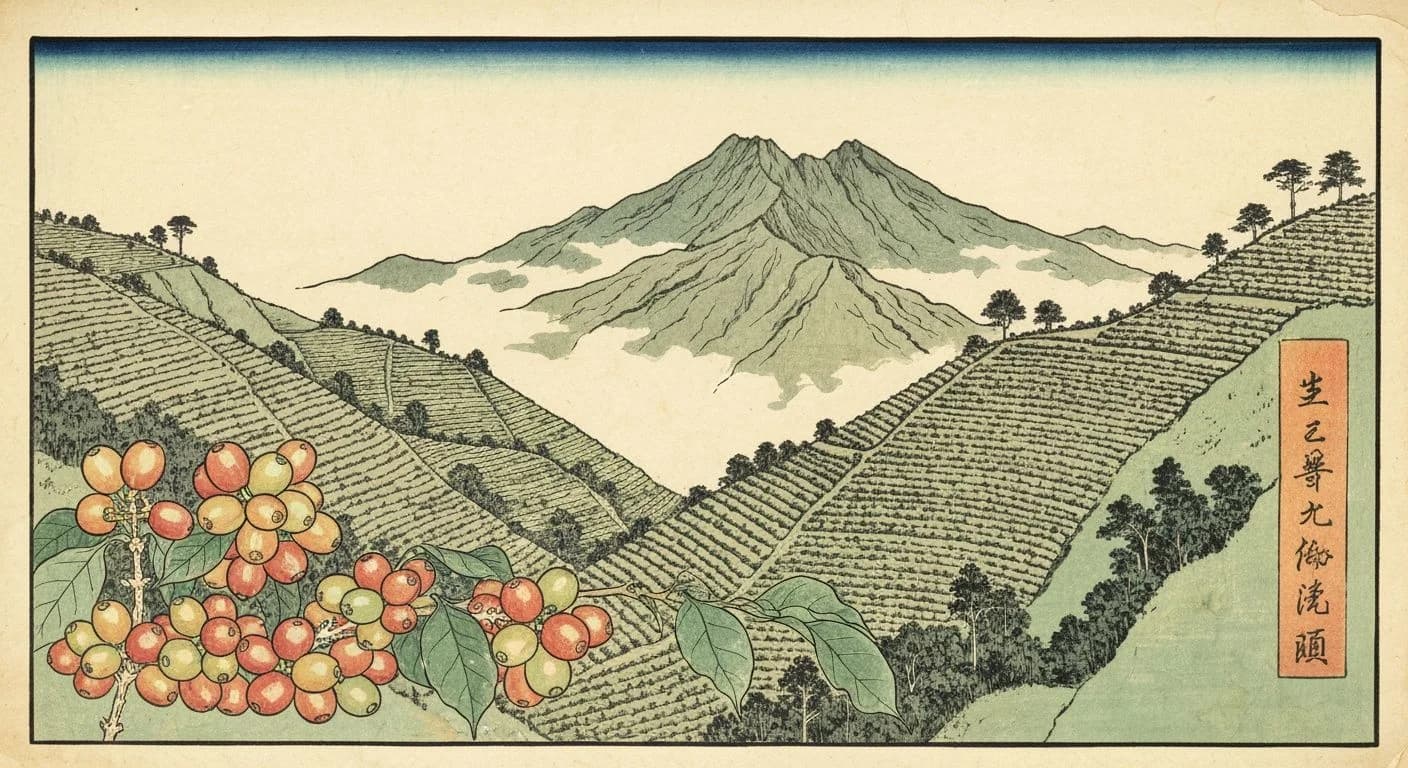
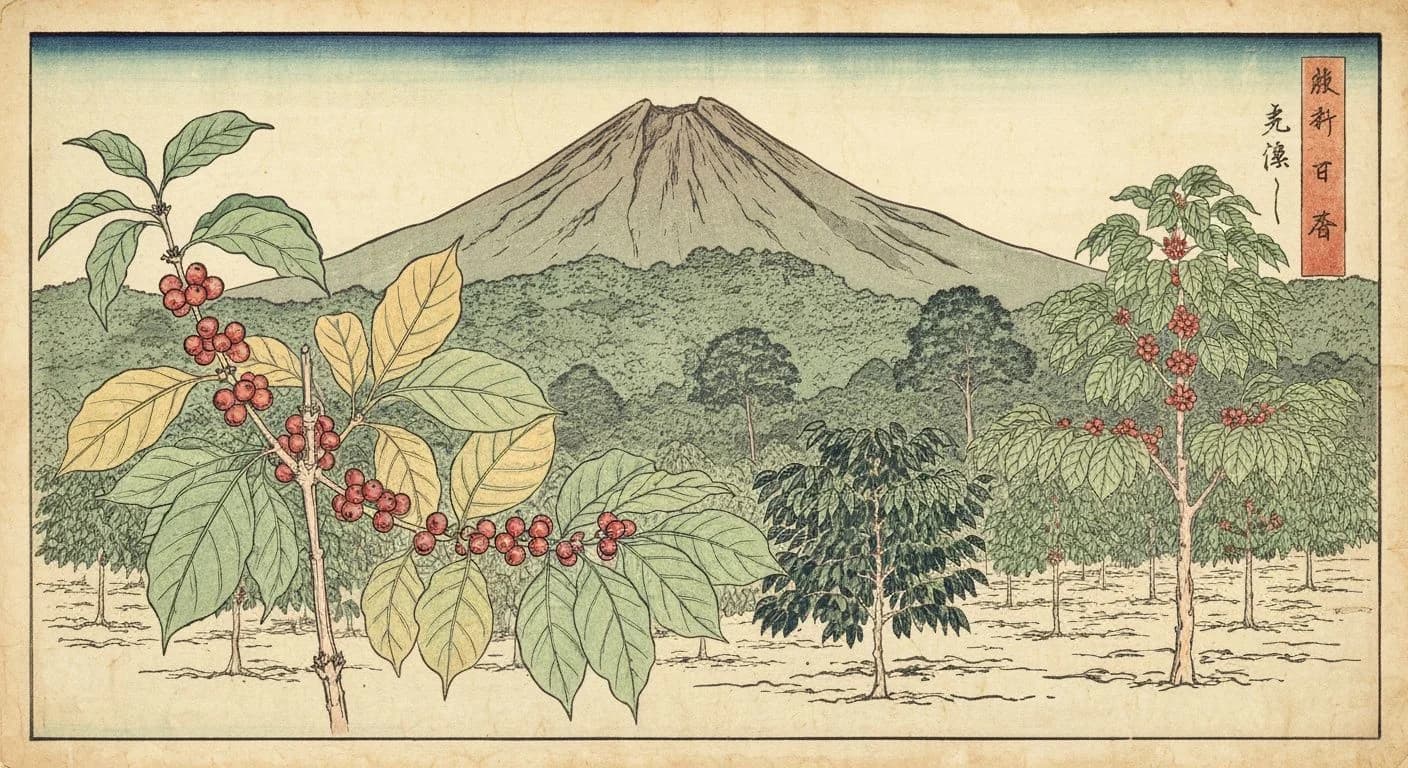
Cusco's coffee grows at 1,200 to 1,800 meters on the eastern slopes of the Andes, where mountain terrain meets tropical rainforest. The altitude provides cool temperatures, while the Amazon basin supplies moisture and humidity. Soils vary from volcanic to clay-rich, and most farms are small -- typically one to three hectares. Shade-grown cultivation under native forest canopy is the norm, preserving biodiversity in one of the most ecologically rich zones on earth.
Processing Traditions
Washed processing dominates, with most farmers using small-scale wet mills and fermenting in basic tanks or bags for 12 to 24 hours. Cooperatives have invested heavily in centralized processing facilities to improve consistency. Sun drying on tarps or raised beds is standard. Natural and honey processing are becoming more common as specialty buyers seek differentiation and Peruvian producers respond to market demand.
Flavor Character
What Makes It Special
Peru Cusco represents the quiet achiever of the specialty world. It may lack the intensity of a Kenyan AA or the exoticism of a Panama Geisha, but its clean, balanced, and consistently pleasant profile makes it a reliable choice for everyday brewing. The organic and shade-grown credentials are genuine -- not marketing, but a reflection of how farming has always been done in these remote mountain valleys.
Did you know?
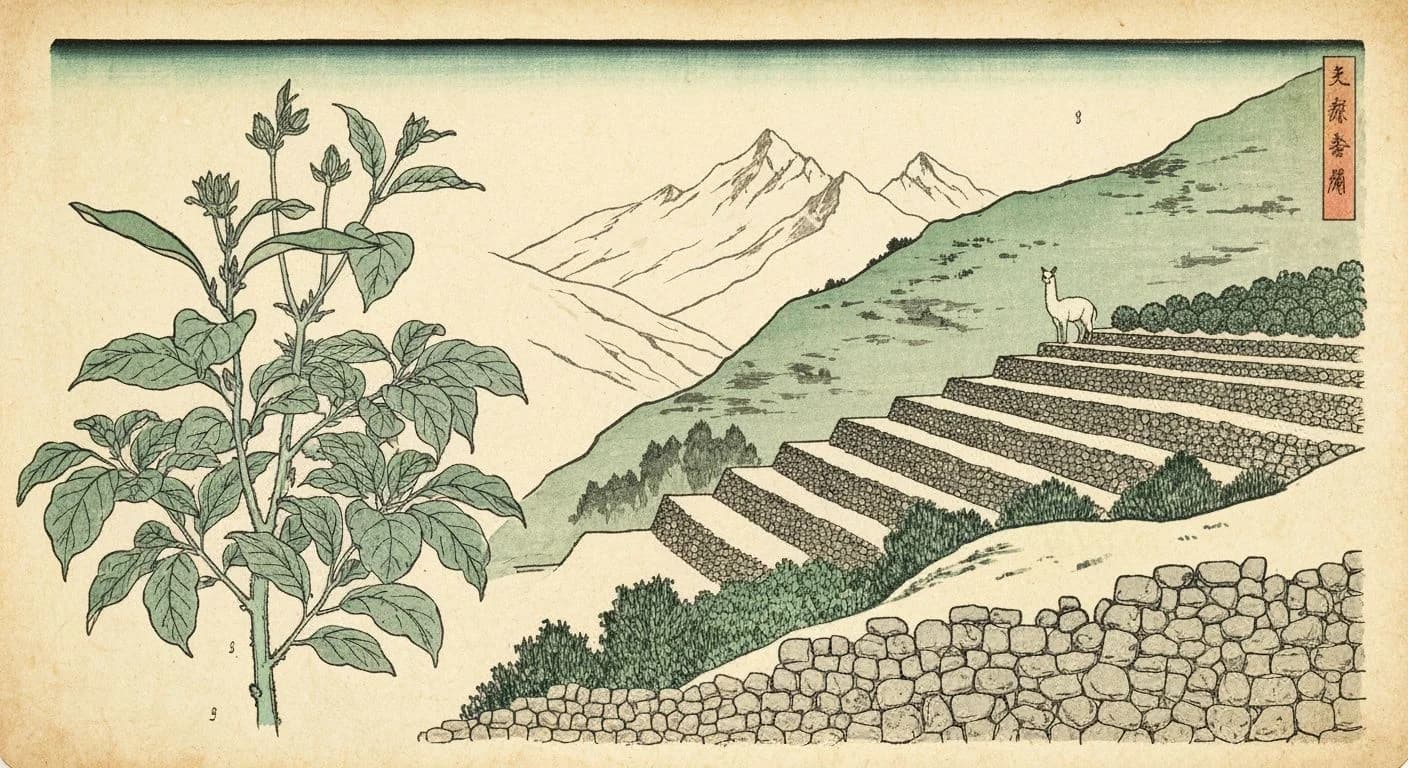
Much of Cusco's coffee is grown in the same valleys where the Inca built agricultural terraces centuries ago, and some farmers still use ancient terrace systems for their coffee plots.