India Monsooned Malabar
A unique processing method where green beans are exposed to monsoon winds and moisture for 12-16 weeks. This swells the beans and strips acidity, producing an unusually heavy, musty, and smooth cup. India is the 6th largest coffee producer globally.
Flavor Notes
Processing Methods
Coffee Heritage
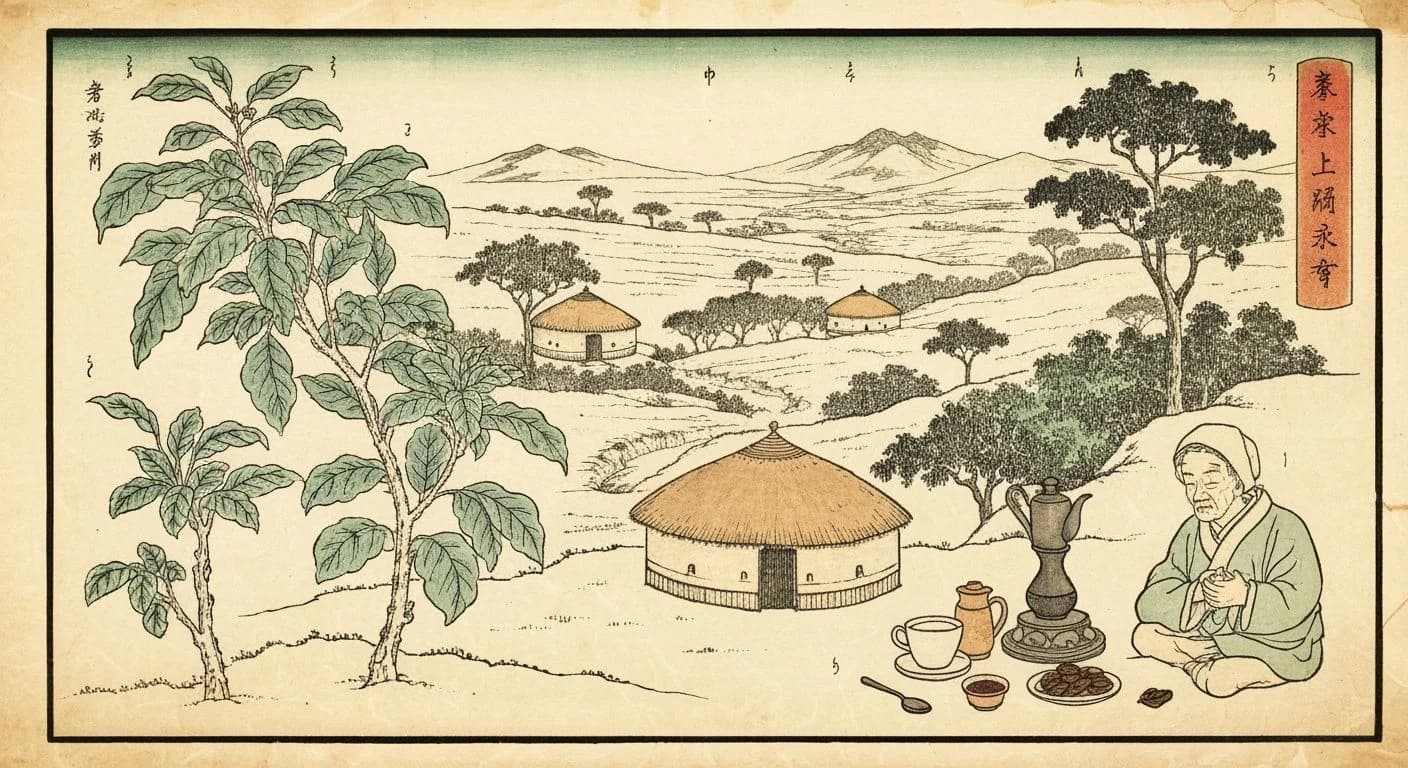
India's coffee history dates to the 1600s, when legend says a Sufi saint named Baba Budan smuggled seven coffee beans out of Yemen by strapping them to his chest. The Monsooned Malabar process was discovered by accident during the British colonial era, when green coffee shipped from India to Europe in wooden-hulled sailing ships absorbed moisture from the monsoon winds during the months-long voyage. The beans swelled, turned pale gold, and lost their acidity. When steamships shortened the journey and eliminated the effect, Indian producers began deliberately replicating it onshore.
Growing Conditions
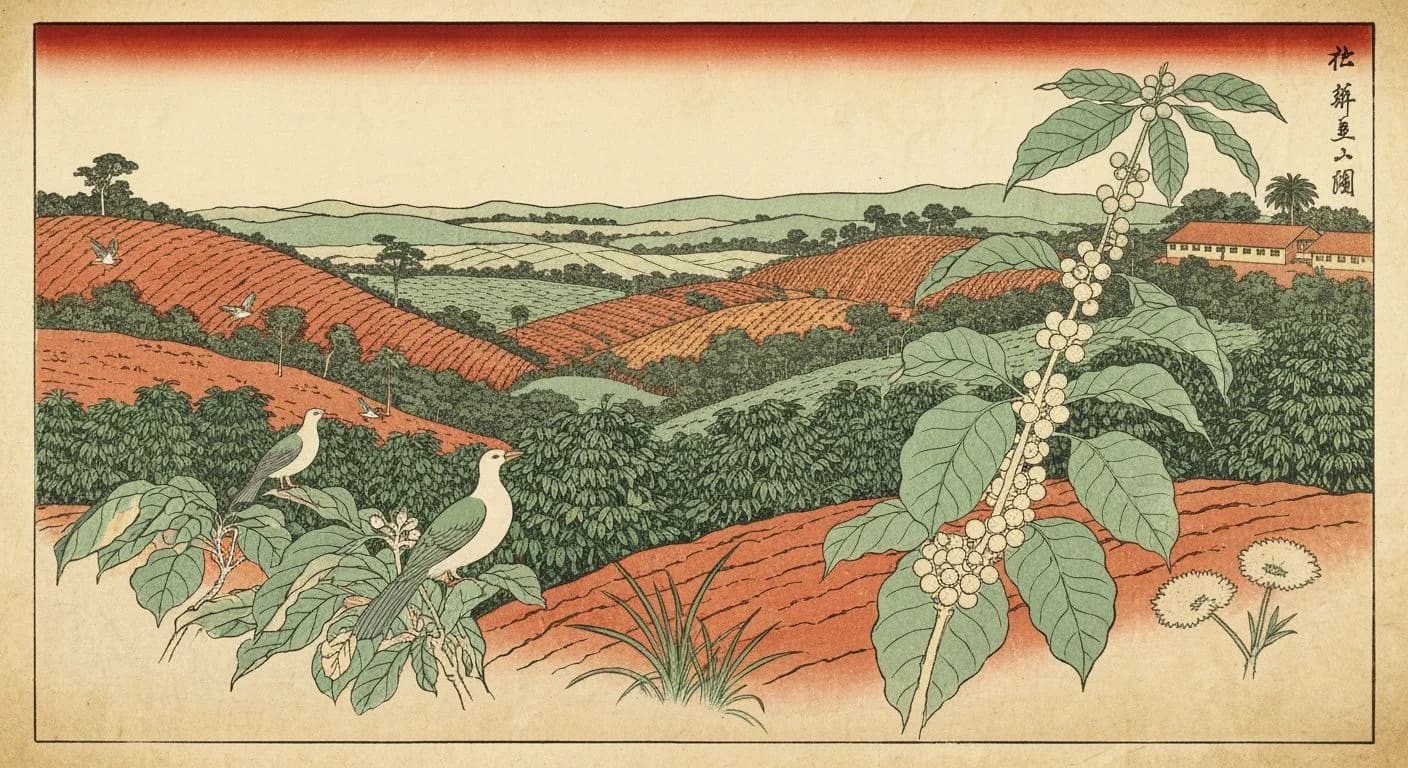
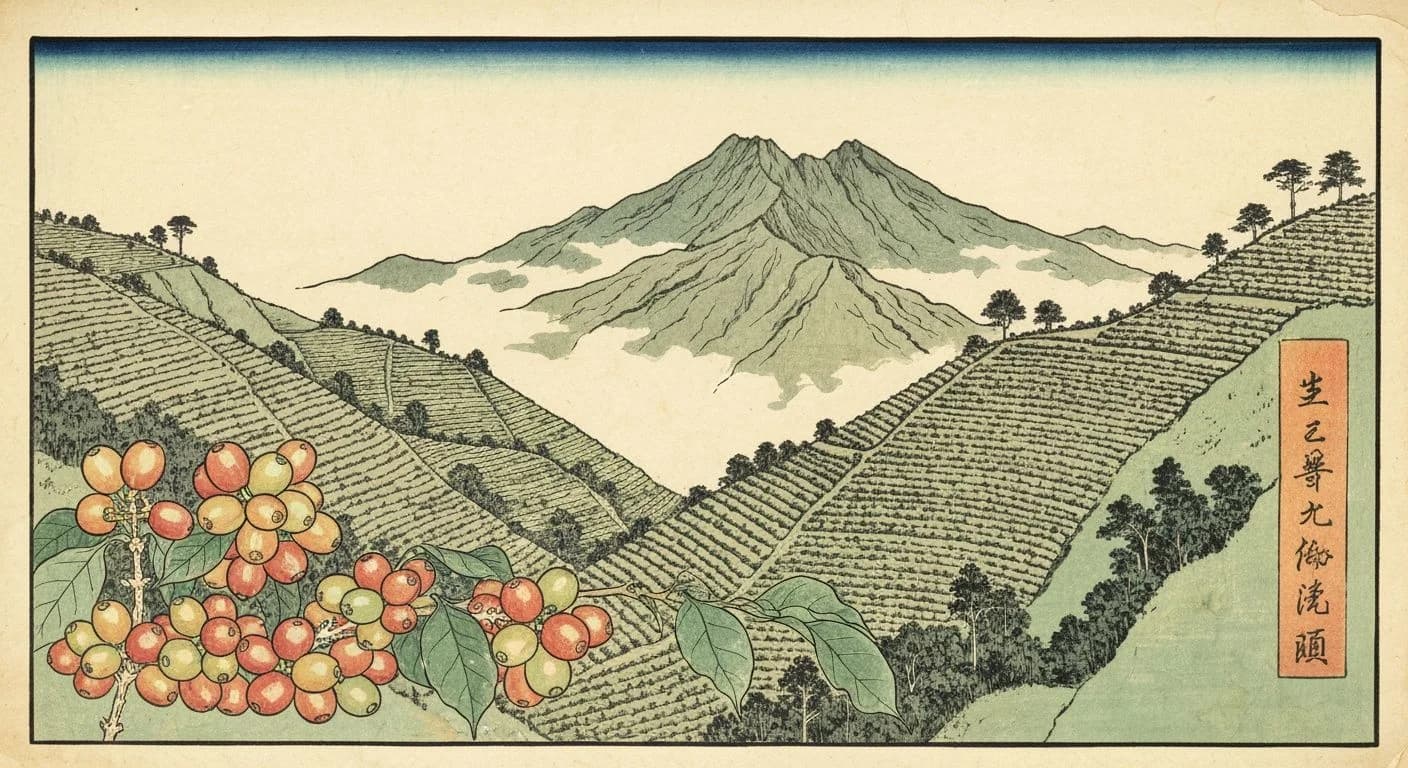
The coffee for Monsooned Malabar is typically grown at 1,000 to 1,500 meters in the Western Ghats of Karnataka and Kerala states. The growing regions receive abundant rainfall during the southwest monsoon from June to September. Robusta dominates Indian production overall, but the beans selected for monsooning are Arabica, specifically the "Cherry" grade. The Western Ghats are a biodiversity hotspot, and many coffee farms operate under dense shade canopy alongside pepper, cardamom, and other spices.
Processing Traditions
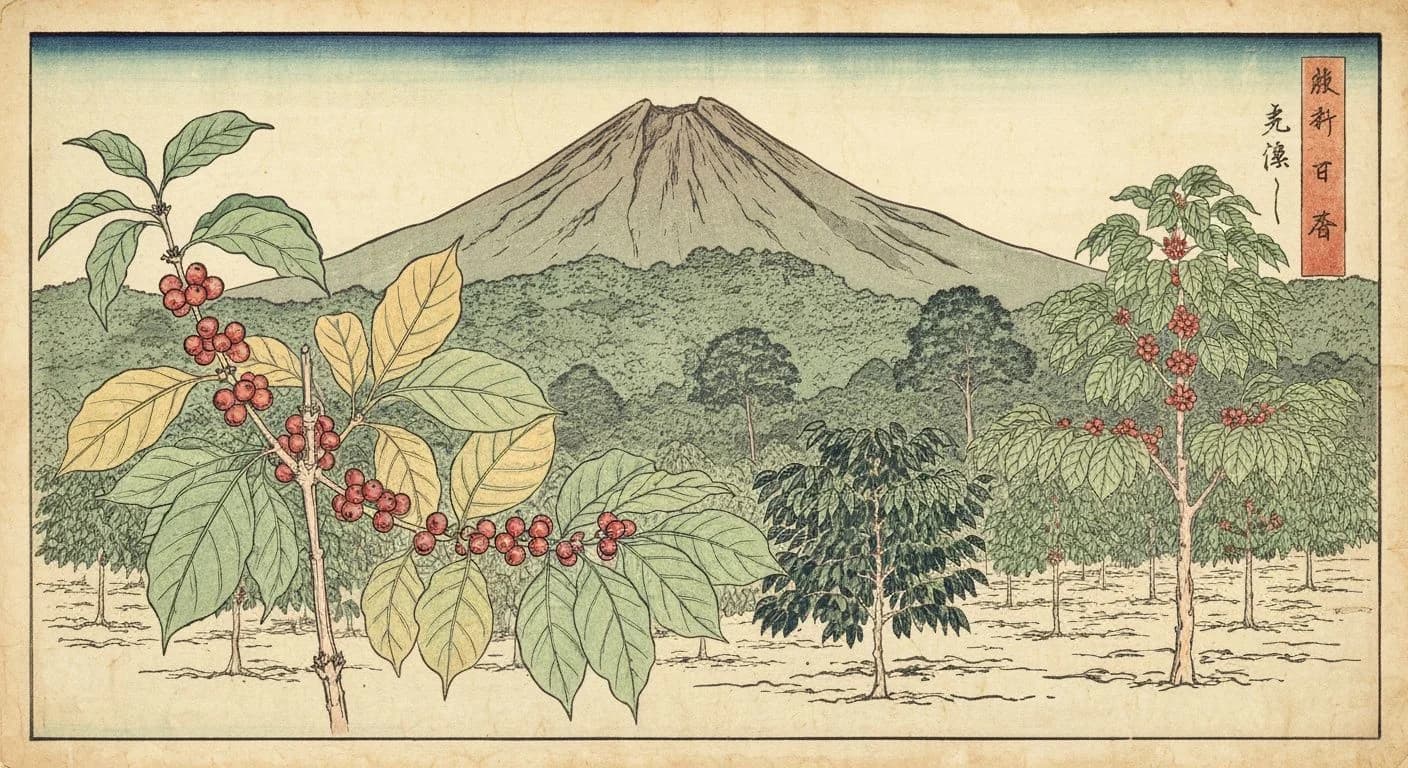
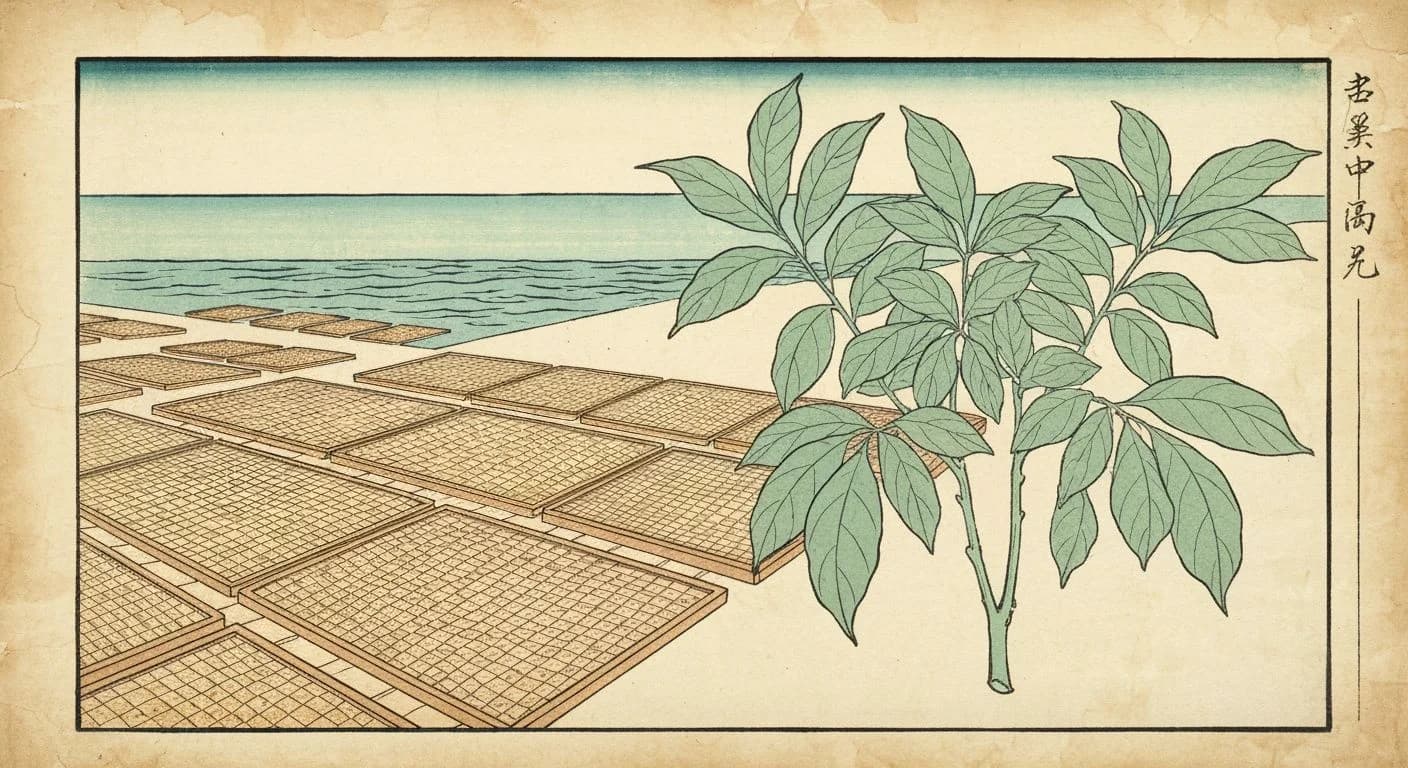
After standard washing and drying, the unique monsooning step begins. Green beans are spread in open-sided warehouses along the Malabar Coast and exposed to monsoon winds and moisture for 12 to 16 weeks between June and September. The beans are raked and turned regularly, absorbing humidity that swells them to nearly double their original size. They turn from green to pale straw gold. The process strips acidity and creates the signature musty, heavy profile.
Flavor Character
What Makes It Special
No other coffee undergoes anything like the monsooning process. It is one of the few origins where the post-harvest treatment, rather than terroir or variety, defines the cup character entirely. Monsooned Malabar is prized by dark roast lovers and espresso blend designers who need a heavy, low-acid base. It is also a living connection to the age of sailing ships and the accidental discoveries of global trade.
Did you know?
The monsooning process was discovered by accident when beans shipped to Europe in wooden sailing ships absorbed moisture during the months-long monsoon voyage, and customers grew to prefer the transformed flavor over fresh Indian coffee.