Rwanda Nyamasheke
Rwanda's coffee renaissance has produced exceptional washed coffees. Nyamasheke lots are known for their bright citrus acidity, floral notes, and clean tea-like finish.
Coffee Heritage
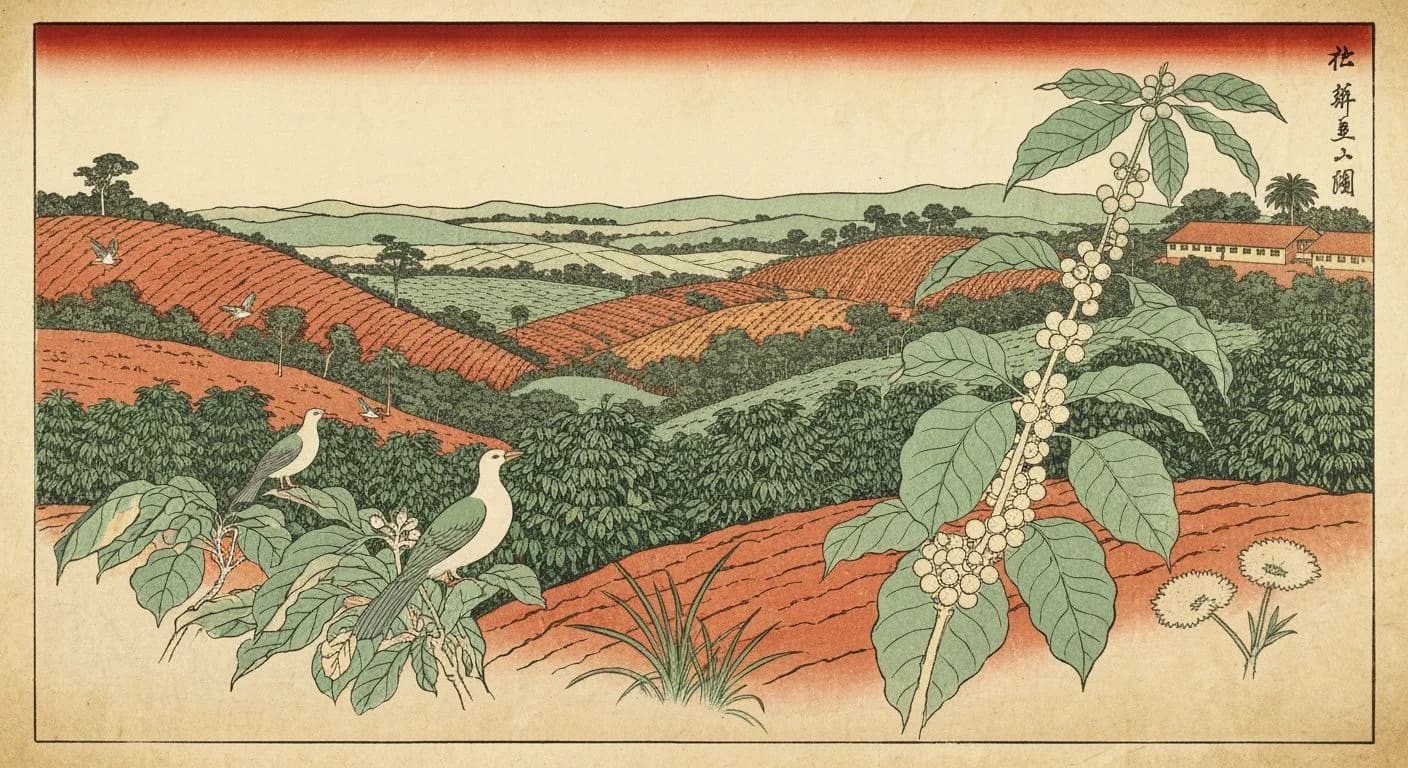
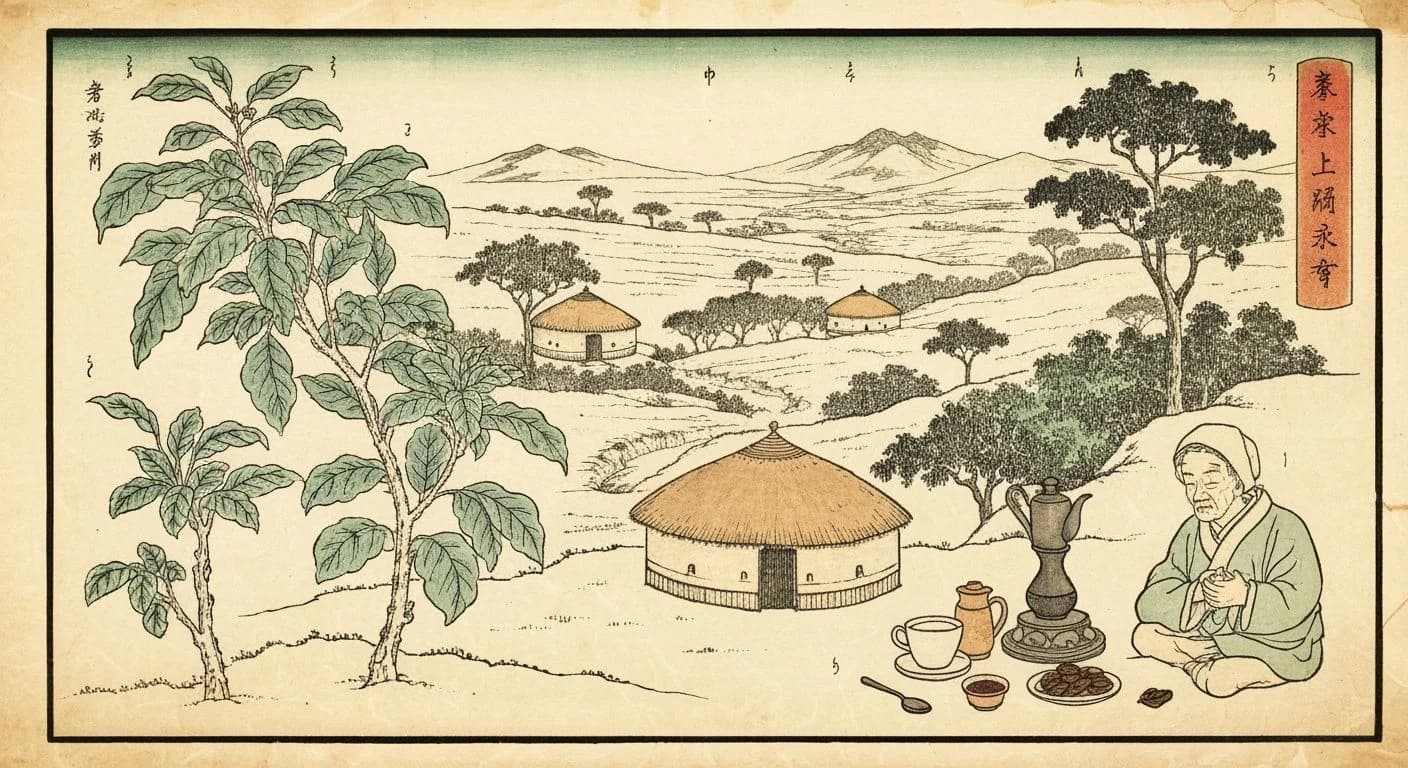
Rwanda's coffee industry was nearly destroyed during the 1994 genocide, but the country has rebuilt it into one of Africa's most impressive specialty sectors. International aid programs in the early 2000s funded washing stations and trained farmers in quality processing. Nyamasheke district, in Rwanda's Western Province along Lake Kivu, has emerged as one of the country's top specialty regions. The "Thousand Hills" landscape provides natural altitude and microclimates ideal for growing high-quality Arabica.
Growing Conditions
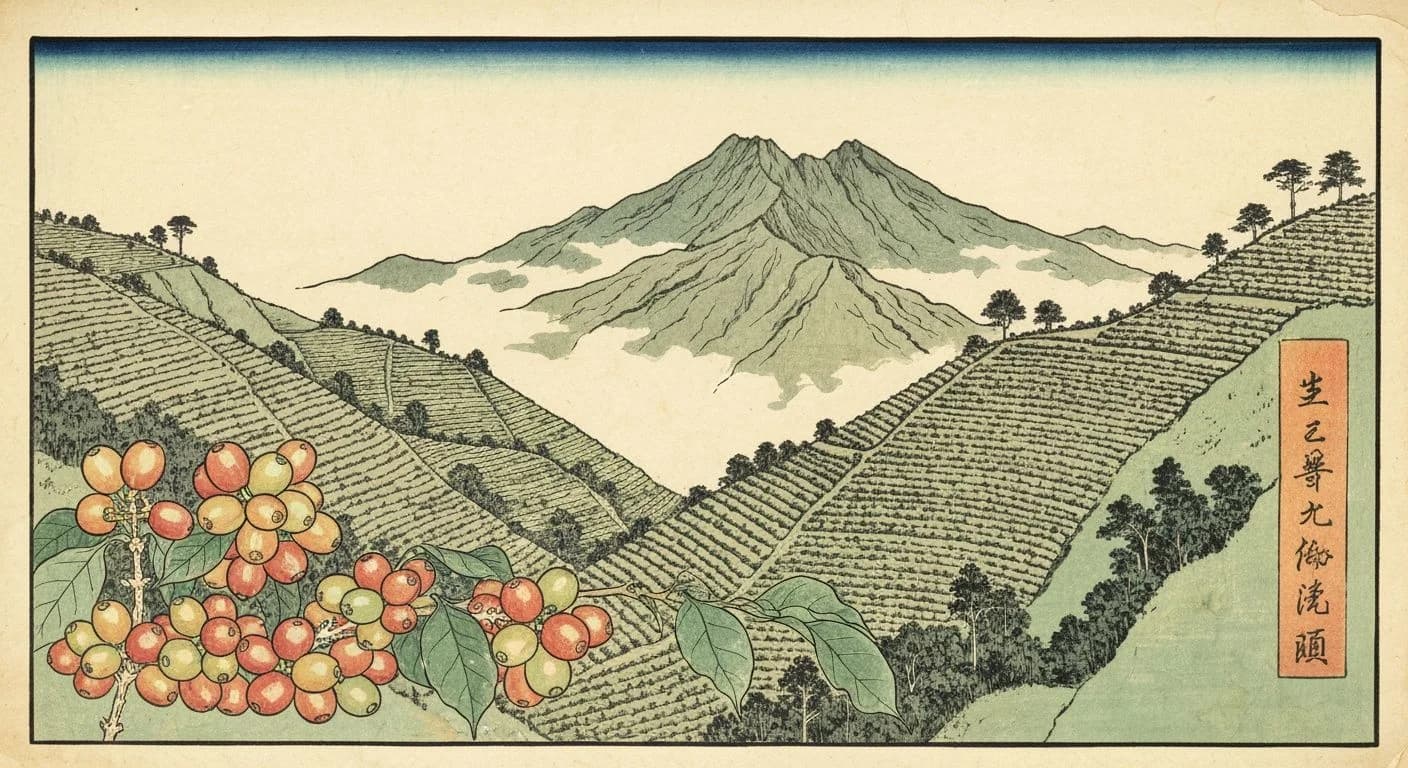
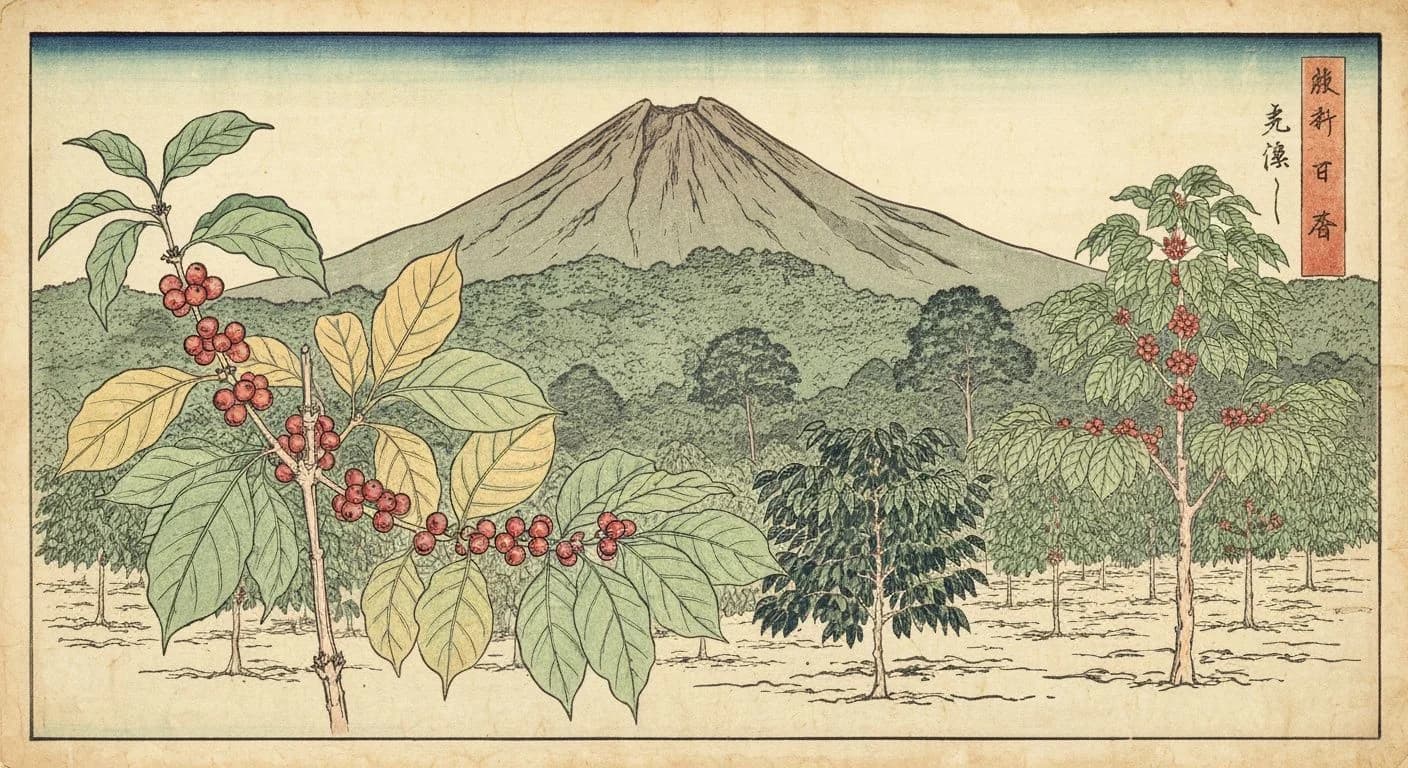
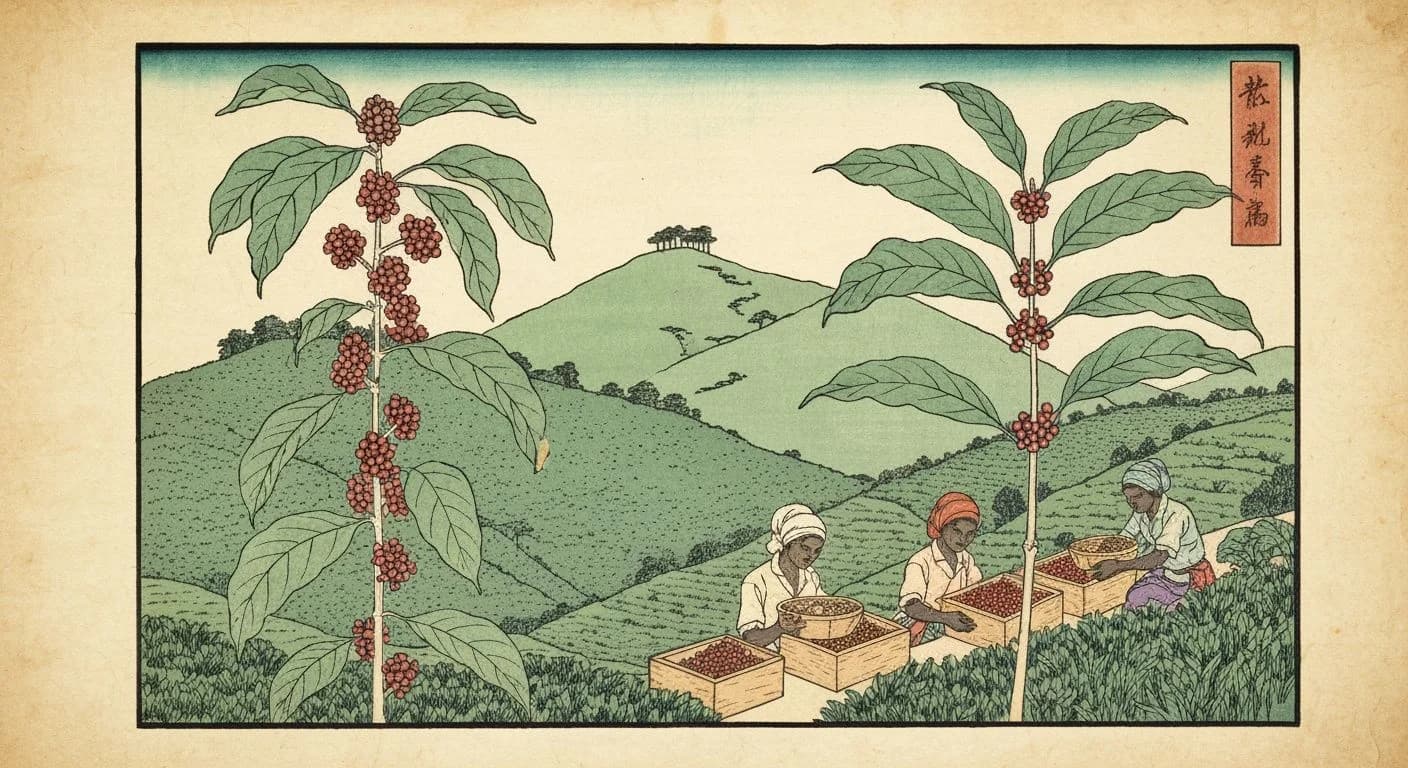
Nyamasheke's coffee grows at 1,700 to 2,000 meters on the steep hillsides surrounding Lake Kivu. The volcanic soil is rich in nutrients, and the lake moderates temperatures, reducing frost risk at elevation. Bourbon is the dominant variety, brought to Rwanda from Guatemala in the early 1900s. Small plots averaging less than a quarter hectare are the norm, with families hand-picking cherries and delivering them to centralized washing stations.
Processing Traditions
Fully washed processing dominates, and Rwanda's investment in modern washing stations has paid off with exceptionally clean cups. Cherries are hand-sorted, pulped, fermented in concrete tanks for 12 to 18 hours, and then soaked in clean water before slow drying on raised African beds. Some stations are now experimenting with natural and honey processing for competition lots.
Flavor Character
What Makes It Special
Rwanda's coffee renaissance is one of the great recovery stories in the specialty world. In just two decades, the country went from producing commodity-grade coffee to winning international cupping competitions. Nyamasheke lots regularly score above 86 points, and the region's combination of high altitude, Bourbon variety, and meticulous washing produces a cup that rivals the best East African coffees.
Did you know?
Rwanda's nickname "The Land of a Thousand Hills" is not an exaggeration -- the country has an average elevation of 1,600 meters, making nearly the entire nation suitable for high-altitude coffee cultivation.