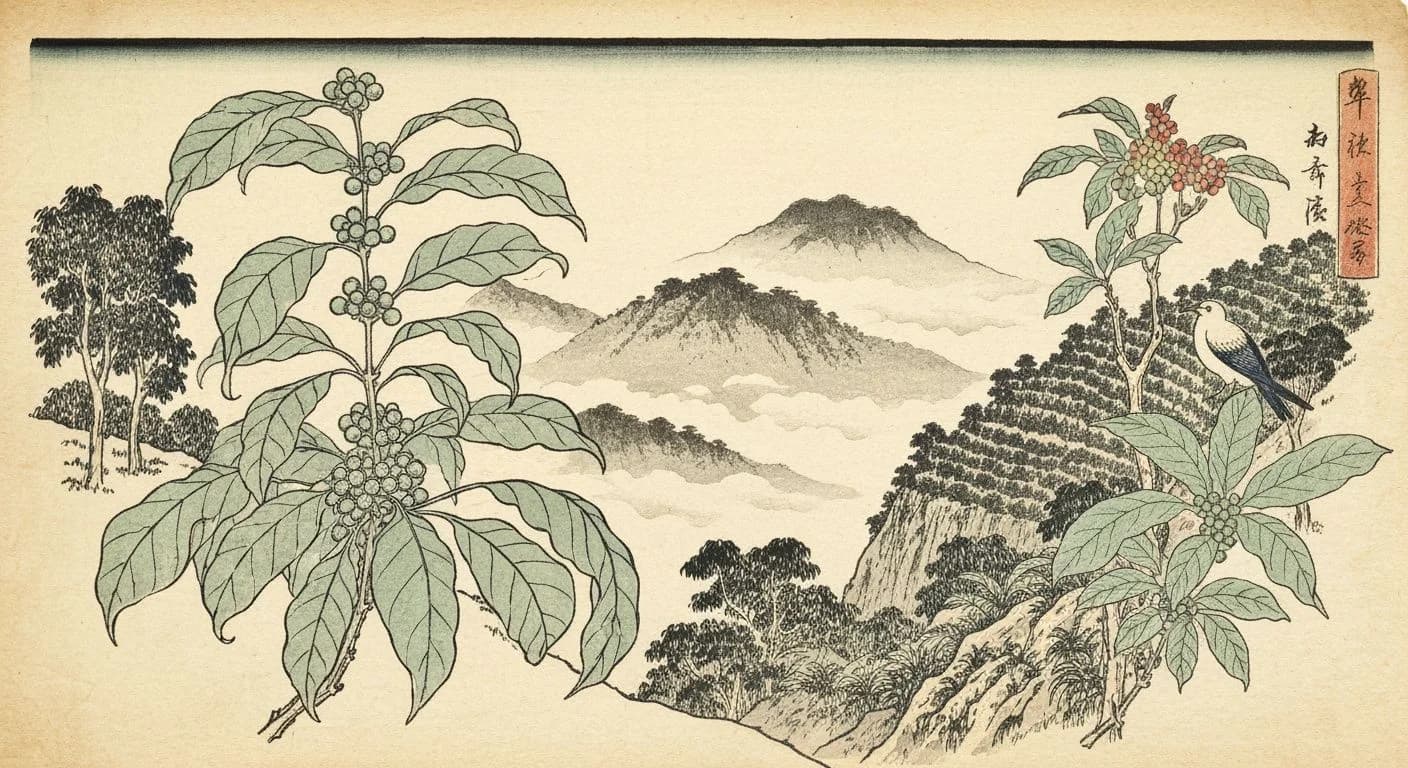
Jamaica Blue Mountain
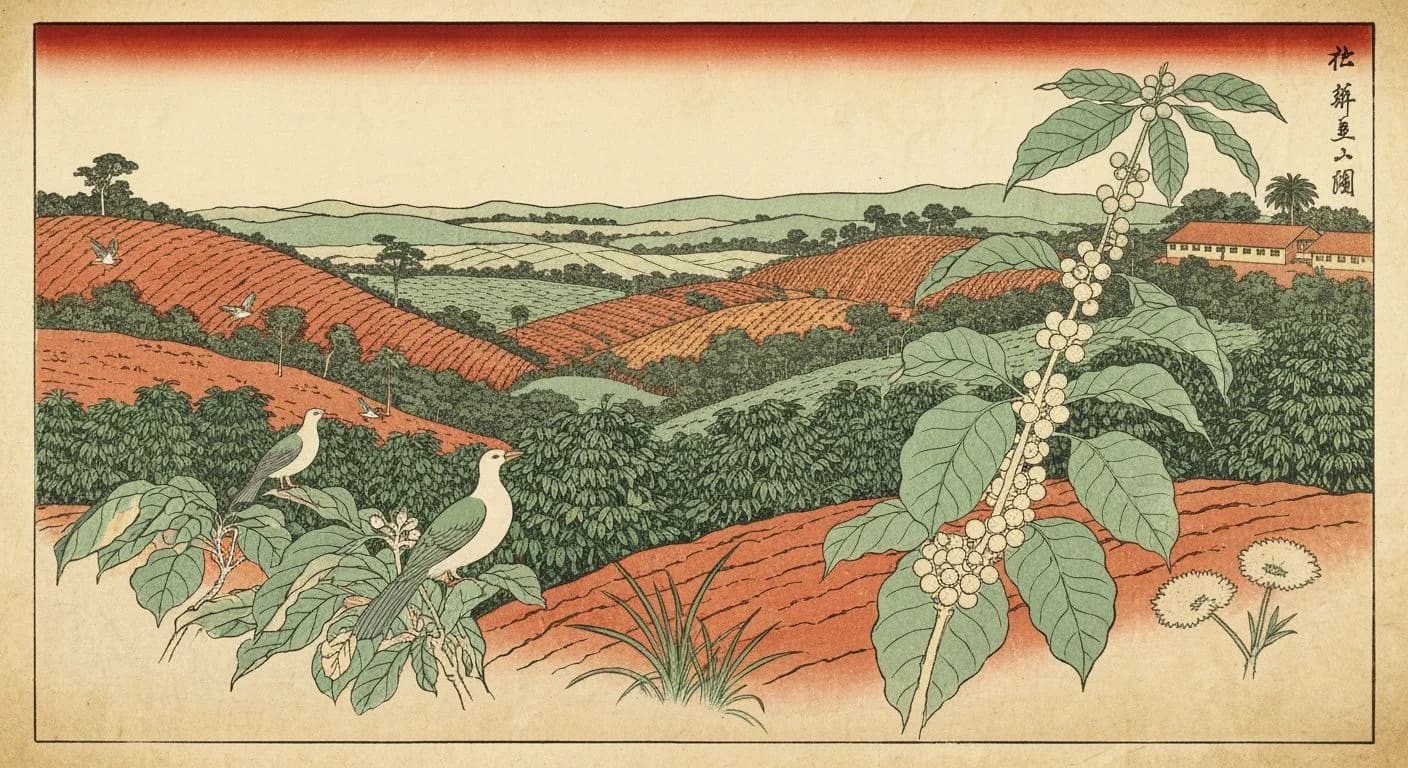
Grown in a narrow mountain range east of Kingston, Blue Mountain is one of the world's most expensive and regulated coffees. Mild, clean, and perfectly balanced with almost no bitterness. Protected by a geographic certification.
Coffee Heritage
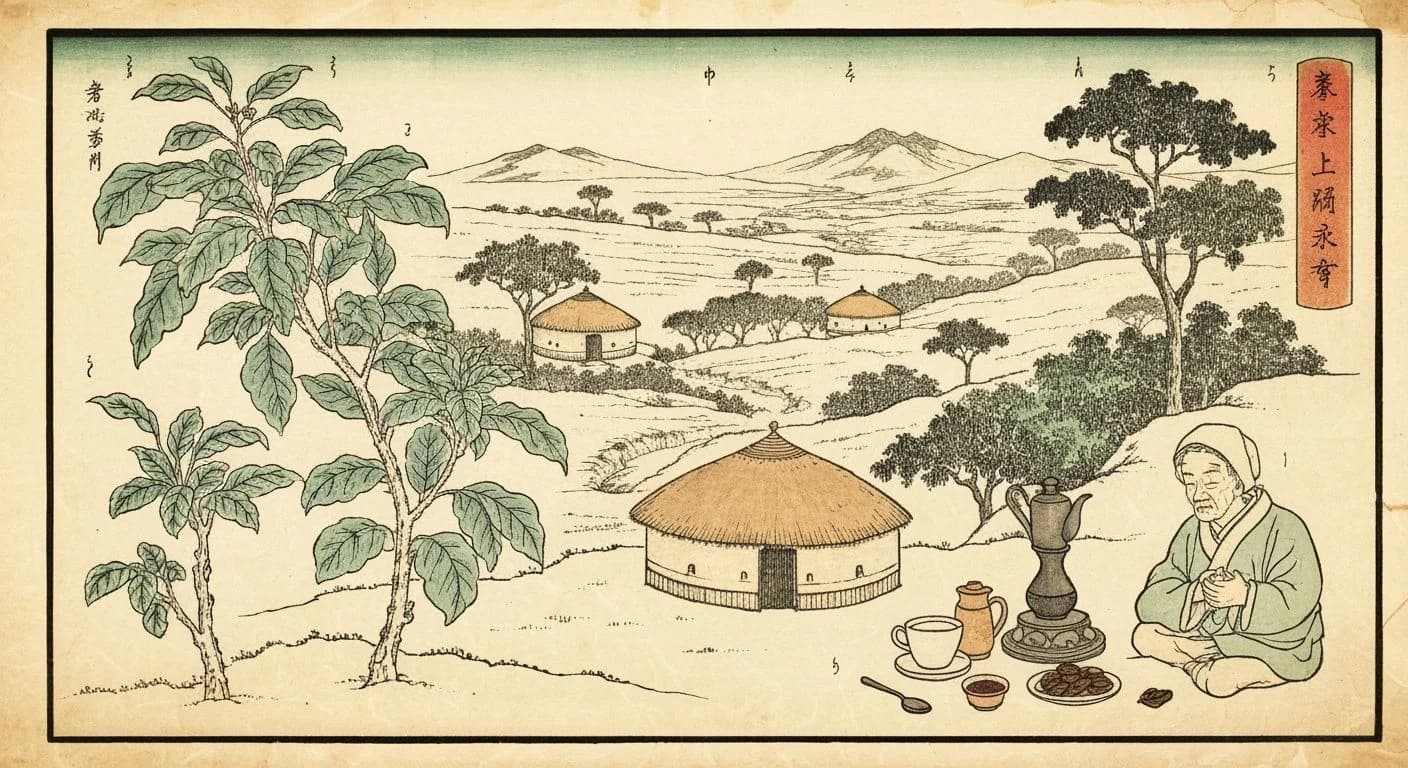
Jamaica Blue Mountain coffee has been cultivated since the 1720s, when the British governor Sir Nicholas Lawes brought seedlings from Martinique. By the 19th century, Jamaican coffee was already commanding premium prices in London. In 1953, the Coffee Industry Board was established to regulate quality and protect the Blue Mountain name. Today, only coffee grown between 900 and 1,700 meters in the designated Blue Mountain region can carry the name -- one of the strictest geographic certifications in the coffee world.
Growing Conditions
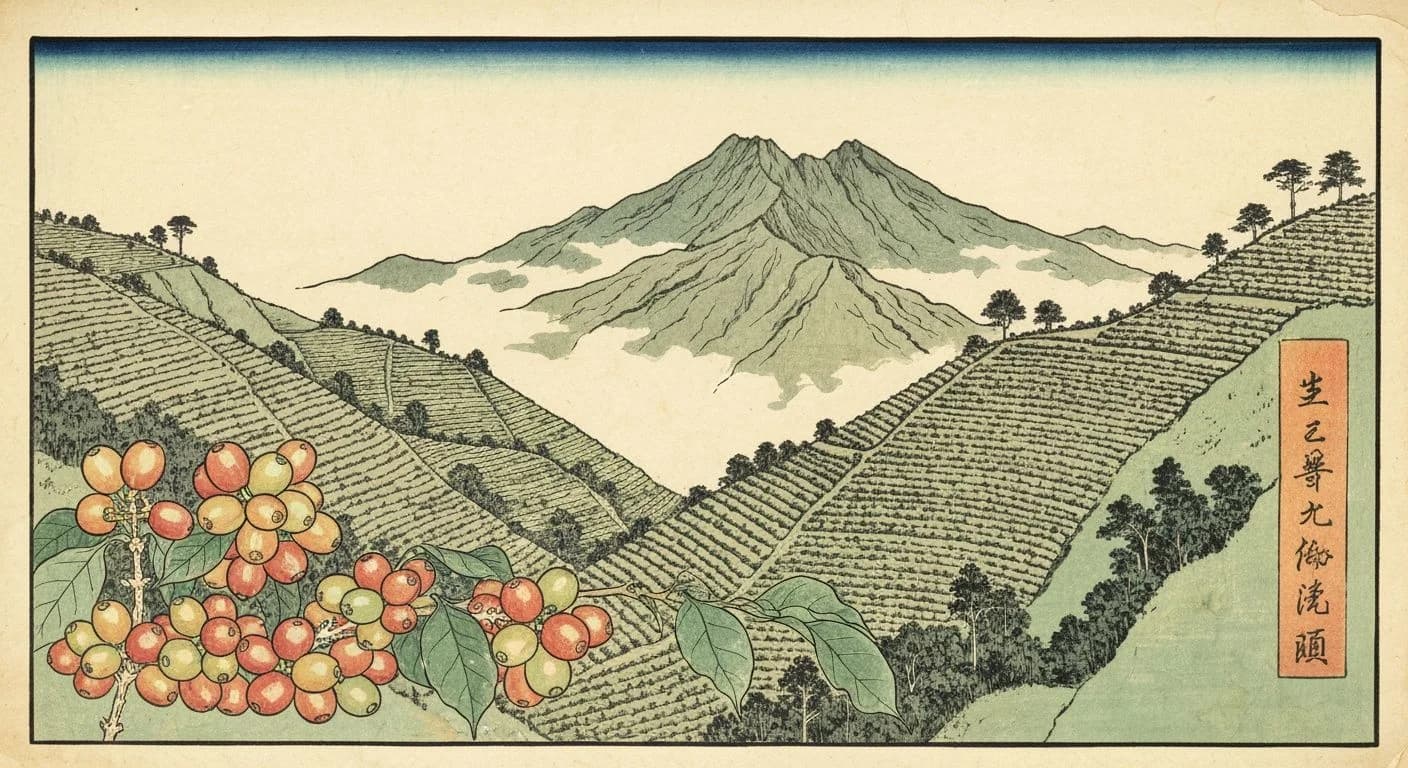
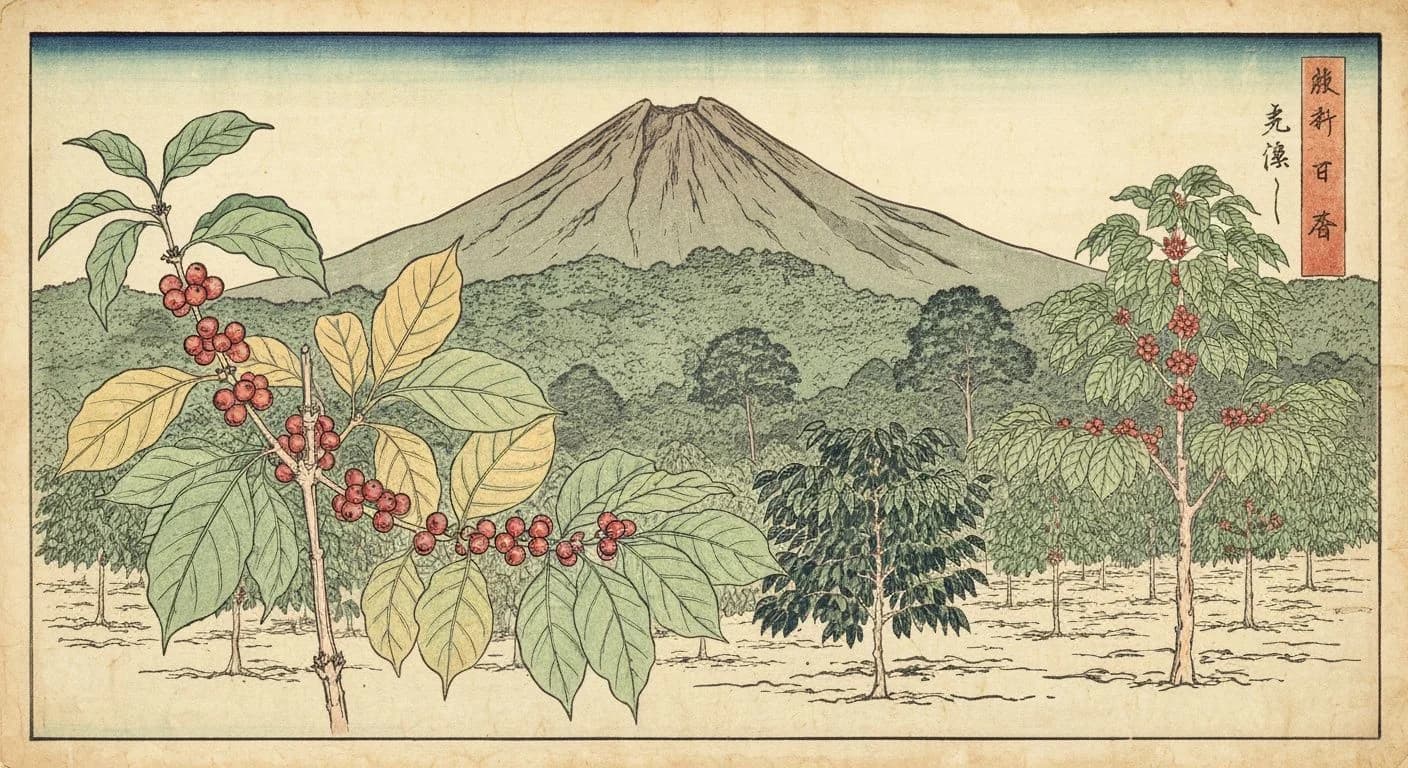
The Blue Mountains rise sharply east of Kingston, reaching 2,256 meters at Blue Mountain Peak. Coffee is grown on steep, often terraced slopes between 900 and 1,700 meters. The mountains are frequently shrouded in mist and cloud cover, which slows cherry maturation dramatically -- Blue Mountain cherries can take 10 months to ripen, compared to 6 months in lower regions. Rainfall is abundant, and the deep, well-drained soil is rich in nitrogen and phosphorus.
Processing Traditions
Washed processing is the standard, with strict quality control at every stage. Cherries must be delivered to processing facilities within 24 hours of picking. The Coffee Industry Board inspects and certifies every batch before it can be sold as Blue Mountain. Beans are shipped in distinctive wooden barrels rather than standard burlap or grain-pro bags -- one of the few coffees in the world still packaged this way.
Flavor Character
What Makes It Special
Blue Mountain is often described as the most "balanced" coffee in existence. While other origins chase intensity -- brighter acidity, bigger fruit notes, heavier body -- Blue Mountain achieves a harmony where nothing is out of place. Its scarcity, strict regulation, and the slow mountain maturation process make it one of the world's most expensive and sought-after coffees. Japan imports roughly 80% of the total production.
Did you know?
Jamaica Blue Mountain is one of the only coffees in the world still shipped in traditional wooden barrels rather than burlap sacks, a practice dating back to the 18th century.