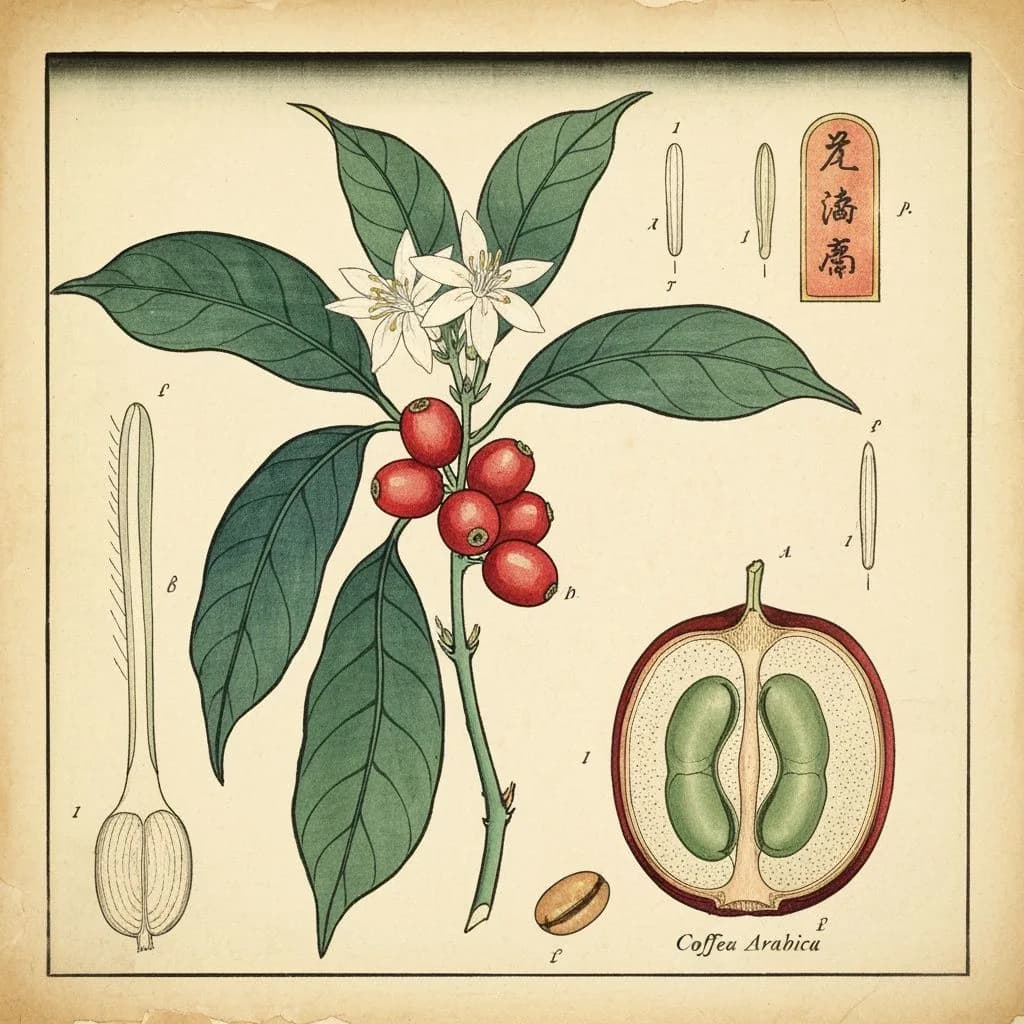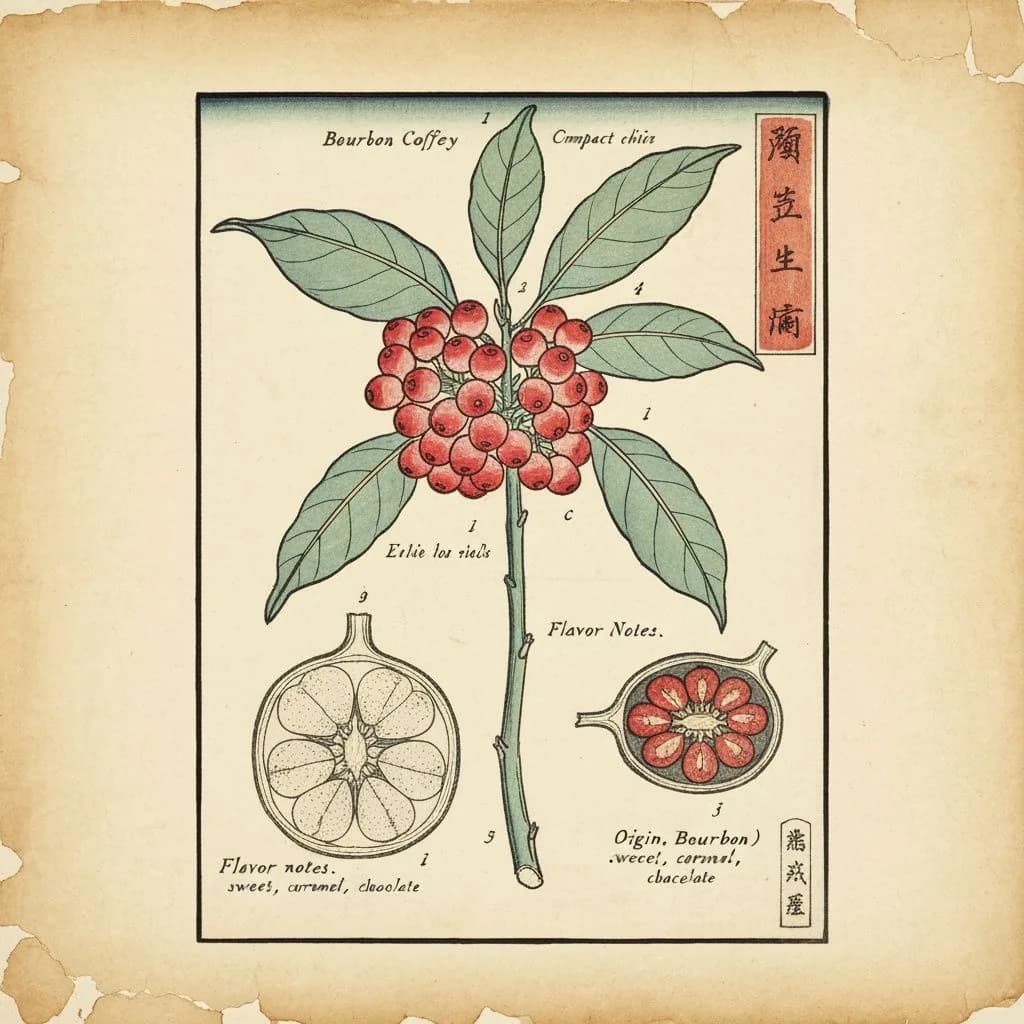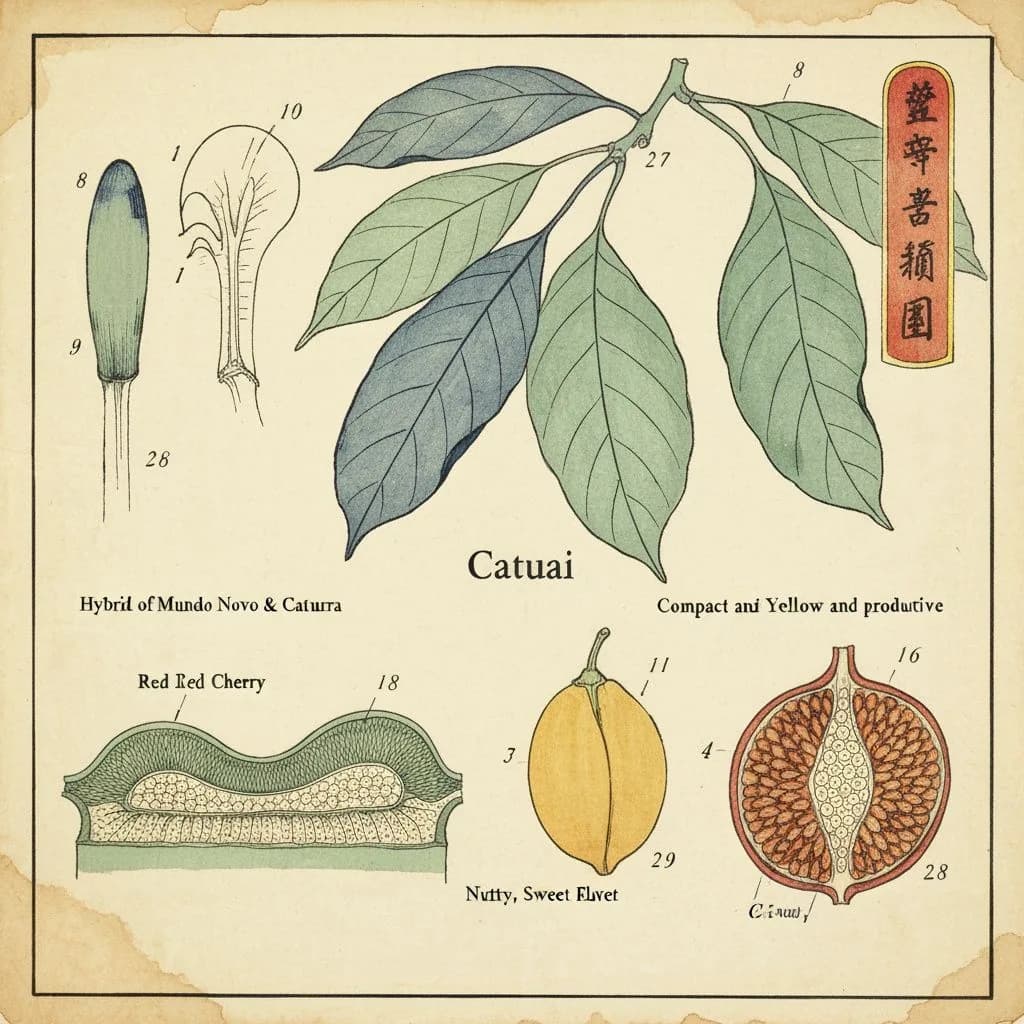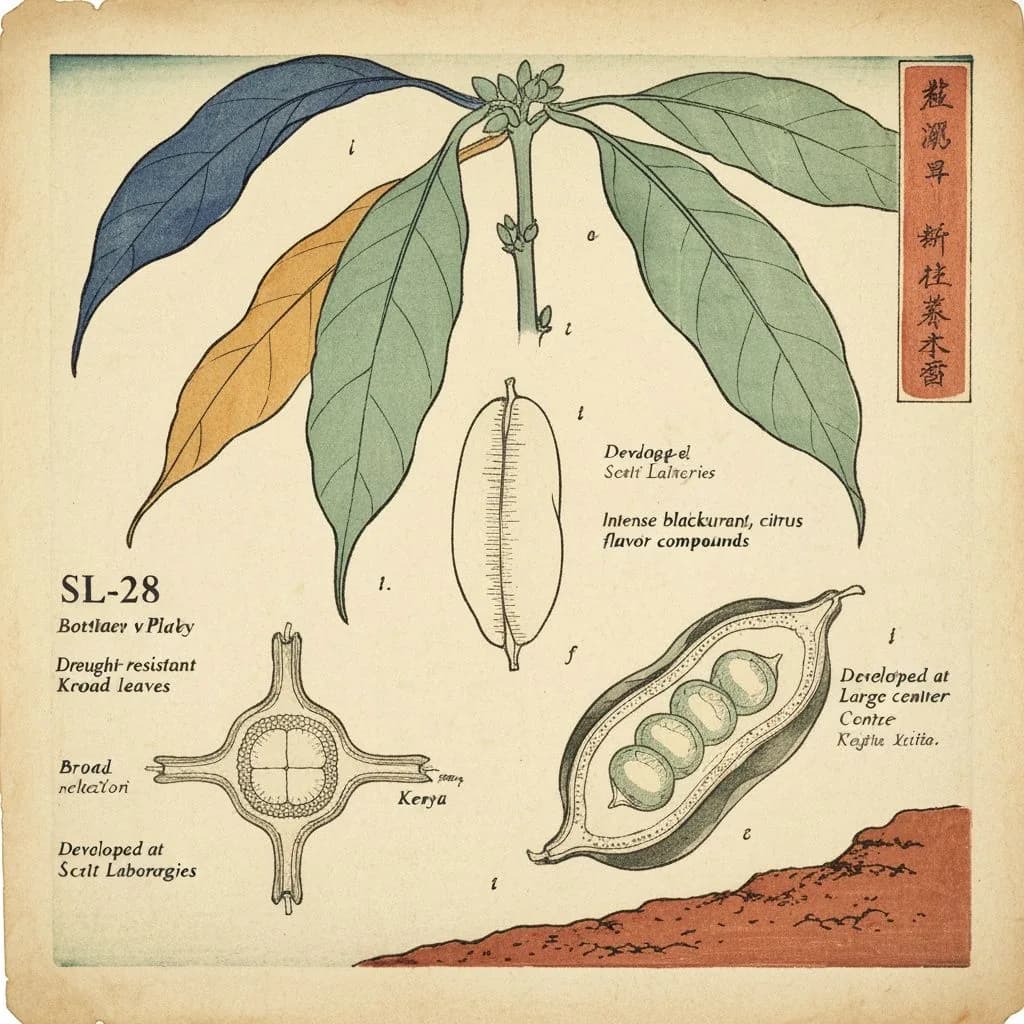
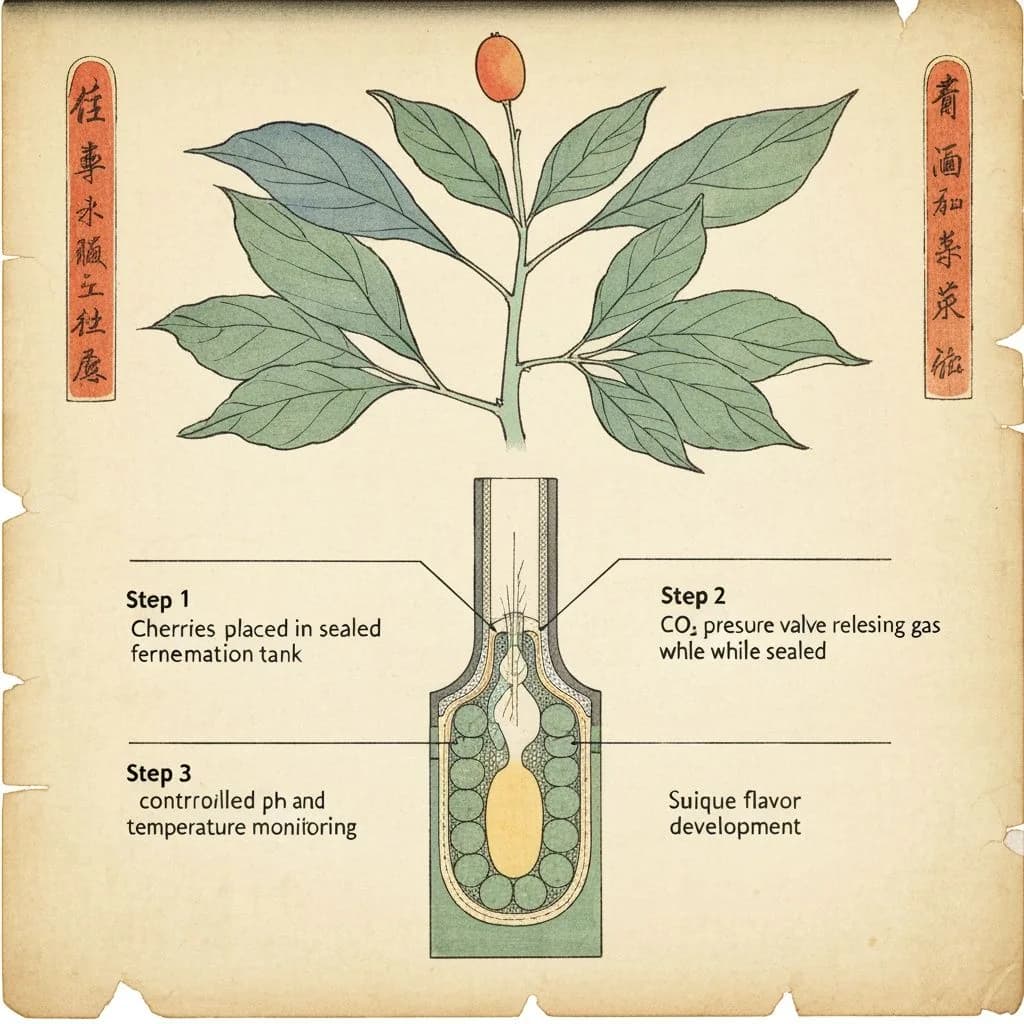
SL-28 - botanical illustration showing plant characteristics and bean cross-section

SL-28

VarietyArabicaMedium Caffeine

SL-28 was developed by Scott Laboratories in Kenya in the 1930s. It is prized for its complex citrus acidity, deep berry and stone fruit flavors, and heavy body. SL-28 is drought-resistant but susceptible to coffee berry disease.

Origin Regions

Growing Altitude

1400-2000m

Kenyas Prized Selection

SL-28 was developed in the 1930s at Scott Agricultural Laboratories (now the National Agricultural Laboratories) in Kenya. Selected from a drought-resistant variety from Tanganyika (modern Tanzania), it was originally chosen for its ability to survive harsh conditions. What researchers did not expect was that it would produce one of the most extraordinary cup profiles in the coffee world.

Characteristics

SL-28 is a tall, open-branching tree with broad leaves and large cherries. It has deep root systems that allow it to access moisture during dry periods, contributing to its drought tolerance. The variety is susceptible to coffee berry disease (CBD) and leaf rust, which limits its viability outside of Kenya, but its cup quality makes it worth the extra effort for dedicated producers.

Flavor Profile

SL-28 is legendary among specialty coffee professionals:

Kenyas unique terroir of red volcanic soils, high altitude, and distinct wet/dry seasons amplifies these characteristics, making Kenyan SL-28 among the most sought-after and expensive coffees globally.

Growing Conditions

SL-28 performs best at elevations between 1,500-2,100 meters on Kenyas central highlands. The variety requires careful management and is typically grown on small estates or by cooperatives of smallholder farmers who deliver cherries to central washing stations.

Competition Success

SL-28 lots regularly command top prices at Kenyan coffee auctions and have won numerous Cup of Excellence and other specialty competitions. AA grade SL-28 from estates like Nyeri, Kiambu, and Kirinyaga are benchmark coffees for the specialty industry.

Best Brewing Methods

SL-28 demands attention and rewards it. Pour-over methods at light to medium roast showcase the blackcurrant complexity. Its also exceptional as a single-origin espresso where the concentrated body and acidity create an electric shot.

Did you know?

SL-28 is thought to have its genetic origins in the Tanganyika Drought Resistant variety from Tanzania.

Related
Frequently Asked Questions

What does SL-28 taste like?
SL-28 is known for blackcurrant, citrus, berry, wine-like flavor notes. It has a ## kenyas prized selection sl-28 was developed in the 1930s at scott agricultural laboratories (now the national agricultural laboratories) in kenya. selected from a drought-resistant variety from tanganyika (modern tanzania), it was originally chosen for its ability to survive harsh conditions. what researchers did not expect was that it would produce one of the most extraordinary cup profiles in the coffee world. ## characteristics sl-28 is a tall, open-branching tree with broad leaves and large cherries. it has deep root systems that allow it to access moisture during dry periods, contributing to its drought tolerance. the variety is susceptible to coffee berry disease (cbd) and leaf rust, which limits its viability outside of kenya, but its cup quality makes it worth the extra effort for dedicated producers. ## flavor profile sl-28 is legendary among specialty coffee professionals: - intense blackcurrant and dark berry notes - bright, phosphoric acidity that is juicy and vibrant - complex citrus layers including grapefruit and blood orange - full body with a syrupy, wine-like mouthfeel - long, sweet finish with brown sugar and spice kenyas unique terroir of red volcanic soils, high altitude, and distinct wet/dry seasons amplifies these characteristics, making kenyan sl-28 among the most sought-after and expensive coffees globally. ## growing conditions sl-28 performs best at elevations between 1,500-2,100 meters on kenyas central highlands. the variety requires careful management and is typically grown on small estates or by cooperatives of smallholder farmers who deliver cherries to central washing stations. ## competition success sl-28 lots regularly command top prices at kenyan coffee auctions and have won numerous cup of excellence and other specialty competitions. aa grade sl-28 from estates like nyeri, kiambu, and kirinyaga are benchmark coffees for the specialty industry. ## best brewing methods sl-28 demands attention and rewards it. pour-over methods at light to medium roast showcase the blackcurrant complexity. its also exceptional as a single-origin espresso where the concentrated body and acidity create an electric shot. body and medium caffeine content.
What is the best way to brew SL-28?
SL-28 performs best with pour over, french press. These methods complement the bean's natural characteristics and extract the most balanced flavor. Experiment with grind size and water temperature to dial in your preferred taste.
Where is SL-28 coffee grown?
SL-28 is primarily grown in Kenya, Uganda, Zimbabwe. The terroir of these regions -- altitude, soil composition, rainfall, and microclimate -- directly shapes the bean's flavor profile and determines which tasting notes develop during growth and processing.
How much caffeine does SL-28 have?
SL-28 has moderate caffeine content, typical of most Arabica varieties and suitable for all-day drinking. Actual caffeine in your cup depends on brewing method, dose, and water temperature more than the bean variety itself.

Researched and compiled by CoffeeTrove. Last updated March 2026.