Kenya AA
Kenyan coffees are among the most complex in the world. The AA designation refers to screen size. Expect intense blackcurrant acidity, tomato-like brightness, and a syrupy body.
Flavor Notes
Processing Methods
Coffee Heritage
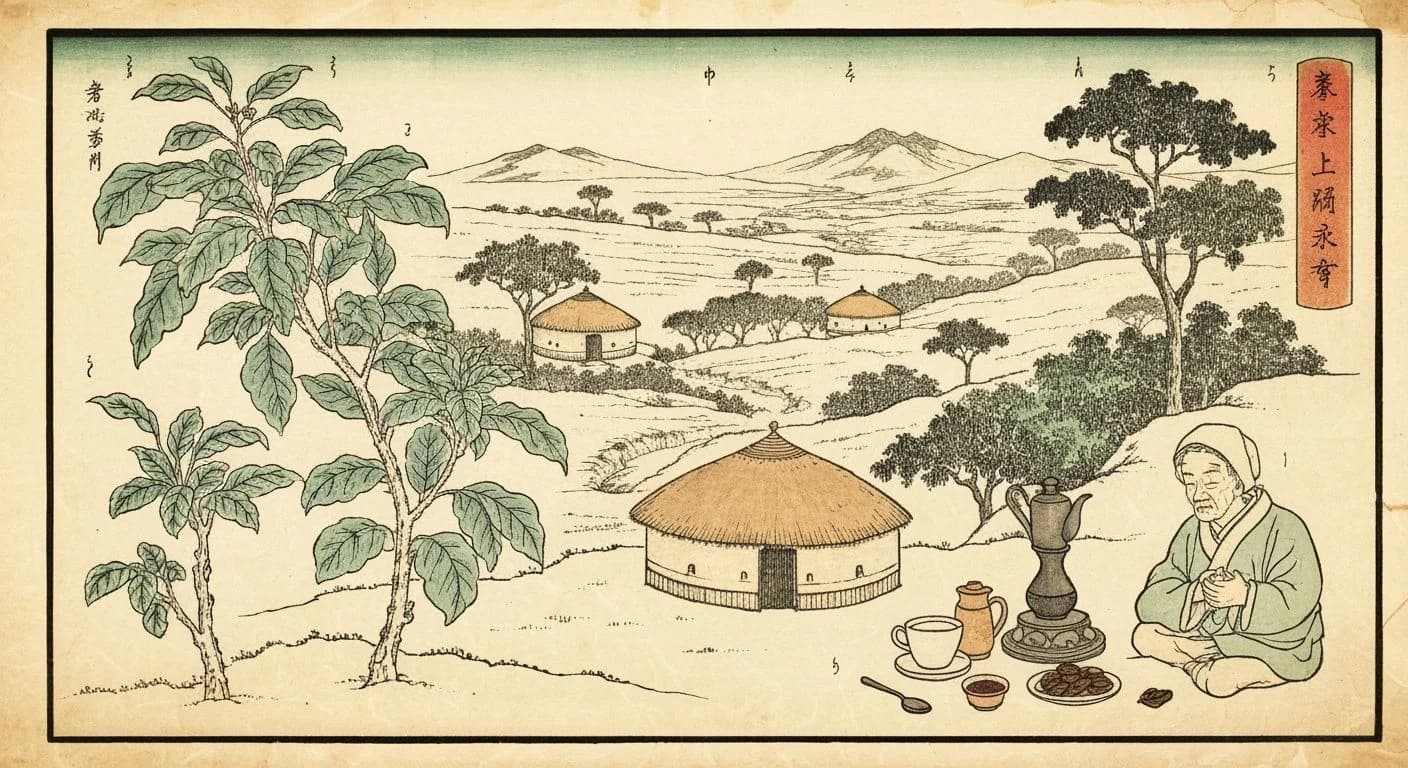
Coffee was introduced to Kenya by British colonists in the early 1900s, and the country quickly developed a reputation for producing some of the most vibrant and complex coffees in the world. The Kenyan auction system, established in the 1930s, grades and sells coffee lots by quality, driving competition among farmers. The "AA" designation refers to the largest screen size (17-18), though size alone does not guarantee quality.
Growing Conditions
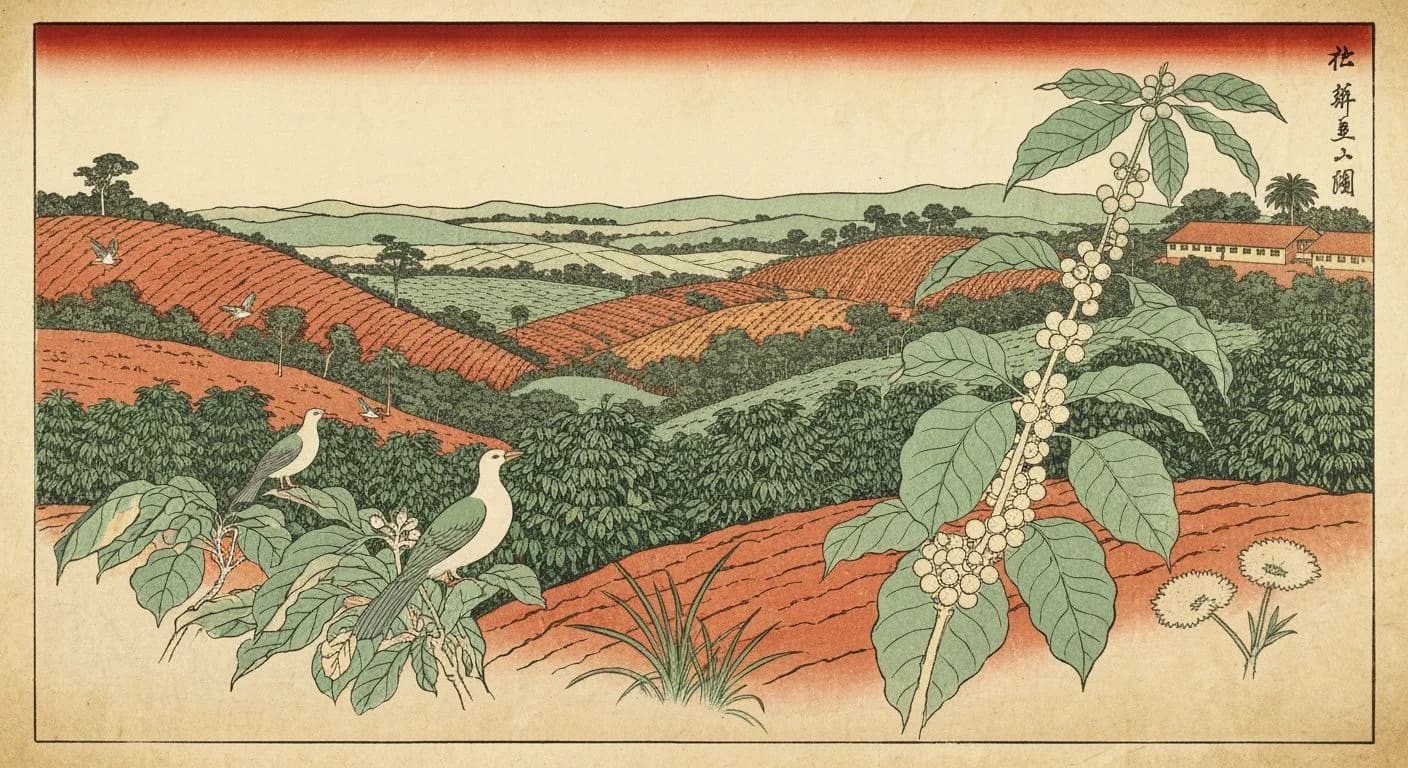
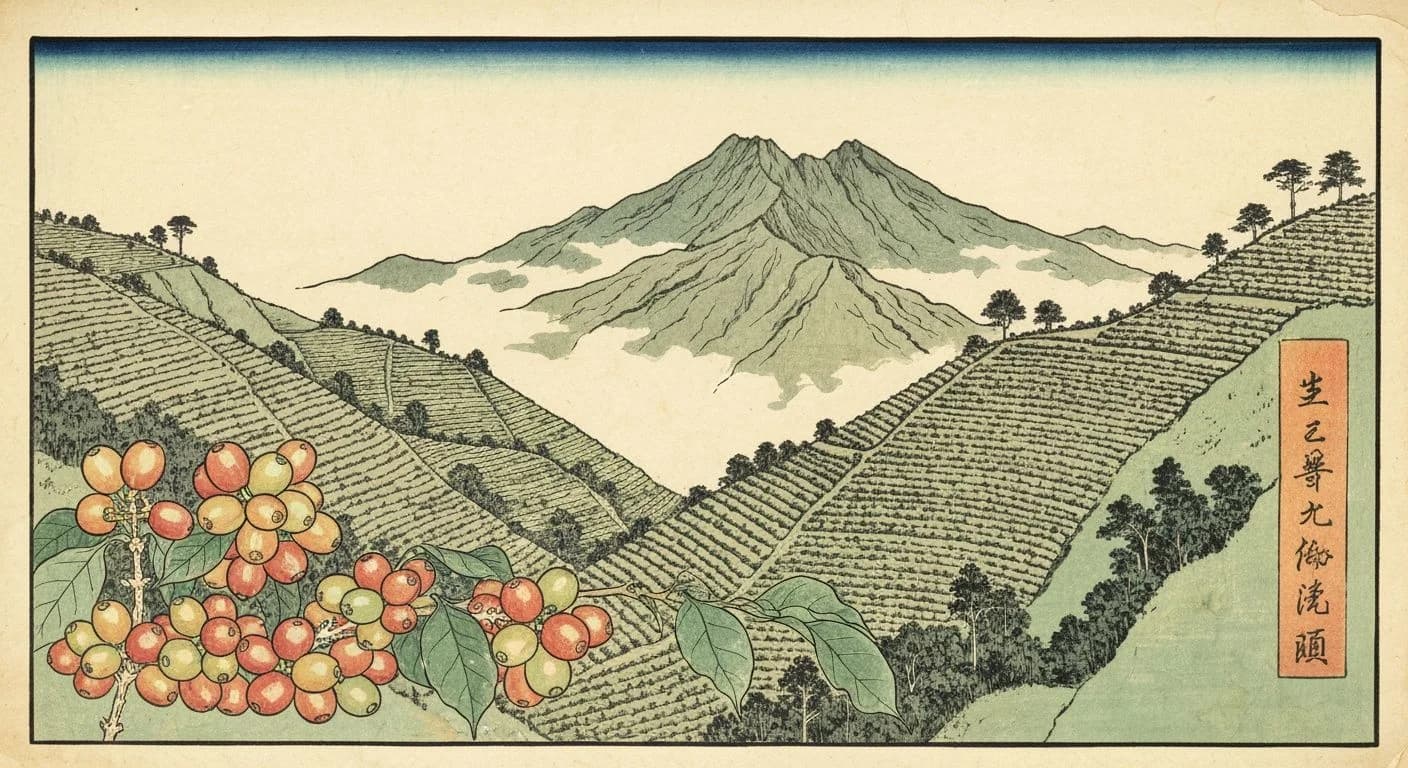
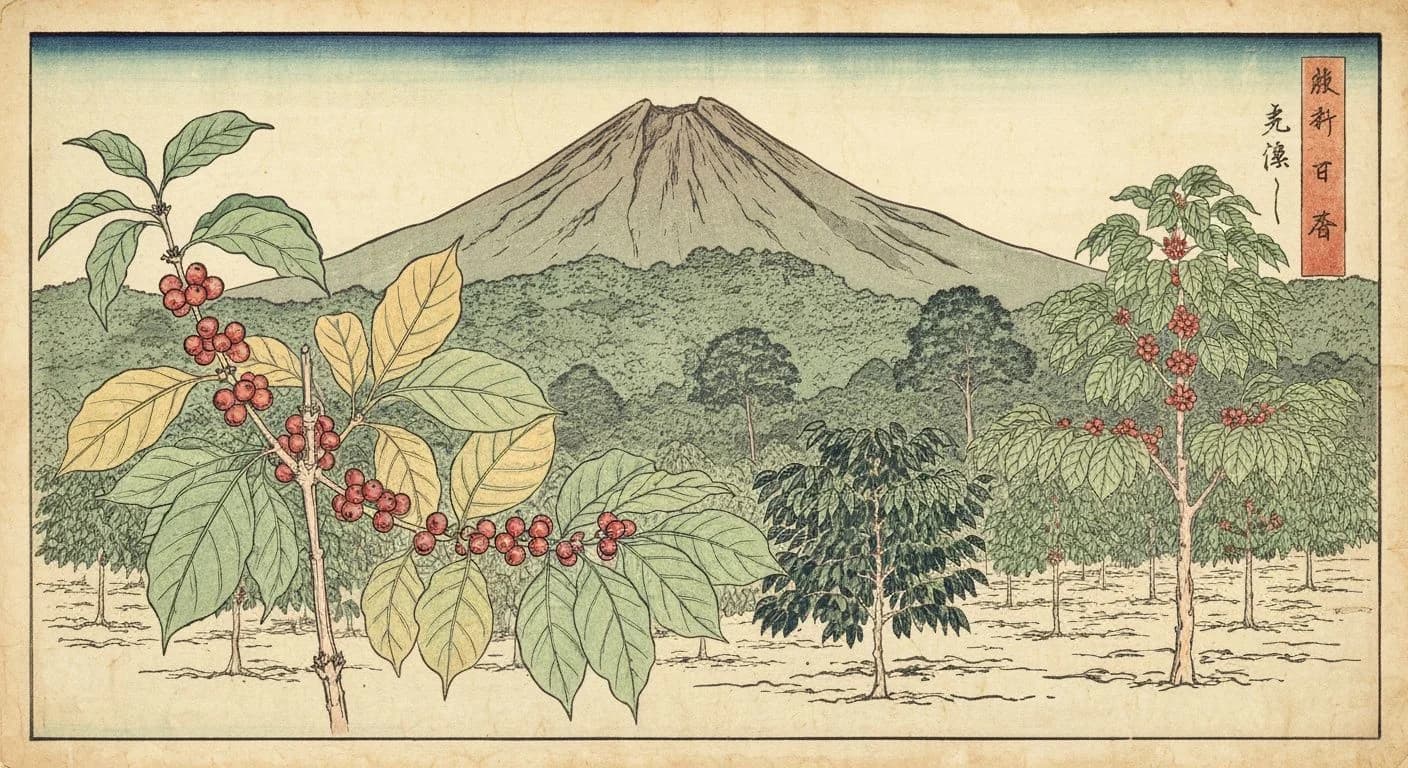
Kenya's Central Highlands, flanking Mount Kenya, provide altitudes of 1,400 to 2,000 meters with rich volcanic red soil. The equatorial location delivers two rainy seasons and two harvests per year -- the main crop (October to December) and the "fly crop" (June to August). The SL-28 and SL-34 cultivars, developed at Scott Agricultural Laboratories in the 1930s, are uniquely adapted to these conditions.
Processing Traditions
Kenya is firmly in the washed processing camp. The "Kenyan method" involves a double fermentation: cherries are pulped, fermented for 12 to 24 hours, washed, fermented again, and then soaked in clean water before drying on raised beds. This meticulous process produces exceptional clarity and allows the inherent fruit character to shine.
Flavor Character
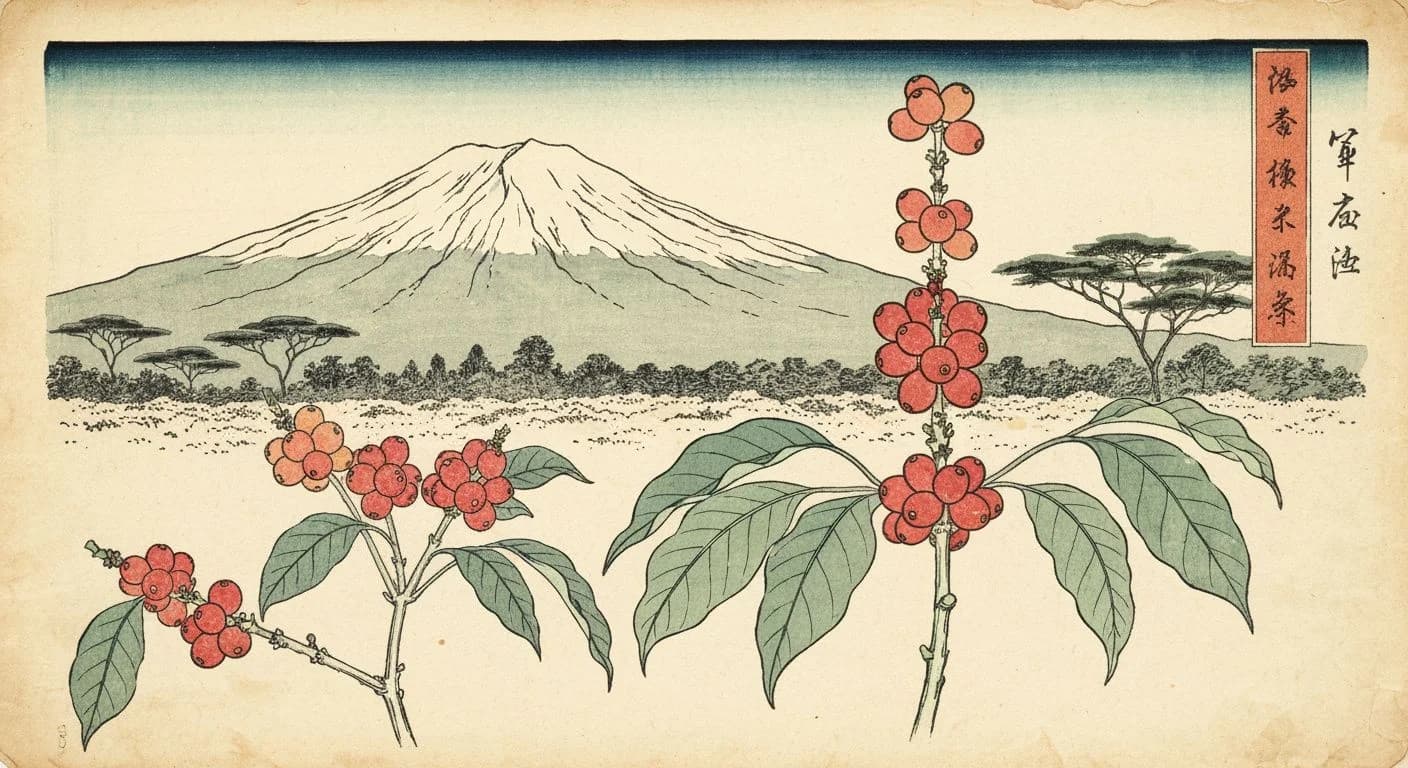
- Intense blackcurrant and berry acidity that defines the cup
- Tomato-like brightness and juiciness
- Grapefruit and citrus zest layered through the profile
- Brown sugar and molasses sweetness underneath the fruit
- Full, syrupy body with a long, complex finish
What Makes It Special
Kenyan coffee at its best is among the most electrifying in the world. The combination of SL-28 and SL-34 cultivars, volcanic soil, and double fermentation washing produces a flavor intensity that no other origin replicates. A top-scoring Kenya AA lot is often the highlight of any cupping table.
Did you know?
The SL-28 cultivar, responsible for Kenya's iconic blackcurrant flavor, was selected from a single tree in Tanganyika (now Tanzania) in 1931 and has remained largely unchanged for nearly a century.