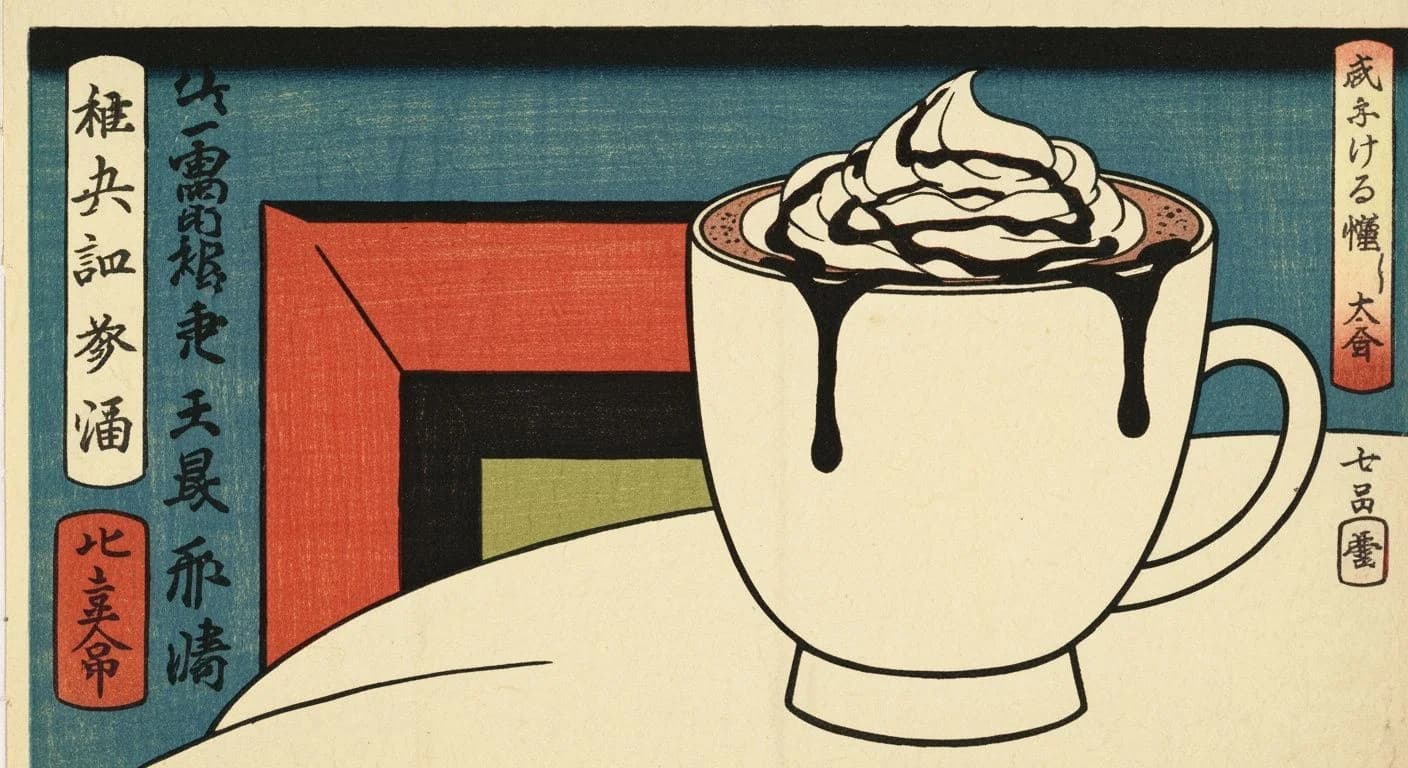
Mocha
Espresso, steamed milk, and chocolate - the drink that bridges coffee and dessert. Rich, sweet, and warming, with the bitterness of espresso balanced by cocoa. Often topped with whipped cream.
Ingredients
Espresso, steamed milk, chocolate syrup, whipped cream (optional)
Variations
History of the Mocha
The name "mocha" originates from the port city of Mocha (Al-Makha) in Yemen, which was a major coffee trading hub from the 15th to 18th centuries. Yemeni coffee beans were known for their natural chocolate-like flavor notes, and over time, the association between "mocha" and chocolate-coffee became permanent. The modern cafe mocha -- espresso, steamed milk, and chocolate -- is an American invention that formalized this pairing into a specific drink.
How It Is Made
A mocha combines espresso, chocolate, and steamed milk. The chocolate component can be cocoa powder mixed into the espresso, chocolate syrup, or melted dark chocolate. One or two shots of espresso are mixed with the chocolate until fully dissolved, then topped with steamed milk and optional whipped cream. The standard ratio is similar to a latte but with 1-2 tablespoons of chocolate added. Some recipes layer the ingredients; others blend them together.
Flavor Profile
The mocha is rich, indulgent, and dessert-like. The chocolate amplifies the natural cocoa notes present in many espresso blends, creating a harmonious, deeply satisfying flavor. It is sweeter than other espresso drinks, with a full body and a luxurious mouthfeel. The bitterness of dark chocolate and espresso balance the milk sweetness, preventing it from becoming cloying. Well-made mochas taste like sophisticated hot chocolate with a coffee backbone.
Variations and Customization
- White mocha: white chocolate sauce instead of dark
- Peppermint mocha: seasonal favorite with mint syrup
- Iced mocha: served cold with chocolate drizzle
- Dark mocha: extra-dark chocolate for less sweetness
- Mocha frappe: blended with ice
Best Coffee to Use
Dark roast espresso with natural chocolate and nutty notes creates the most cohesive mocha. The chocolate addition means you want beans that complement rather than compete with cocoa flavors. Brazilian, Sumatran, or Guatemalan beans with low acidity and earthy depth are ideal. Avoid fruity or floral espressos, as they clash with chocolate.
Did you know?
The port of Mocha in Yemen, which gave the drink its name, was once the coffee capital of the world -- for over 200 years, nearly all of the global coffee trade passed through its harbor.
Related Drinks
Frequently Asked Questions
What is a Mocha?▼
What is the difference between a Mocha and a latte?▼
How do you order a Mocha at a cafe?▼
Can you make a Mocha at home?▼
Researched and compiled by CoffeeTrove. Last updated March 2026.