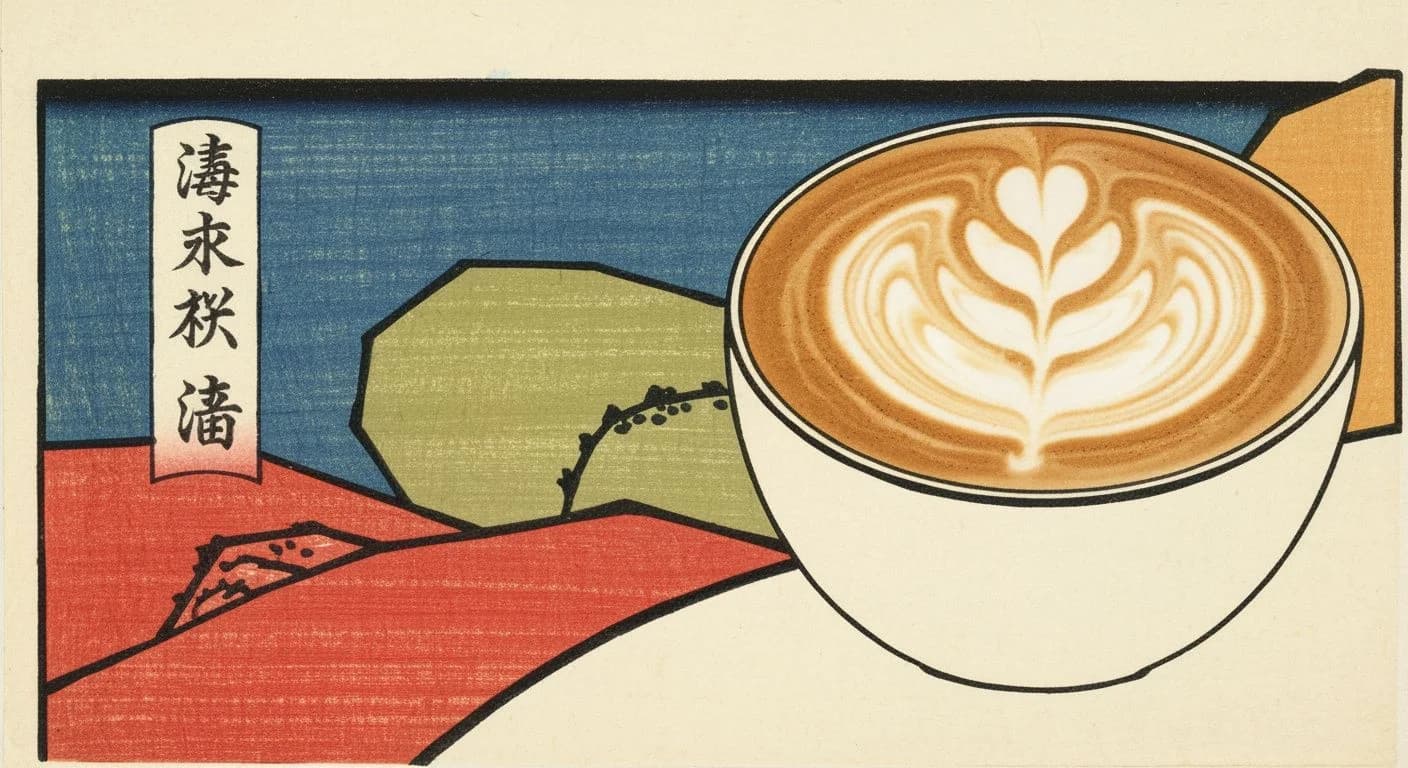
Latte
Espresso with steamed milk and a thin layer of foam. The most popular espresso-based drink worldwide. A blank canvas for flavored syrups and latte art.
Ingredients
Espresso, steamed milk, light foam
Variations
History of the Latte
"Caffe latte" simply means "milk coffee" in Italian, and the concept of mixing coffee with milk has existed for centuries across Europe. However, the modern latte -- espresso with a large proportion of steamed milk -- was popularized in American coffee shops during the 1980s and 1990s. In Italy, ordering a "latte" will get you a glass of plain milk. The espresso latte as a craft beverage, complete with latte art, became a symbol of the third-wave coffee movement.
How It Is Made
A latte begins with a single or double shot of espresso in a large cup (240-360ml). Milk is steamed to 60-65 degrees Celsius with a thin layer of microfoam -- less foam than a cappuccino but more than a flat white. The steamed milk is poured in a steady stream, ideally creating latte art on the surface. The ratio is typically 1 part espresso to 4-5 parts milk, making it the mildest of the espresso-and-milk drinks.
Flavor Profile
The latte is creamy, smooth, and gently coffee-flavored. The large volume of steamed milk softens and sweetens the espresso significantly, resulting in a drink that is approachable and comforting. Milk-forward by design, it offers subtle coffee notes wrapped in velvety dairy sweetness. This makes it the perfect canvas for flavored syrups and an ideal entry point for new coffee drinkers.
Variations and Customization
- Flavored lattes: vanilla, caramel, hazelnut, lavender, pumpkin spice
- Oat milk latte: the most popular non-dairy version for its creamy texture
- Chai latte: tea-based, no coffee, spiced milk drink
- Matcha latte: green tea powder instead of espresso
- Dirty latte: extra shot of espresso for more coffee flavor
Best Coffee to Use
Since milk dominates the flavor, choose espresso beans with strong, bold character that can punch through. Dark roast blends with chocolate and caramel notes are traditional. For specialty lattes, a medium roast with toffee or hazelnut qualities adds complexity. The beans should produce a rich, thick crema.
Did you know?
Ordering a "latte" in Italy will get you a confused look and a glass of cold milk -- you need to say "caffe latte" to get the espresso drink.
Related Drinks
Frequently Asked Questions
What is a Latte?▼
What is the difference between a Latte and a cappuccino?▼
How do you order a Latte at a cafe?▼
Can you make a Latte at home?▼
Researched and compiled by CoffeeTrove. Last updated March 2026.