Mexico Chiapas
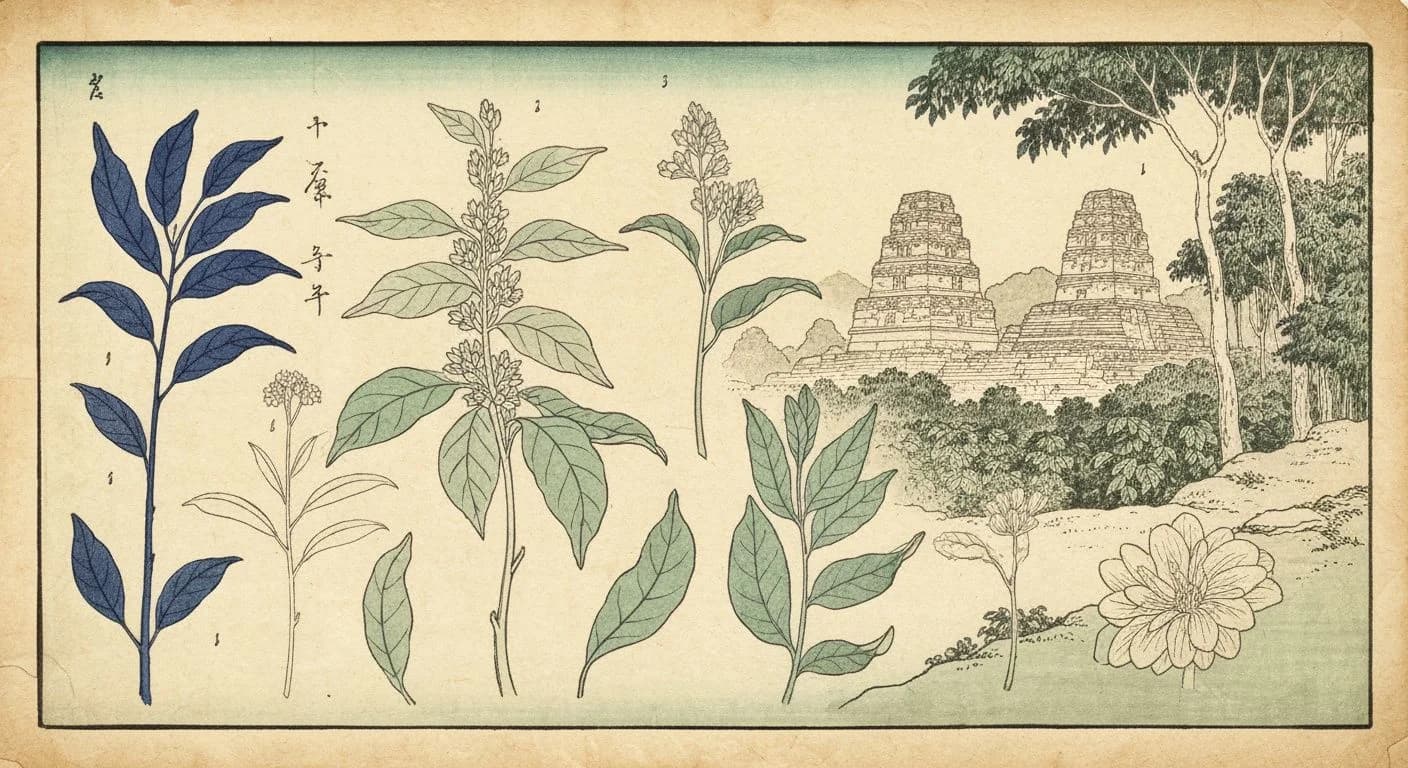
Mexico is the world's 10th largest coffee producer, with Chiapas producing the best specialty lots. Organic farming is widespread. The cup is light and approachable with bright acidity and chocolate notes.
Flavor Notes
Processing Methods
Coffee Heritage
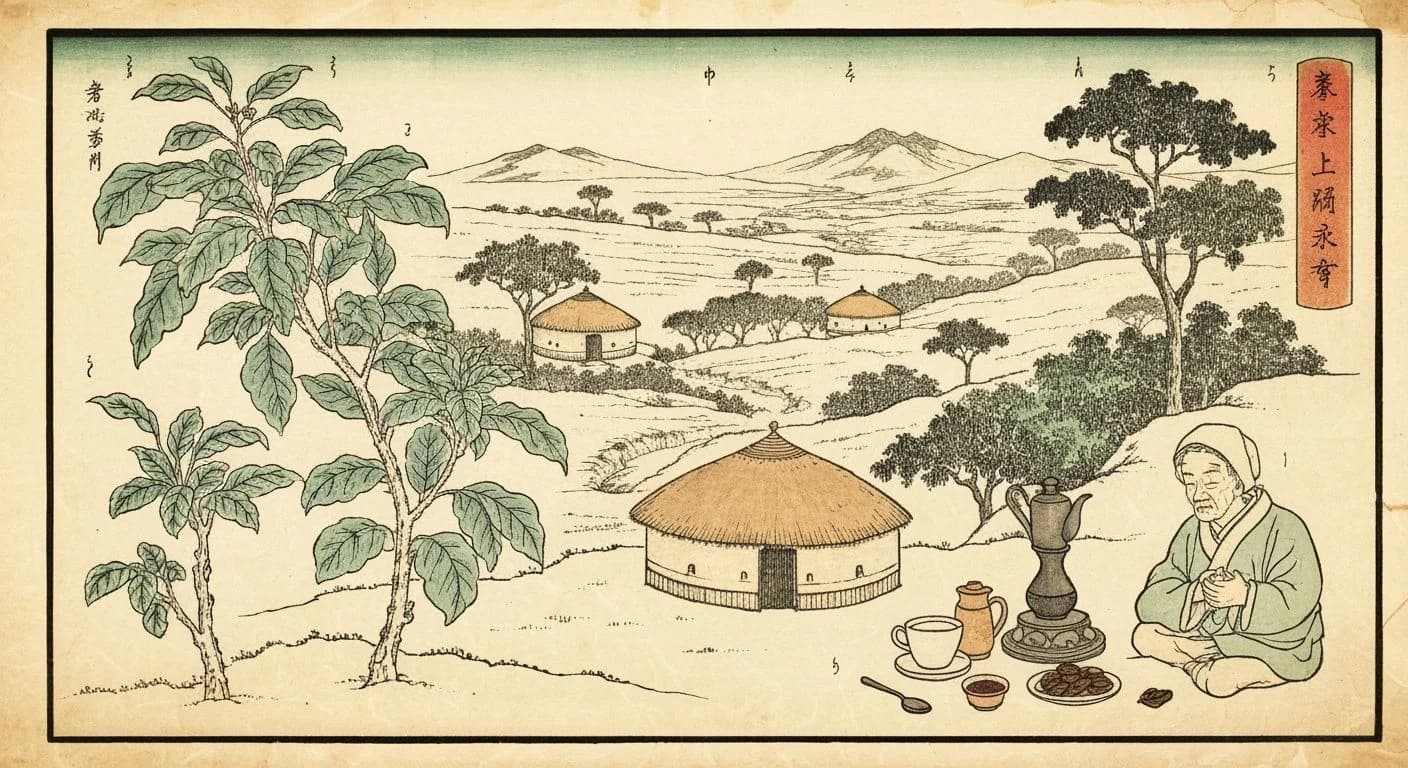
Coffee arrived in Mexico in the late 1700s, but large-scale cultivation began in the southern state of Chiapas during the 19th century, driven by German and Italian immigrant farmers. After the Mexican Revolution, land reforms redistributed many large estates to indigenous communities, who continue to farm coffee on small plots today. Mexico is the world's largest producer of organic coffee, and Chiapas leads that effort. The state produces more certified organic and Fair Trade coffee than any other region in the Americas.
Growing Conditions
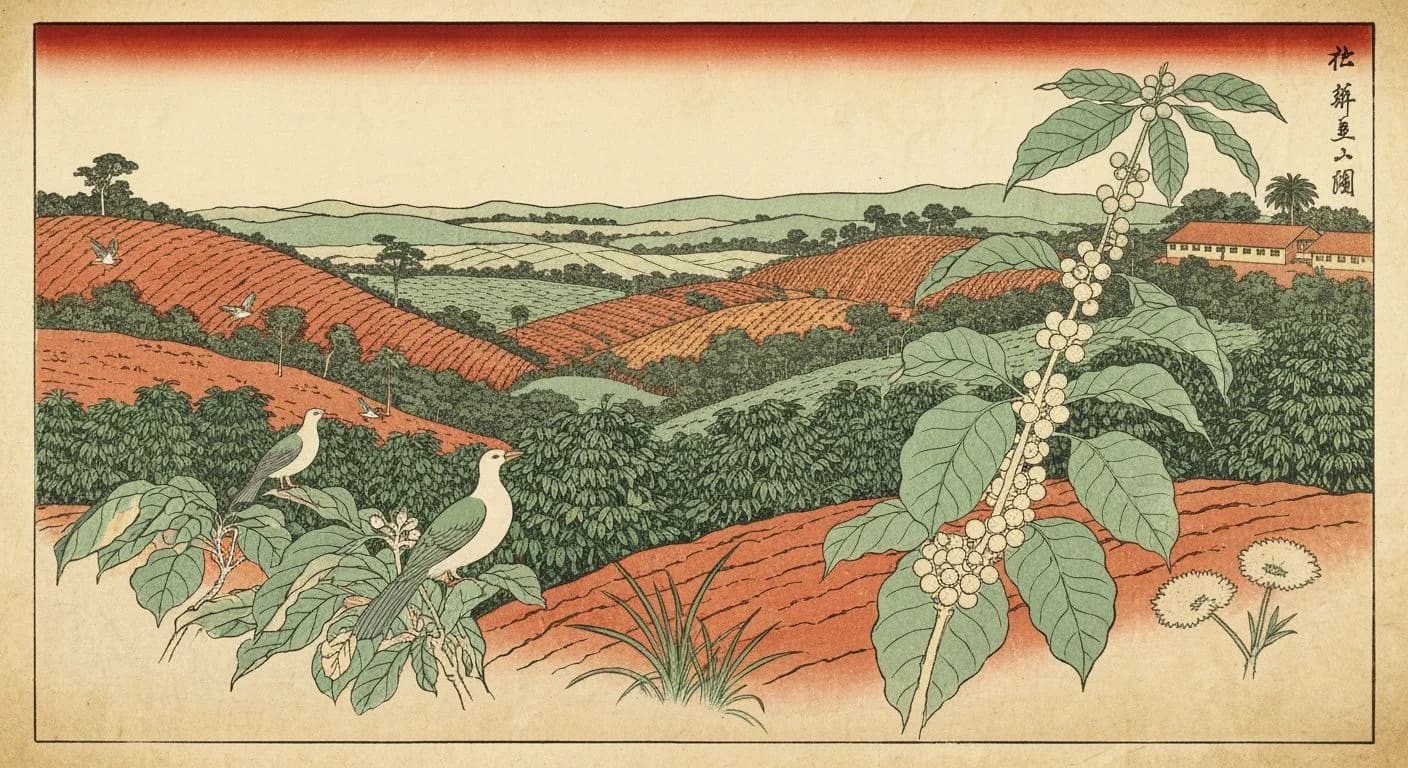
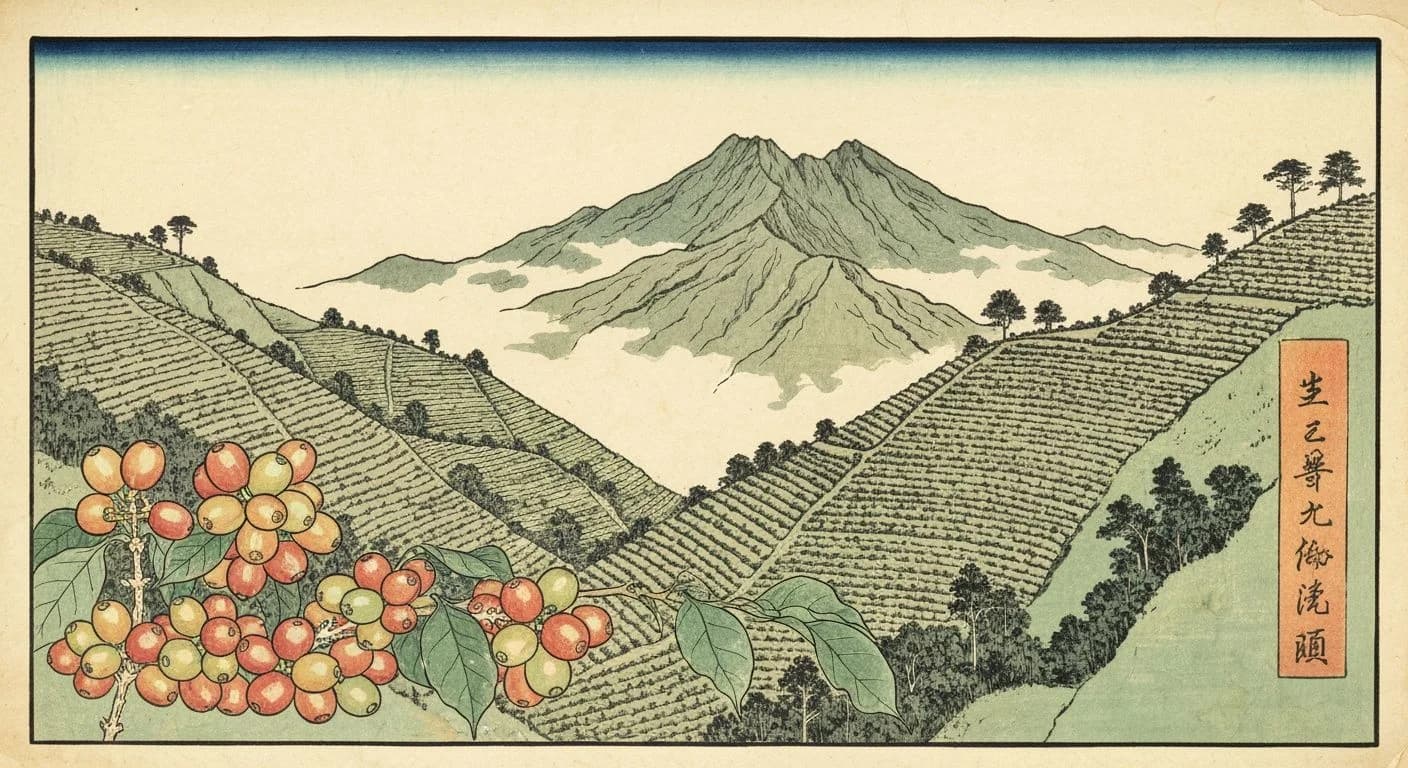
Chiapas coffee grows at 900 to 1,700 meters in the Sierra Madre mountains near the Guatemalan border. The volcanic soil is rich and well-drained, and the region receives 2,000 to 3,000 mm of annual rainfall. Cloud forests provide natural shade, and biodiversity is high -- many coffee farms double as de facto nature reserves. The combination of altitude variation and microclimates across the state produces a range of flavor profiles from a single region.
Processing Traditions
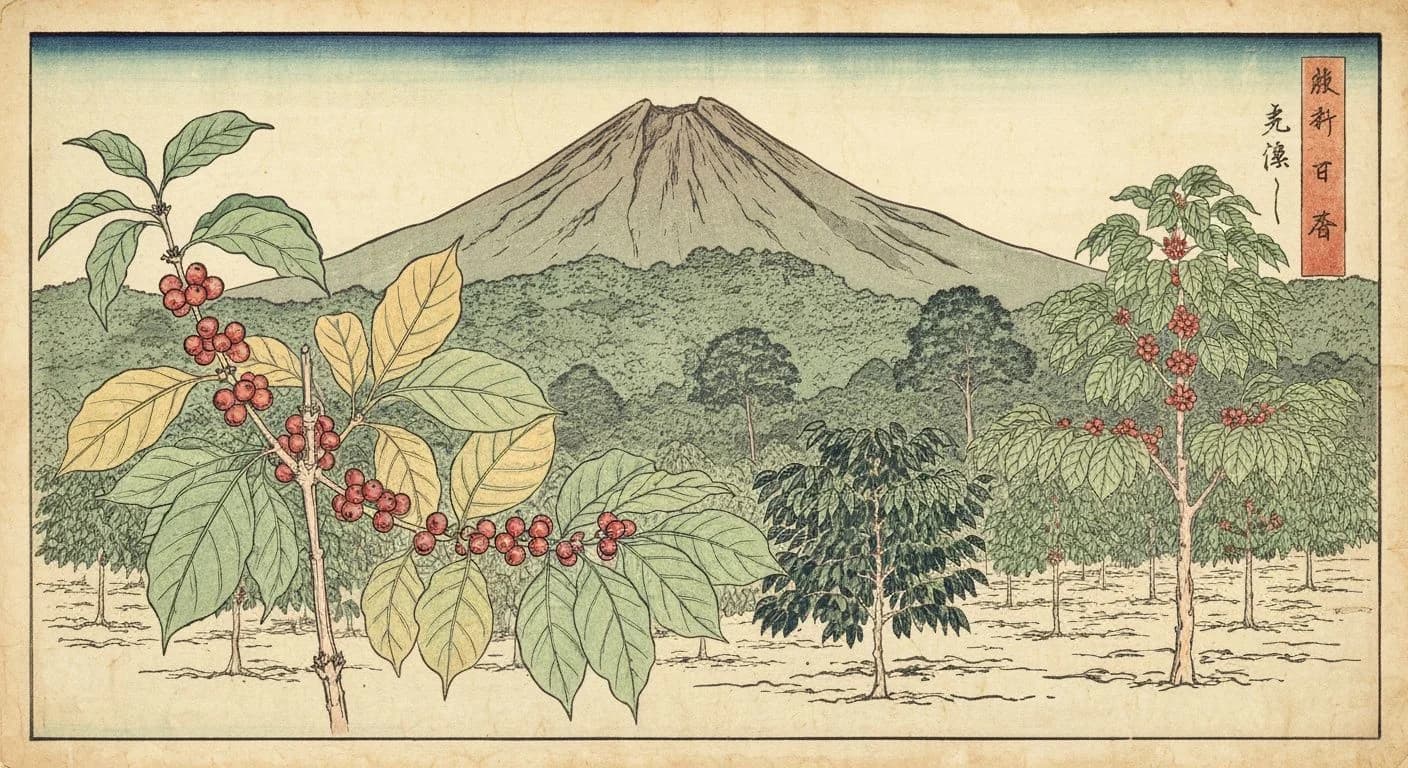
Washed processing is the standard, with most farmers depulping cherries using small hand-cranked or motorized pulpers and fermenting in simple concrete or plastic tanks. Cooperatives play a major role, pooling resources for quality processing and marketing. Organic certification is widespread, partly because many smallholder farmers cannot afford chemical inputs and partly due to organized cooperative efforts to capture premium markets.
Flavor Character
What Makes It Special
Mexico Chiapas is the approachable gateway to specialty coffee. Its clean, balanced profile makes it one of the most versatile origins for any brew method -- from drip to espresso to cold brew. The region's dominance in organic and Fair Trade certification means that choosing Chiapas supports some of the most sustainable farming practices in the coffee world.
Did you know?
Mexico is the world's largest producer of certified organic coffee, and the majority of it comes from indigenous farming cooperatives in Chiapas that have never used synthetic chemicals.