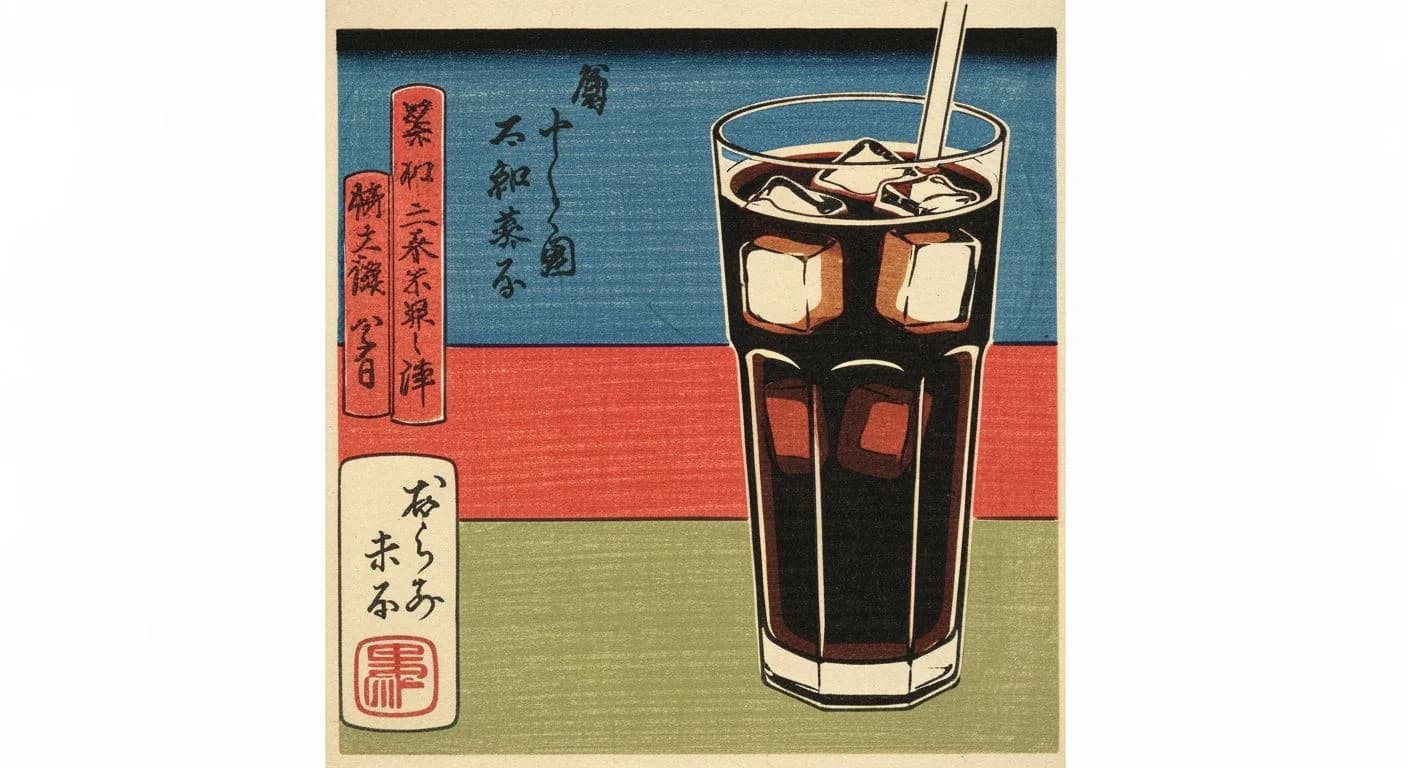
Cold Brew
Coffee steeped in cold water for 12-24 hours, then strained. Lower acidity than hot-brewed coffee, naturally sweet, served over ice. Often available on tap.
Ingredients
Coarsely ground coffee, cold water
Variations
Origins of Cold Brew
Cold brewing coffee has ancient roots. Japanese records from the 1600s describe a slow cold extraction method known as Kyoto-style drip, possibly inspired by Dutch traders who needed a way to brew coffee on long sea voyages without heat. The modern cold brew movement exploded in the 2010s when specialty coffee shops began bottling and kegging it, transforming it from a niche technique into a mainstream category.
How It Is Made
Cold brew is made by steeping coarsely ground coffee in cold or room-temperature water for 12 to 24 hours. The typical ratio is 1:5 to 1:8 coffee to water for a concentrate, or 1:12 to 1:15 for ready-to-drink strength. After steeping, the grounds are filtered out through a fine mesh or paper filter. The result is a smooth concentrate that can be diluted with water, milk, or ice.
Flavor Profile
The extended cold extraction produces a remarkably smooth, low-acid coffee with a naturally sweet character. Without heat to extract harsh bitter compounds, cold brew tastes mellow and rounded. Expect deep chocolate, caramel, and nutty flavors with virtually no sharp acidity. The body is full and syrupy when served as concentrate.
Variations and Customization
- Nitro cold brew: infused with nitrogen for a creamy, cascading pour
- Cold brew concentrate: dilute to taste with water or milk
- Japanese iced coffee: hot brewed directly over ice (different method, similar category)
- Flavored cold brew: vanilla, mocha, or seasonal spices
Best Coffee to Use
Medium to dark roast beans with chocolate, caramel, and nutty profiles excel in cold brew. The long extraction amplifies sweetness and body while muting bright acidity. Colombian, Brazilian, or Guatemalan beans are ideal. Avoid very light or fruity roasts, as the cold process can make them taste flat.
Did you know?
Cold brew contains up to 67 percent less acid than hot-brewed coffee, making it significantly easier on the stomach -- which is one reason it became so popular so quickly.
Related Drinks
Frequently Asked Questions
What is a Cold Brew?▼
How do you order a Cold Brew at a cafe?▼
Can you make a Cold Brew at home?▼
Researched and compiled by CoffeeTrove. Last updated March 2026.