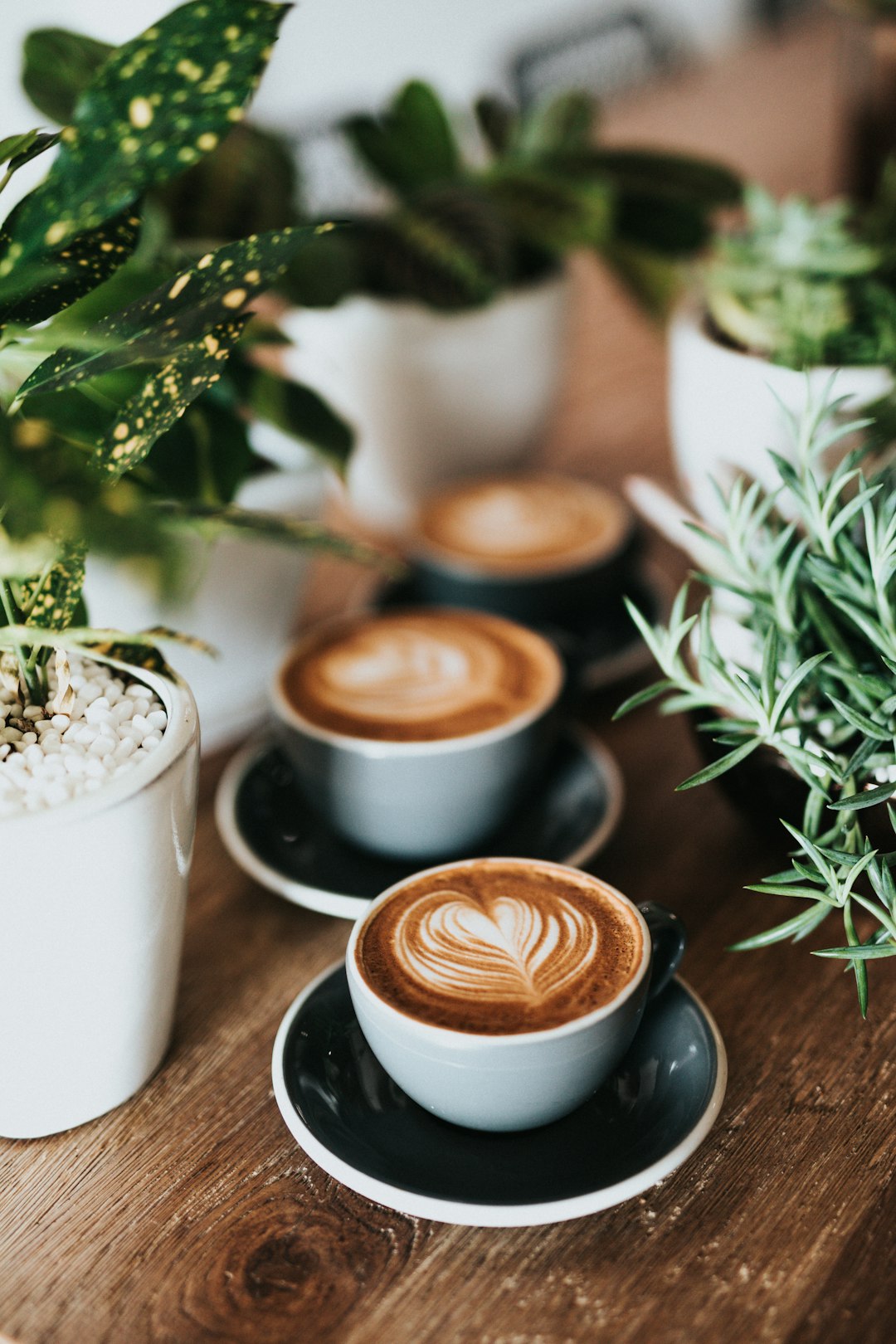
You know the moment. You walk into a cafe and the smell hits you — rich, warm, complex, promising. You order. You take the first sip. And it is good, but it is not that. Not what the smell promised.
This is not your imagination. It is not bad coffee. It is a fundamental feature of how human olfaction works, and coffee exploits it more aggressively than almost any other food.
Two Noses, One Cup
Humans have two distinct smell pathways. Orthonasal olfaction is what you think of as smelling — air enters through your nostrils, hits the olfactory receptors, and your brain constructs "coffee smell" from the molecular data. This is what happens when you walk into a cafe.
Retronasal olfaction is what happens when you drink. Volatile compounds travel from the back of your mouth up into the nasal cavity. Same molecules. Same receptors. Completely different perception.
The reason? Context. When you smell orthonasally, your brain processes the input as environmental information — "there is coffee nearby." When you taste and smell retronasally, the brain integrates the olfactory data with taste (sweet, bitter, sour, salty, umami), temperature, texture, and even the sound of your own swallowing. The aromatic signal gets diluted by competing sensory channels.
The Maillard Reaction
The roasting process is where coffee's aromatic complexity is born. The Maillard reaction — the same chemistry that browns bread, sears steak, and gives caramel its flavor — produces hundreds of new compounds when applied to green coffee beans.
Green coffee has roughly 250 identifiable aromatic compounds. After roasting, that number exceeds 800. For comparison, wine has approximately 200. Chocolate has about 600. Coffee is, by molecular count, the most aromatically complex thing most people consume daily.
Why Light Roasts Smell Different Than They Taste
This explains a common complaint about light roasts: they smell fruity and floral but taste acidic and sharp. Light roasts preserve more of the original bean's volatile compounds — the delicate aromatics that smell extraordinary but register as bright acidity on the tongue. Dark roasts trade those high notes for the deeper, roastier compounds that taste closer to what the nose promised.
Neither is wrong. They are different compromises between the orthonasal promise and the retronasal delivery.
The Practical Takeaway
If you want your coffee to taste more like it smells, two things help: drink it slightly cooler (heat suppresses flavor perception), and slurp. Slurping aerates the coffee, sending more volatiles retronasal. This is exactly what professional cuppers do — not because they lack manners, but because the technique is acoustically annoying and neurologically effective.
Learn more about how flavor works in our Interactive Flavor Wheel, or explore brewing methods that maximize aroma extraction.