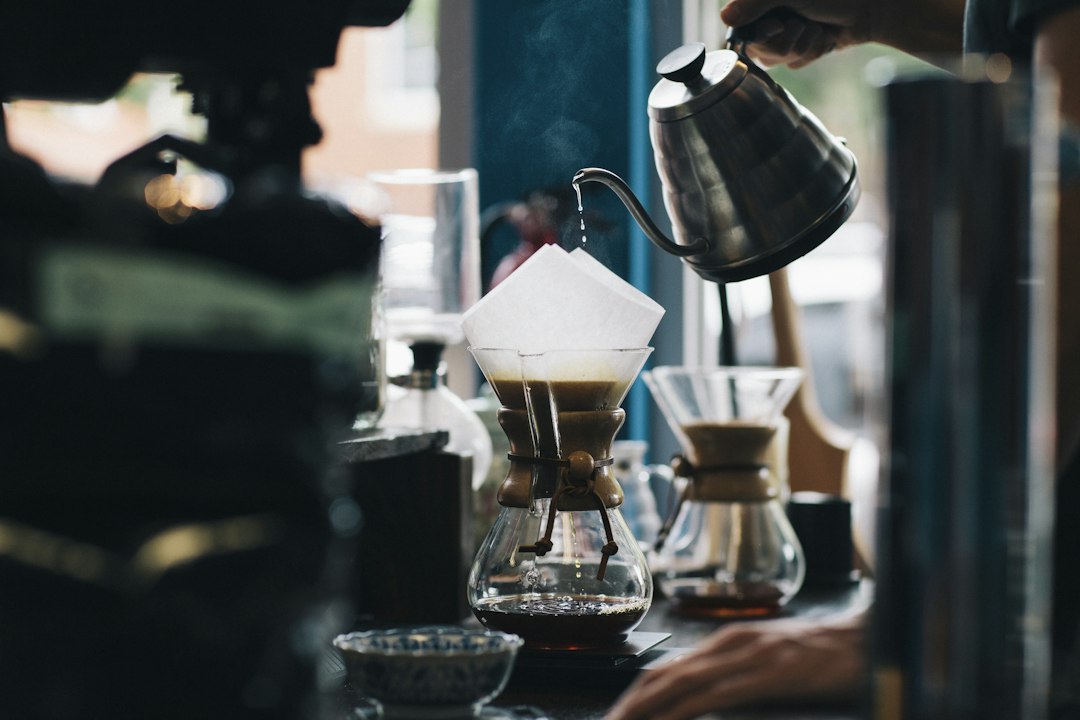
Coffee is consumed in virtually every country on Earth. It is prepared identically in almost none of them. This is the world's most global beverage seen through 12 radically different cultural lenses.
Finland: Kaffeost
Finns consume more coffee per capita than any nation — 12 kg per person per year. In Lapland, they take it further: kaffeost is hot coffee poured over cubes of leipajuusto (bread cheese). The cheese softens but does not melt, absorbing coffee while releasing a mild, squeaky richness. It sounds wrong. Finns would argue you have not tried it.
Vietnam: Egg Coffee
Ca phe trung was invented in 1940s Hanoi when milk was scarce. A bartender named Nguyen Van Giang whisked egg yolk with sweetened condensed milk and poured it over strong Vietnamese drip coffee. The result is closer to a dessert than a drink — thick, sweet, custard-like — and it has become a symbol of Vietnamese coffee culture. The original cafe, Giang, still operates on Nguyen Huu Huan street.
Ethiopia: The Ceremony
In the country where coffee originated, drinking it is a three-round ceremony that can last over an hour. Green beans are roasted in a pan over charcoal, ground by mortar and pestle, and brewed in a clay pot called a jebena. Three rounds — abol, tona, baraka — are served to guests. Declining is considered rude. The ceremony is social infrastructure, not caffeine delivery.
Italy: The Unwritten Rules
Cappuccino after 11 AM is a cultural violation. Espresso is consumed standing at the bar, never sitting (sitting costs extra in many Roman cafes). Milk in coffee after a meal is considered digestively suspicious. The rules are nowhere written and universally enforced.
Turkey: Fortune Telling
Turkish coffee is brewed unfiltered in a cezve with finely ground beans and often sugar. After drinking, the cup is inverted onto the saucer. The grounds that remain are read as fortune — a practice called tasseography that has persisted for over 500 years.
Mexico: Cafe de Olla
Brewed in a clay pot with piloncillo (unrefined cane sugar) and cinnamon. The clay pot is not decorative — it imparts a subtle mineral flavor that metal and glass cannot replicate. It is working-class coffee with more complexity than most specialty pour-overs.
Japan: The Kissaten
Japanese pour-over culture predates the Western third wave by decades. The kissaten — traditional coffee house — serves single cups prepared with nel drip or siphon, in complete silence. No laptops. No conversation. Coffee as meditation.
Sweden: Fika
Fika is not a coffee break. It is a cultural institution — a mandatory pause in the day for coffee and pastry, observed in every Swedish workplace. The word literally means "to have coffee," but the practice is about structured social time. Sweden consumes 8.2 kg of coffee per capita annually, second only to Finland.
Colombia: Tinto
Despite being one of the world's largest coffee exporters, Colombia exports its best beans and drinks tinto — weak, sweet, often instant coffee sold for pennies on street corners. The irony is sharp: the country that supplies specialty coffee to the world drinks commodity grade at home.
Morocco: Nous Nous
Half coffee, half steamed milk — the name literally means "half half." Served in a glass, not a cup, at sidewalk cafes where sitting is the entire point. It is the Moroccan version of a latte, predating the word "latte" in common English by several decades.
Cuba: Cafecito
Cuban espresso is brewed with demerara sugar whipped directly into the first drops of the shot, creating a thick, sweet foam called espumita. The technique produces something entirely different from adding sugar after brewing — the sugar caramelizes slightly from the heat, and the texture becomes creamy without any milk.
Australia: The Flat White
Australians and New Zealanders both claim to have invented the flat white. The dispute is unresolvable and both sides care deeply. What matters is the drink: a double ristretto with microfoam so fine it integrates completely with the espresso. No foam art dome. No dry cappuccino texture. Just silk. Australia's coffee culture is arguably the most quality-obsessed in the English-speaking world.
Explore coffee origins and drink recipes from around the world, or find cafes serving these traditions on the Coffee Map.