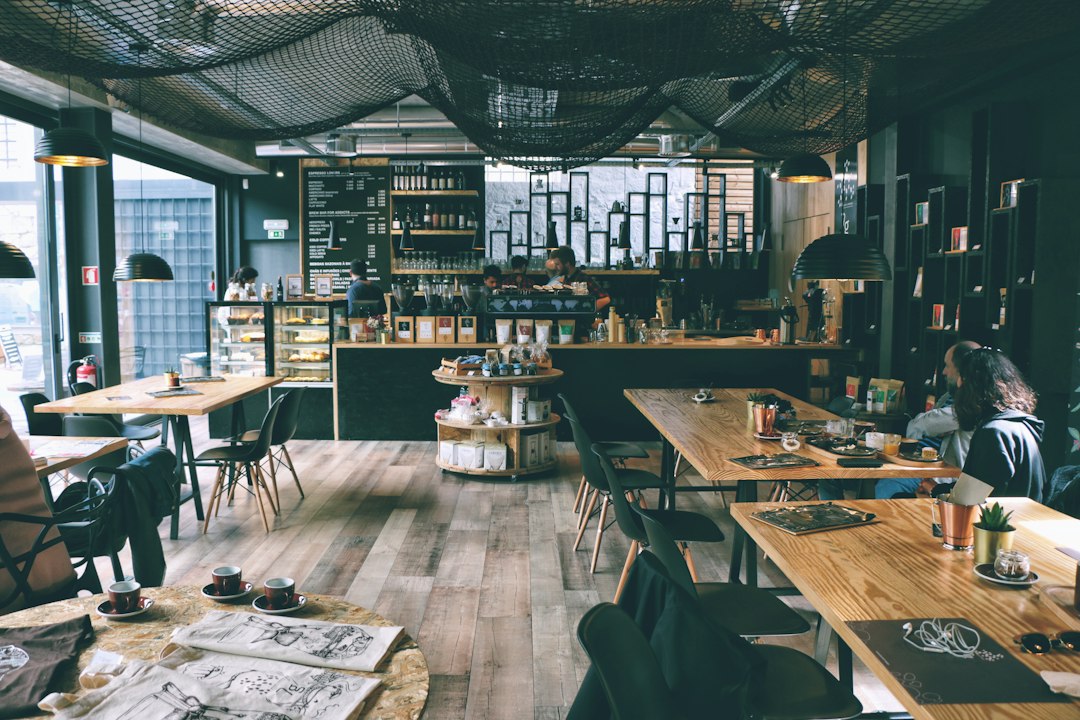
In 1989, sociologist Ray Oldenburg published The Great Good Place and introduced a concept that would become more relevant with every passing decade: the Third Place. Not home (first place). Not work (second place). The cafe, the barbershop, the pub — the places where community happens without agenda.
Thirty-seven years later, with remote work isolating millions and loneliness classified as a public health epidemic, the Third Place is not a sociological curiosity. It is a survival mechanism.
The Loneliness Economy
The U.S. Surgeon General declared loneliness an epidemic in 2023. The health impact of chronic isolation is equivalent to smoking 15 cigarettes a day. Japan has a Minister of Loneliness. The UK has invested over 30 million pounds in social prescribing programs that literally prescribe community interaction.
And yet: 440,000 coffee shops exist worldwide. People are spending money they do not have on drinks they could make at home, in rooms full of strangers they will never speak to. The rational explanation fails. The psychological one does not.
Ambient Sociality
Psychologists call it ambient sociality — the passive benefit of being around other humans without direct interaction. You do not need to talk to anyone in a cafe. You do not need to know anyone. The mere presence of other people, the sounds of conversation, the barista who remembers your order — these create a neurological environment that your apartment, no matter how well-decorated, cannot replicate.
Studies from the University of British Columbia found that even brief interactions with strangers — the kind you have when ordering coffee — produce measurable increases in positive affect. Not happiness exactly. More like the absence of the low-grade existential dread that comes from spending eight hours alone with a laptop.
Why Independents Win This Game
Chain cafes optimize for throughput. Independent cafes optimize for stay. This is not a value judgment — it is a design difference that produces radically different psychological outcomes.
The top-rated independent cafes in our database share patterns that chains rarely replicate: mismatched furniture (signals informality, reduces status anxiety), visible barista workspace (creates a sense of craft and human presence), and acoustic design that allows conversation without shouting.
Our data shows that independent cafes consistently score higher than chains across every metric we track. Part of that is coffee quality. But a larger part, we suspect, is that independents accidentally got the Third Place right.
The $6 Question
The complaint that coffee is overpriced misunderstands the transaction. Nobody pays $6 for hot water filtered through beans. They pay $6 for permission to sit in a room designed for lingering, surrounded by strangers who normalize their presence, in an environment that provides just enough stimulation to make the brain stop eating itself.
That is not overpriced. That is underpriced.
Explore independent cafes near you on the Coffee Map, or read about the origins of the beans that make it all possible.