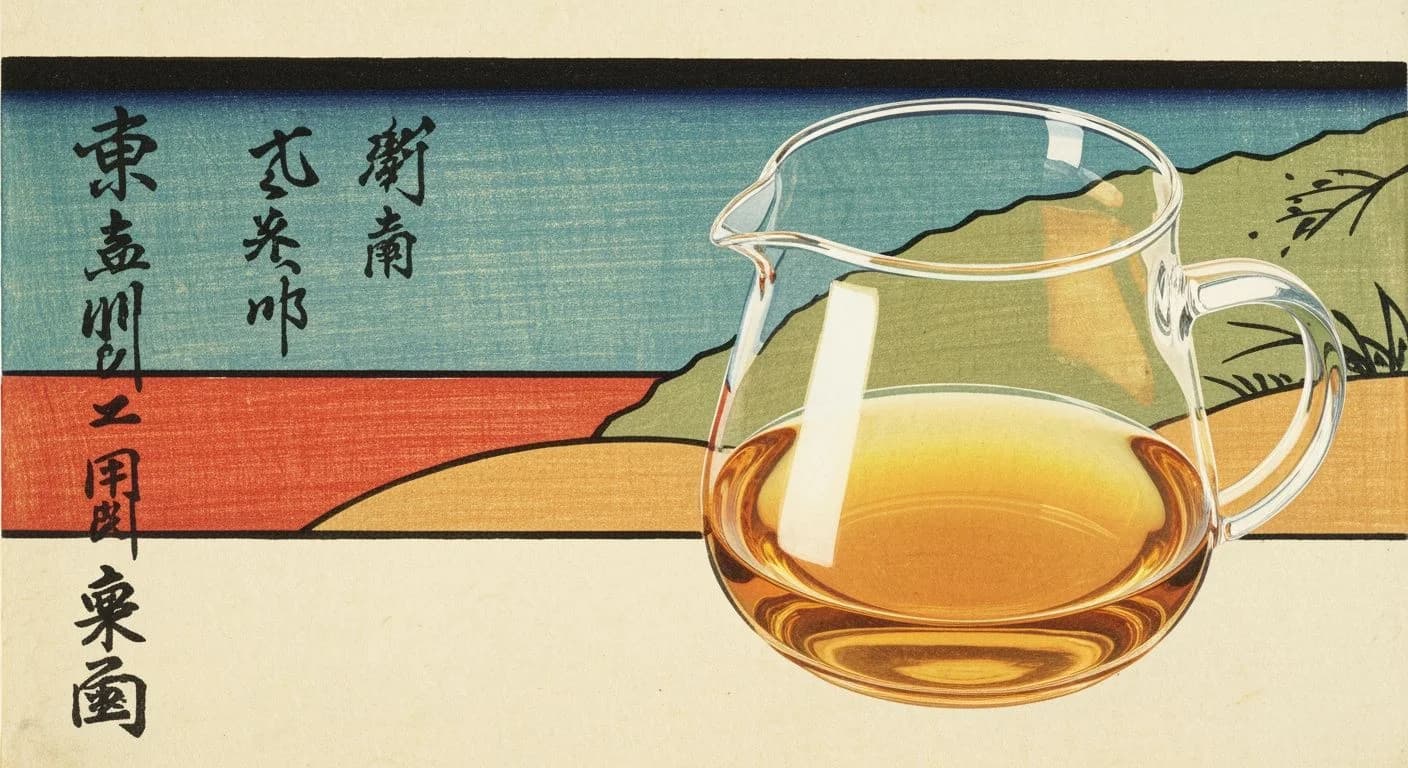
Pour Over
Single-cup filter coffee brewed by hand. The barista controls every variable: grind, water temperature, pour rate. At its best, pour-over reveals a coffee's terroir.
Ingredients
Medium-ground coffee, hot water
Variations
History of Pour Over
Pour-over brewing dates back to 1908 when Melitta Bentz, a German housewife, invented the paper coffee filter by punching holes in a brass pot and lining it with blotting paper from her son"s school notebook. This simple innovation removed sediment and bitterness, producing a cleaner cup than any method before it. Japanese coffee culture refined pour-over into an art form throughout the 20th century, and the third-wave coffee movement of the 2000s elevated it to the preferred method for showcasing single-origin beans.
How It Is Made
Pour-over involves placing a paper or cloth filter in a dripper (V60, Kalita Wave, Chemex, or similar), adding medium-fine ground coffee, and slowly pouring hot water (90-96 degrees Celsius) in controlled, circular motions. The process begins with a "bloom" -- wetting the grounds with twice their weight in water and waiting 30-45 seconds for CO2 to release. Total brew time is typically 3-4 minutes for a single cup, with a coffee-to-water ratio of 1:15 to 1:17.
Flavor Profile
Pour-over produces the cleanest, most transparent cup of coffee. The paper filter removes oils and fine particles, resulting in a bright, clear brew that highlights origin character. Expect pronounced acidity, delicate floral and fruity notes, and a light to medium body. Every nuance of the bean -- terroir, variety, processing -- is on full display. It is the method of choice for specialty coffee tasting and evaluation.
Variations and Customization
- V60: conical dripper, fast flow, bright and complex
- Kalita Wave: flat-bottom, more forgiving, balanced and consistent
- Chemex: thick filters, very clean, tea-like body
- Nel drip: cloth filter, richer body, Japanese specialty
- Iced pour-over: brew directly over ice (Japanese method)
Best Coffee to Use
Pour-over is the ultimate showcase for high-quality, light to medium roast single-origin beans. Coffees with complex flavor profiles -- Ethiopian naturals with berry notes, Kenyan AA with citrus brightness, or Panamanian Gesha with jasmine florals -- reveal their full character through this method. Freshness is essential: use beans 7-21 days from roast.
Did you know?
Melitta Bentz invented the paper coffee filter in 1908 using a sheet of blotting paper from her son"s school exercise book -- a kitchen experiment that launched a company still thriving over a century later.
Related Drinks
Frequently Asked Questions
What is a Pour Over?▼
How do you order a Pour Over at a cafe?▼
Can you make a Pour Over at home?▼
Researched and compiled by CoffeeTrove. Last updated March 2026.