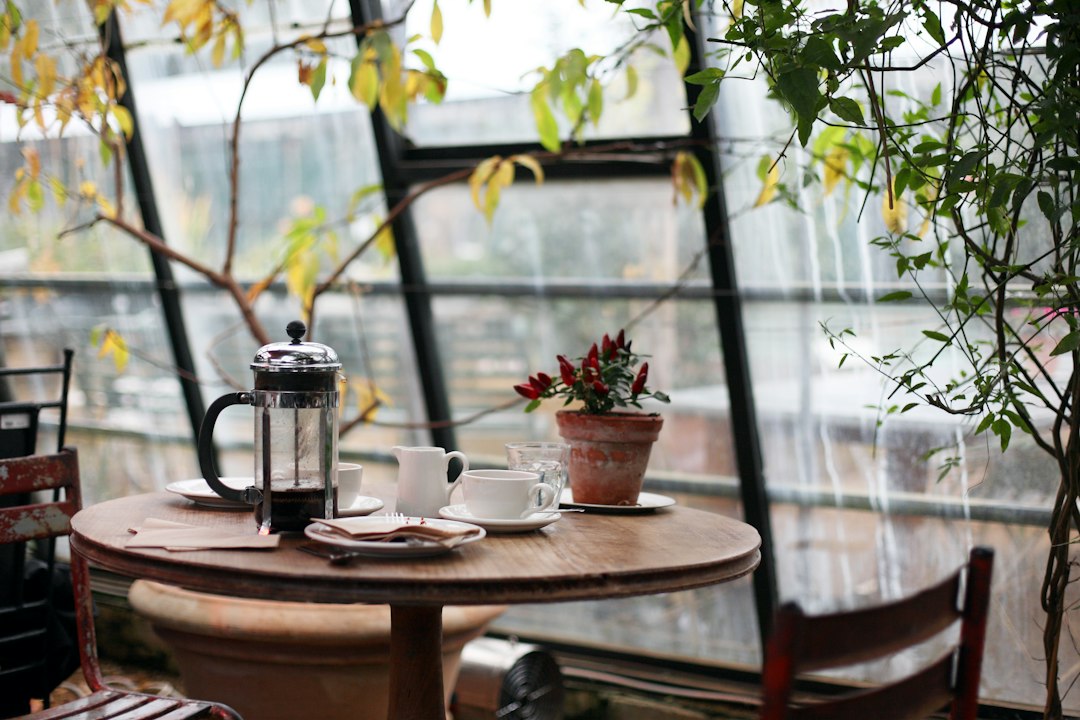
The bica is Lisbon's default state. A short, punchy espresso pulled from a lever machine, served in a ceramic cup no larger than an egg cup, consumed standing at the counter in under two minutes. It costs 70 cents. It has cost 70 cents for what feels like decades. It is not specialty coffee. It is something older and, in its own way, more honest.
Portugal consumes more coffee per capita than Italy. This fact surprises people who associate Portuguese culture with pasteis de nata and fado, not caffeine. But the bica is as Portuguese as anything else: practical, unpretentious, daily.
The Old Guard
Traditional Lisbon cafes — pastelarias — operate on a model unchanged since the 1960s. Pre-ground commercial coffee (usually Nicola, Sical, or Delta — Portuguese brands that dominate the domestic market). A lever or semi-automatic machine maintained by a technician who visits monthly. No latte art. No single origin. No conversation about processing methods.
And yet: the coffee is often better than it has any right to be. Portuguese roasters understand dark roast in a way that American third-wave drinkers dismiss as primitive but that Italian and Portuguese palates experience as depth. The bica is not complex. It is concentrated. There is a difference.
The New Wave
Copenhagen Coffee Lab opened in Lisbon's Santos neighborhood in 2014 and cracked something open. Danish-Portuguese ownership. Nordic light roast philosophy. Lisbon's first real exposure to the idea that coffee could taste like blueberries instead of charcoal.
What followed was not a replacement of the old guard but a parallel track. Fabrica Coffee Roasters in Chiado. Dear Breakfast in Principe Real. Comoba in the Intendente neighborhood. These cafes do not compete with the pastelaria on the corner. They serve a different audience — younger, more international, willing to pay 3 euros for a pour-over instead of 70 cents for a bica.
The Tension That Makes It Interesting
What makes Lisbon's coffee scene genuinely interesting is that both worlds coexist within walking distance. You can have a 70-cent bica at a counter with a man who has been drinking the same coffee in the same spot for 30 years, then walk 200 meters and order a $4 Ethiopian natural processed V60 from a barista with a man bun and strong opinions about water temperature.
Neither is wrong. The bica is not "bad coffee" that needs fixing. The third-wave shop is not pretentious for existing. Lisbon is working out a coffee identity that accommodates both, and the result is more nuanced than what you find in cities that went all-in on one direction.
Explore the Lisbon cafe scene on our Coffee Map, or compare espresso methods from around the world.